You want a nature escape, but every time you sit down to plan, the same question stops you: glamping vs camping — which one actually fits the trip you have in mind? One option promises crackling campfires, a sleeping bag and the satisfaction of doing it all yourself. The other offers a proper bed, warm lighting and waking up in a safari tent or yurt without having pitched a single pole. Both get you outdoors, but the experience, the packing list and the bill at the end are very different.
This guide breaks the decision down so you can stop second-guessing and start booking. We’ll compare the two styles side by side, look at what each really costs — from a starter camping kit to nightly glamping rates — and get honest about comfort and what you’ll actually pack. We’ll also cover where each style shines, when to book, and finish with a simple way to choose the right setup for your next night under the stars.
Glamping vs Camping: The Core Differences at a Glance
At its heart, the difference comes down to who does the work. Traditional camping means you bring everything yourself: your shelter, your sleeping setup and your cooking equipment. You pitch the tent, inflate the pads, set up the stove and figure out dinner before dark. That effort is part of the appeal for many campers, but it’s also the part that intimidates first-timers.
What glamping actually is
Glamping flips the equation. Instead of arriving with gear, you arrive at a pre-built structure — a safari tent, yurt, dome or treehouse — that’s already standing, furnished and weather-ready. Real beds with proper mattresses, solid flooring, lighting and often private bathrooms come standard. Some sites go further with kitchen facilities or meals, though the core idea is simple: the operator handles the infrastructure, you handle the relaxing.
That distinction shapes who each style suits. Camping rewards self-sufficient travelers — people who enjoy problem-solving, don’t mind roughing it and take satisfaction in a camp they built themselves. Glamping suits travelers who want the nature experience without the logistics: the forest at your doorstep, the stars overhead, but a real bed and a hot shower at the end of the day.
Neither approach is better in absolute terms. Think of camping as the DIY version of sleeping outdoors and glamping as the fully serviced version — same setting, very different division of labor.
Cost Comparison: Nightly Rates and Upfront Gear
On a per-night basis, camping looks like the clear winner. Campsite fees generally range from $15–$60 per night, depending on whether you’re booking a basic national forest site or a developed campground with showers and hookups. Glamping, by contrast, typically runs $100–$500 per night, and you’re renting the experience rather than building it.
The catch is the upfront cost. A starter camping kit costs roughly $200–$600, covering the basics a first-timer needs to spend a night outside. Spread that across several trips and the math starts tilting fast. After roughly 3–5 trips, camping usually comes out cheaper than it would have cost to book the same number of glamping nights. Glamping, meanwhile, stays price-stable: every night costs roughly the same, whether it’s your first stay or your fifteenth.
Where your money goes looks very different between the two styles:
- Tent quality matters long-term. A well-made tent can last a decade or more, so money spent here often outlives several seasons of cheaper gear replacements.
- Glamping rates climb with perks. A simple safari tent sits at the low end of the range, while a dome with a private bathroom or catering pushes toward the top.
- Hidden campground extras add up. Firewood, ice and shower tokens are common add-on purchases that rarely appear in the listed nightly rate.
- Gear can be borrowed or rented first. Many outdoor retailers and university programs rent tents and sleeping bags, letting you test camping before committing the full $200–$600.
Comfort, Amenities and What You Actually Pack
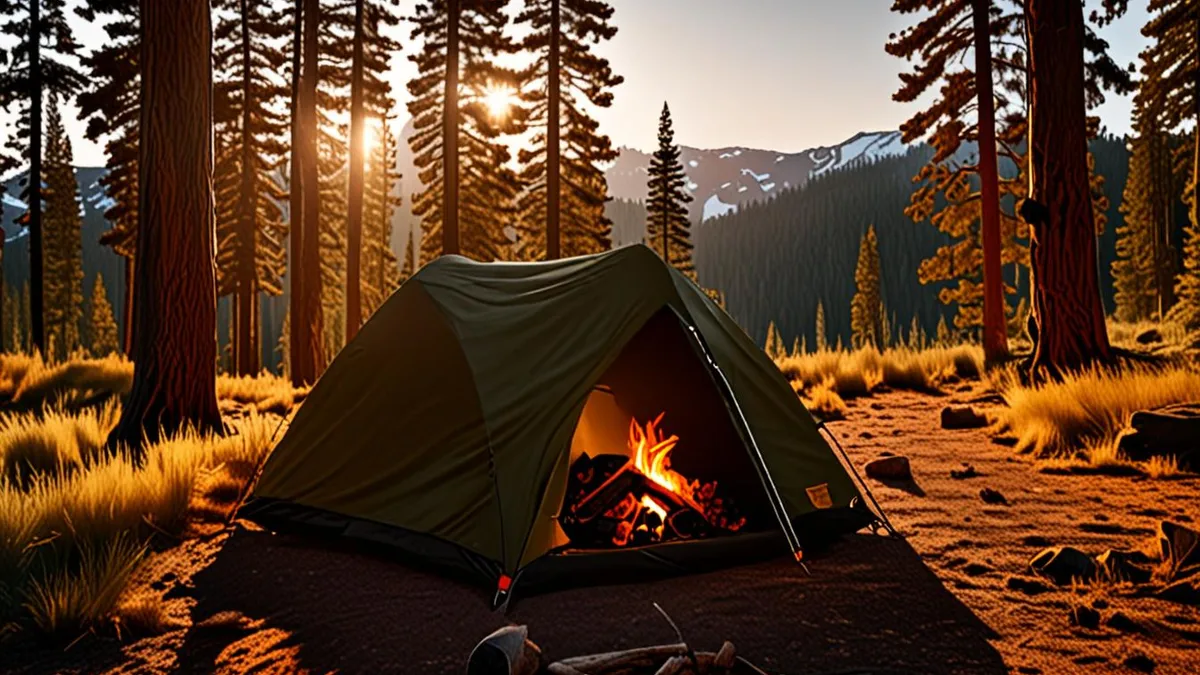
The biggest practical difference between the two styles shows up in your trunk before you leave home. Traditional camping is a gear-heavy undertaking: you need a tent, sleeping bags, sleeping pads, a camp stove, a cooler, headlamps and some way to treat water, such as a filtration system or purification tablets. Add a lantern, matches, a first-aid kit and a few pots, and your vehicle fills up fast. That starter kit is a real investment, though once you own it, the gear lasts for years of trips.
Glamping flips the packing list on its head. Bedding, lighting, kitchenware and cooking equipment are already provided in your safari tent, yurt or dome, so your bag shrinks to the essentials: clothing, toiletries and food. Some sites even supply coffee, basic pantry items or a grill ready to light. If you have ever spent an hour hunting for the tent poles at dusk, the appeal is obvious — you arrive, unpack a duffel bag and start enjoying the outdoors.
The comfort gap goes beyond the bed
Many glamping properties push well past the basics. Wood-fired hot tubs, en-suite bathrooms with hot showers, and chef-prepared meals are increasingly common at established lodges. You might spend the afternoon hiking, then soak in a steaming tub under the stars and sit down to a dinner you did not cook on a single-burner stove. That level of service changes the character of the trip: less time on logistics, more time actually relaxing.
Camping offers its own rewards, of course. There is real satisfaction in cooking a meal you built from scratch, and a well-organized camp kitchen can turn out surprisingly good food. But be honest with yourself about what you enjoy. If setting up camp feels like part of the adventure, pack the tent. If it feels like a chore standing between you and your evening by the fire, let someone else handle the setup and pack light instead.
Where Each Style Shines: Destinations and Settings
The setting often decides the style for you. Glamping operators tend to build in places where a flimsy pop-up tent simply won’t cut it — think rainforest refuges with raised walkways, alpine retreats perched on mountainsides, and Arctic domes with insulated panels and clear ceilings for watching the northern lights. In these spots, the structure itself is engineered for the climate, so you stay warm, dry and comfortable no matter what the weather does outside.
Traditional camping, on the other hand, shines in the classics: national parks, lakesides and backcountry routes where you carry your gear in on your back. If a site is reachable by car and the weather is reasonably predictable, a tent gives you flexibility and a genuine sense of self-sufficiency that’s hard to beat.
Matching the style to the terrain
A simple rule of thumb works well here. Remote destinations and extreme climates favour glamping, because the operator has already solved the hard problems — heating, waterproofing, waste and water supply. Accessible drive-in campgrounds favour tents, because you can haul as much gear as your trunk can hold and pay a fraction of the price for the same view.
Ask yourself how far you’re willing to go for the location. If the answer is “very far, and I want to be warm when I get there,” glamping is the safer bet. If the answer is “anywhere the road ends,” pack the tent.
Seasonality and Booking Windows
Timing matters just as much as destination. For both styles, peak season runs June–August in the Northern Hemisphere, when schools are out and the weather is at its most reliable. That popularity comes with a catch: the best sites and lodges disappear months in advance, not weeks. If you’re dreaming of a lakefront pitch or a treetop suite for July, waiting until spring to book is usually too late.
Glamping lodges often require booking 2–6 months ahead for summer dates, since most properties only have a handful of units. Popular campgrounds typically open reservations 6 months out, and the most sought-after spots — lakefront, riverside, near famous trailheads — can be claimed within minutes of the booking window opening. Seasoned campers treat reservation day like a ticket sale: accounts created, payment card saved and the exact page bookmarked before the clock strikes.
- Set a calendar reminder for the exact release date. If your target campground opens reservations 6 months out, logging in the day reservations go live gives you a realistic shot at the best sites.
- Have a backup property and a backup campground. Glamping units are limited in number, so identifying two or three alternatives saves you from scrambling when your first choice is full.
- Check cancellation policies before committing. Some glamping lodges hold payment upfront with strict refund windows, which matters if your plans might shift.
- Watch for midweek openings. A canceled booking at a popular site often reappears midweek, when fewer people are searching. Following a campground’s social media page or joining a notification service can help you pounce quickly.
If your schedule allows flexibility, aim for the shoulder months of May–June and September–October. You’ll typically find milder prices and thinner crowds at both campgrounds and glamping properties, and the weather is often pleasant enough for hiking, paddling and campfires. Flexible travelers who can shift a trip by a week or two frequently end up paying less for better sites than those locked into peak-season dates.
How to Choose the Right Style for Your Trip
Choosing between glamping and camping gets much easier once you stop asking which style is “better” and start asking which one fits your group, your budget and your energy level. A few honest questions about how you like to spend a night outdoors will usually point you in the right direction. Think about the last trip you took: did you come home energized by the challenge, or relieved it was over? Your answer says a lot about which style will suit you.
- Be honest about your cooking and weather tolerance. If you genuinely enjoy cooking outdoors and can shrug off a rainy morning or a chilly night, camping rewards you with the lowest per-night cost and full control over your setup. If a wet tent or a cold breakfast would sour the whole trip, that’s a clear signal to lean toward a pre-built structure instead.
- Consider who’s coming along. If you’re traveling with kids, marking a special occasion, or simply short on planning time, glamping removes the logistics — real beds, ready-made shelter and often meals — so the trip starts relaxing the moment you arrive. First-timers and mixed groups of campers and non-campers often find this middle ground keeps everyone happy.
- Match the style to the trip length. A weekend is the perfect low-risk test run for camping: short enough that a bad night’s sleep won’t ruin the trip. For longer stays, the added comfort of glamping tends to pay off, since sleeping well night after night keeps everyone in good spirits and makes it easier to fill your days with hiking or exploring rather than recovering.
Whichever direction you lean, try the other style at some point. Plenty of dedicated campers discover they love a yurt on a rainy anniversary, and plenty of first-time glampers get hooked on the simplicity of a tent and a camp stove. The goal is the same either way: a memorable night outdoors, on your own terms.
Finding Your Perfect Night Under the Stars
So, which style suits your next trip? If you crave the satisfaction of building your own campfire and don’t mind a little dirt under your nails, camping rewards you with the lowest nightly cost and a real sense of self-reliance. If you’d rather trade effort for ease, glamping hands you a ready-made bed in a stunning setting the moment you arrive.
Ultimately, the decision comes down to how much comfort you need versus how much adventure you want to create yourself. Summer trips to either style demand early planning, while the shoulder seasons of May–June and September–October reward flexible travelers with better prices and quieter sites. Whichever way you lean, both paths end in the same place: a night under the stars. Which one sounds like you? Share your pick in the comments or pass this article along to a travel buddy.