Choosing between a family safari lodge and an adults-only camp can make or break your first safari, so how do you know which fits your group? Family safari lodges are built around children, with dedicated tents, kids’ ranger programs and shorter game drives, while adults-only camps trade all of that for longer drives, quieter evenings and a more exclusive feel. Pick the wrong one and you could end up with bored kids on a four-hour drive, or a honeymoon couple sharing a sundowner spot with a school holiday crowd.
This guide walks you through both options side by side. We cover what each stay type offers, how much you can expect to pay, the age limits and child policies worth checking before you book, the best travel windows and how far ahead to reserve. By the end, you should be able to match the right style of camp to your group’s ages, budget and travel dates with confidence.
What Family Safari Lodges Offer
Family safari lodges are designed from the ground up with children in mind, and it shows in the accommodation first. Family tents typically offer multiple bedrooms, sometimes with interleading rooms, so parents get privacy while staying close enough to hear a child in the night. Many also add extra beds or cots without turning the tent into an obstacle course, and layouts tend to be child-safe, with secure verandas, fenced walkways at some lodges and fewer of the open drop-offs you might find at a romantic cliffside camp. If you are traveling with a toddler or a nervous first-time safari-goer, that sense of enclosure matters more than any view.
The real difference shows up in the daily rhythm. Drives are shorter, mealtimes bend to your family rather than the other way round, and staff actively keep children engaged between activities, which means fewer bored meltdowns back at the tent. Here’s what that usually looks like in practice:
- Kids’ ranger programs that teach children how to track animals by spoor, identify birds and master basic bush crafts like casting animal tracks in plaster.
- Junior guide badges and certificates awarded at the end of a stay, giving kids a goal to work toward and a souvenir that beats a stuffed toy.
- Game drives capped at around 2–3 hours, timed around younger children’s attention spans rather than the movement of a single leopard.
- Children’s menus and flexible meal times, so a picky eater can have pasta at 6 pm instead of facing a five-course fine-dining menu at 8 pm.
What Adults-Only Camps Do Better
Adults-only camps exist precisely because some travelers want the opposite of everything a family lodge provides. Game drives run their full 3–4 hours, guided by experts who can follow a leopard or a lion pride for as long as the sighting stays productive, with no need to cut things short because a younger guest has lost interest. That patience often pays off in better sightings, richer storytelling and the kind of unhurried tracking that turns a good safari into a memorable one.
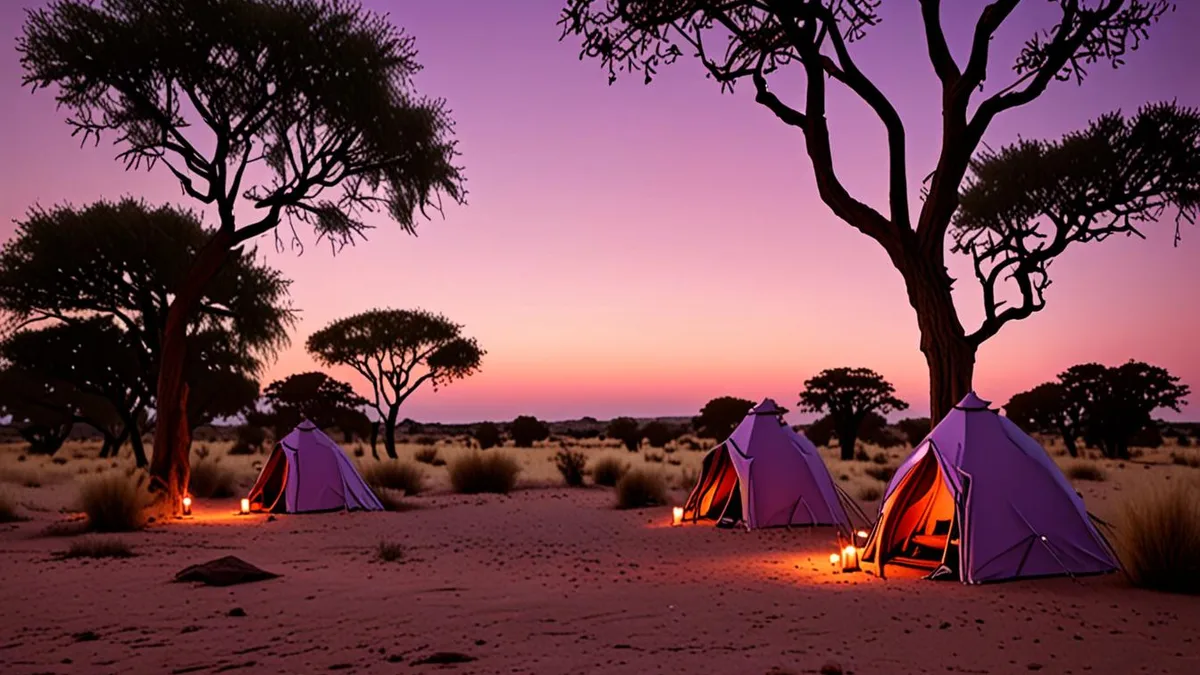
The evenings are built for couples rather than families. Think sundowners in silence, bush dinners lit by lanterns and, at some camps, star-bed sleepouts where you drift off under the Milky Way. Camps are usually small tented affairs with roughly 6–10 suites, which keeps noise down and makes the whole stay feel more exclusive. What to expect:
- Photography-oriented drives scheduled at dawn and dusk, positioned for the best light rather than the most convenient timing for a family schedule.
- A higher guide-to-guest focus, with small vehicle counts and guides who tailor each drive to the interests of the adults on board.
- Shared spaces designed for conversation and relaxation, with no kids’ club, no children’s menu and no splashing in the plunge pool at breakfast.
Because these camps cater to a quieter crowd, the atmosphere tends to be more personal too. Guides often dine with guests, sharing stories around the fire, and staff remember your preferences from the first night. If your priority is depth over schedule and stillness over activity, this format delivers it well.
How Much Each Option Costs
Costs differ clearly between the two stay types. Family safari lodges typically run $400–$900 per person per night in high season, while adults-only camps sit higher at usually $600–$1,200 per person per night. The gap reflects the smaller suite counts, longer drives and more exclusive settings that adults-only camps offer.
How families soften the bill
Two factors can bring a family lodge total down. First, family tents often price children at 50–70% of the adult rate, which softens the bill considerably for a family of four. Second, if you skip the private vehicle and join shared drives, you avoid the biggest optional extra.
That said, private vehicle hire at family lodges adds roughly $300–$500 per day if you want flexible drives that suit your children’s nap times and attention spans. Many families find it worth it, especially with younger kids, but it’s an add-on you should budget for from the start rather than discover at booking. Rates shift by season and camp, so always confirm current pricing with your operator before committing.
Age Limits and Child Policies to Check Before Booking
Age rules are the single most common booking mistake families make. Many family safari lodges welcome children from age 6 and up, but that doesn’t automatically mean a six-year-old can hop on a shared game drive. Some lodges only allow kids on shared drives from age 8, so a family with a seven-year-old may find the youngest child can’t join the morning vehicle with everyone else.
Adults-only minimum ages
Adults-only camps commonly set a minimum age of 16 or 18, and the cutoff varies not just between camps but sometimes between room types at the same camp. If your group includes a 15-year-old or a couple traveling with an older teenager, verify the exact policy with the camp or your safari operator before you commit a deposit. Don’t assume “family-friendly” marketing applies to every tent.
The good news is that many lodges offer a workaround for children under the shared-drive age: a shorter private drive in a vehicle booked just for your family. Ask specifically whether under-age kids can join these private excursions, how long they run, and whether there’s any extra cost. Getting these answers in writing before booking saves awkward conversations at the camp gate.
When to Travel and How Far Ahead to Book
Timing shapes both your wildlife experience and your wallet, often more than any other planning decision. The East African dry season runs from June to October and is widely considered the best window for game viewing: vegetation thins out, animals gather at remaining water sources, and sightings are easier to spot in the open, golden grasslands. Days tend to be sunny and nights pleasantly cool, which makes early morning game drives far more comfortable. The trade-off is popularity. This is when everyone else wants to travel too, which is why booking lead times matter so much here.
The green season, from November to March, trades some predictability for value. Rates drop, camps are quieter, and you’ll typically share sightings with fewer vehicles. Rain usually arrives in short afternoon bursts rather than all-day downpours, though some roads can turn muddy and a few camps close temporarily. Many travelers find the lush landscapes, dramatic skies and newborn animals more than make up for the occasional soggy drive.
- Family tents are limited in number at most lodges, so for June–October travel aim to book 9–12 months ahead or you may be forced into connecting rooms that don’t suit younger children.
- Adults-only camps tend to release their space slightly later in the booking cycle, giving couples a little more flexibility.
- Even so, peak-season suites at adults-only camps still sell out 6–9 months out, especially the most private or best-located units.
- If your dates are fixed around school holidays, book at the earliest possible moment — those weeks disappear first at both stay types.
Whichever season you choose, confirm current rates and availability directly with camps or operators, as pricing shifts year to year. A good safari operator can also flag which camps stay open in the green season, since a handful close for renovations or wildlife movement. Ask about road conditions for your specific reserve, as some areas handle the rains better than others. With a little flexibility on dates, you can often secure the same tent for noticeably less money simply by shifting your trip a few weeks either side of the peak.
Choosing Between Family Safari Lodges and Adults-Only Camps
The right choice comes down to who’s traveling. If you have children under 12, a family lodge with a kids’ ranger program is the clear pick. Younger children simply can’t sit through a full-length drive, and a lodge built around family tents, shorter excursions and flexible mealtimes removes most of the friction from the trip.
Couples and honeymooners
Honeymooners and couples generally get far more from an adults-only camp. The longer dawn and dusk drives, sundowners without background noise, and a camp full of like-minded guests create the romantic safari atmosphere most couples are after. If your idea of a perfect evening is a quiet bush dinner under the stars rather than a kids’ disco, the adults-only option will suit you better.
Multigenerational groups — grandparents, parents and children together — face a trickier decision. Look for lodges that offer both family tents and private vehicle hire, so the grandparents can enjoy a long morning drive while the youngest grandchildren take a shorter outing later. A private vehicle also lets your whole group stay together when that matters more than optimizing each drive.
Budget-conscious first-timers have flexibility either way. Targeting green-season rates can bring both family lodges and adults-only camps within reach, and the lower crowds at sightings are a genuine bonus for a first safari. Decide on your group’s ages first, your travel window second, and let the budget follow from there.
The Bottom Line
So, which one suits your group? Traveling with children points firmly toward family safari lodges, where kids’ ranger programs, multi-bedroom family tents and shorter drives keep younger guests engaged. Couples and honeymooners, on the other hand, tend to get more out of adults-only camps: full-length game drives, quieter evenings and a smaller, more intimate setting. Adults-only camps also sit at the top of the price scale, so weigh that against the experience you want.
Match your group’s ages, budget and travel window first, then book 9–12 months ahead if you want the June–October dry season. Get that pairing right and your first safari will feel effortless rather than like a gamble. If this helped you decide, leave a comment or share the article with someone planning their own trip.