The Maldives has two resort styles that sound almost interchangeable in a brochure but feel completely different once you arrive. Choosing between a beach resort vs island resort comes down to privacy, logistics and how far your budget stretches beyond the nightly rate. One puts you on a lively, amenity-packed island a short speedboat ride from the airport; the other buys you an entire private island, often hours away by seaplane.
This guide breaks down what each type actually delivers, why transfers and arrival times so often decide the choice for you, and how seasons and prices shift between them. You’ll also find budgeting tips that go past the room rate, plus a matching section for families, couples, divers and mixed groups, so you can book the style that fits your trip rather than the prettiest photo.
What a Maldives Beach Resort Actually Offers
Maldives beach resorts occupy larger islands, and it shows the moment you step off the boat. Many of these properties exceed 150 rooms and are built for variety: multiple restaurants, several pools, a big spa, water sports centers and dedicated kids’ clubs. If you like having options each day, this is the format that delivers them.
Getting there is refreshingly simple
Most beach resort islands sit within a 30-45 minute speedboat ride of Malé, which means no seaplane schedules constraining your arrival time. Land at any reasonable hour and you can usually be on the beach the same day. That flexibility matters more than most first-time visitors expect.
What you give up
The trade-off is space. Expect more shared facilities, busier stretches of sand and neighbors closer to your sun lounger than you’d find on a small private island. Dining options may be plentiful but sometimes feel more like a resort buffet scene than an intimate meal. Entry prices are friendlier, though, with stays typically starting around $300-600 per night. For families, first-timers and travelers watching their budget, that combination of variety and value is hard to beat.
What a Private Island Resort Delivers
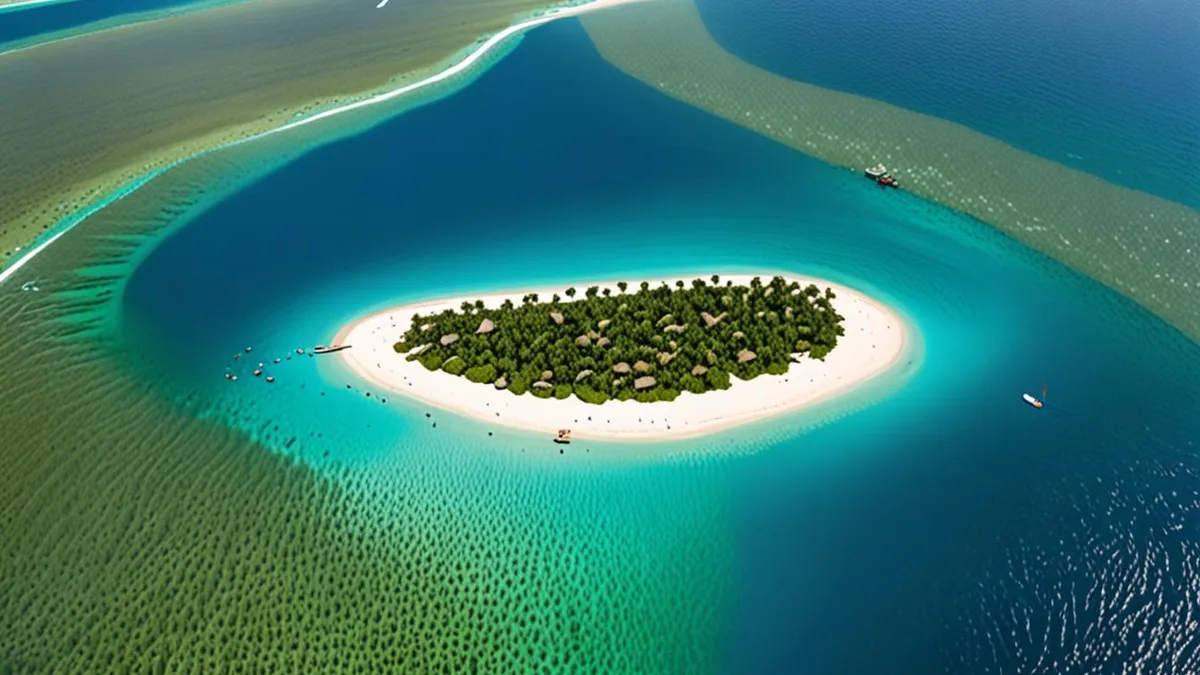
Private island resorts take the Maldives formula to its logical extreme: the resort is the island. With typically 30-80 villas spread across their own stretch of sand and lagoon, these properties deliver a level of seclusion that large multi-resort islands simply can’t match. Many have a house reef steps from your deck, so world-class snorkeling becomes a five-minute swim rather than a scheduled excursion.
Why the premium is real
Nightly rates often run $800-2,000+ per night, and there’s substance behind the number. Higher staff-to-guest ratios mean the bartender remembers your order and dinner is set up on the sand just for you. All-inclusive dining is common at this end of the market, which changes the value math considerably. If you’re weighing meal plans, it helps to understand how different packages compare, and this guide to all-inclusive versus à la carte resort pricing breaks down the cost logic clearly, even though it focuses on Mexico.
Who these islands suit best
Many private island resorts sit beyond 100 km from Malé, reachable only by seaplane, which flies in daylight hours. That adds cost and planning constraints, but it also keeps the beaches blissfully quiet. Honeymooners, anniversary celebrants and travelers who value silence over slide pools will find the premium easy to justify.
Transfers and Logistics: The Deciding Factor
In the Maldives, your transfer often decides your resort before price or aesthetics do. It is the first filter worth applying, because the distance between Malé and your island shapes your arrival day, your budget and how long your trip needs to be. A villa that looks perfect online can lose its appeal if reaching it means an unplanned hotel night before your vacation even starts. Work through these steps in order when comparing properties, and you will quickly narrow a long shortlist down to a handful of realistic options.
- Check how the resort is reached. Speedboat-access beach resorts within roughly 30-45 minutes of Malé let you land and reach your villa the same day, even on late arrivals. No daylight window, no waiting lounge, no extra night to pay for.
- Confirm your arrival time against seaplane schedules. Seaplane-only island resorts need daytime arrivals; flights landing after about 3:30 pm usually force an overnight in Malé or Hulhumalé. Check your incoming flight time before you book the resort, not after.
- Match your stay length to the distance. Plan a 7-night minimum for far-flung islands so transfer costs and travel time feel worthwhile. A shorter trip is better spent on a speedboat-access island.
- Ask exactly how transfers are billed. Some resorts include them in the room rate, others charge per person, and return seaplane fares can add hundreds of dollars per couple. Get the total in writing before you commit.
Get this right and the rest of your planning falls into place. Get it wrong and you can spend your first night, and a meaningful chunk of your budget, in an airport hotel instead of over the water. Ten minutes of checking schedules now saves a frustrating start later.
When to Go: Seasons and Prices Compared
The Maldives has two distinct seasons, and the one you pick shapes both your experience and your bill. November to April is the dry season: expect long stretches of sunshine, the clearest lagoons of the year and the best diving visibility. It is also peak season, so rates climb on both beach resorts and private islands.
May to October brings the wetter monsoon period. Showers are usually short rather than all-day affairs, and prices drop noticeably. One thing to keep in mind: swell can occasionally reach shores that face the open ocean, which may affect snorkelling and swimming conditions on some islands during these months.
Shoulder months and price swings
If you want a middle path, the shoulder months of November and April often deliver good weather with softer pricing than the deep high season. Water is still clear, crowds are thinner and you get more villa for your money.
Timing matters more for private island resorts than for large beach properties. Because small islands depend on fewer guests at higher rates, their prices swing more dramatically between seasons. If you are flexible, this is where low-season savings are biggest. The same logic applies across tropical destinations, as explained in how seasons and crowds shape resort pricing in Bali.
Budgeting: Total Cost Beyond the Nightly Rate
The nightly rate is only the starting point. Beach resort rooms and private island villas sit at very different price levels before you add anything else, and once transfers, meals and activities enter the picture, the gap between the two can widen or narrow considerably depending on how you book.
Timing your reservation matters too. For high season travel, booking 6-12 months ahead secures the best villa choice; in low season, 2-3 months can suffice. On small islands with limited inventory, late bookers often end up in the least desirable villas, so it pays to lock in your preferred category early.
Before comparing two quotes, make sure each includes the same extras. These are the costs that most often surprise travelers:
- Seaplane transfers: on remote islands these are billed per person, and for a couple the total can rival a full night’s accommodation, sometimes doubling the effective nightly cost on a short stay.
- Meal plans: half-board or full-board rates often cost less than paying à la carte for dinner, where a single meal for two can rival a night’s room rate.
- Excursions: dolphin cruises, sandbank picnics and diving trips are priced per activity, and on a private island your options are limited to what the resort sells.
- Drinks and minibar: bottled water, cocktails and in-villa minibar items on small islands can add up faster than most guests expect.
All-inclusive packages deserve a serious look if you plan to dine and drink heavily on-property. On a private island with few alternatives, they can level the field against a cheaper-looking room-only rate, and they make budgeting simpler because most of your stay is paid upfront.
How to Match the Resort Type to Your Trip
The right resort type depends less on the brochure and more on who is traveling with you. Families and first-timers generally do better on larger beach resort islands, where the amenities, shorter speedboat transfers and flexible arrival times remove most of the stress from a first trip. Kids’ pools, multiple restaurants and a busy atmosphere become assets rather than drawbacks.
Couples and divers lean the other way. A private island with a house reef at your doorstep means you can roll out of bed and be snorkelling within minutes, and the silence is the point. Service tends to be tailored, with staff who remember your preferences by day two.
Trip length is the final filter. A short stay of 4-5 nights favors speedboat-access islands near Malé, since a long seaplane transfer eats too much of a brief holiday. If your group mixes needs, consider splitting the stay instead of compromising:
- Families with young children: look for beach resorts with shallow lagoons and kids’ clubs, so adults get genuine downtime rather than constant supervision duty.
- Honeymooners: prioritize a private island with overwater or beachfront villas and ask about private dining on the sand, which many small properties arrange at no extra fuss.
- Divers and snorkellers: choose islands known for a healthy house reef, since unlimited free snorkelling off your villa beats paying for daily boat trips.
- Mixed groups: start on a lively beach island for the social energy, then finish on a quiet private one, ending the trip on the most memorable note.
The Bottom Line
Beach resorts and private island resorts in the Maldives may look alike in photos, but they deliver very different trips. Beach islands offer variety, easier speedboat transfers and lower entry prices, while private islands trade that convenience for seclusion at a premium. Neither is objectively better; each suits a different style of traveler, and the right answer depends on what you want from your days on the water and your evenings ashore.
In the end, your transfer window, trip length and the season you travel decide which type fits best. Both reward early booking, especially for the November to April dry season, when the best villas go first. If your dates are flexible, weigh how much privacy matters to you against how many amenities you expect, then choose accordingly. If this helped you choose, leave a comment or share the article.