A water park resort sounds like a dream for families: slides, wave pools and lazy rivers just steps from your room. But the premium price tag leaves many parents wondering whether the splurge is actually worth it, and what surprises might show up on the bill or at the slide entrance once they arrive.
This guide walks you through the whole picture. We’ll break down what a water park resort stay really includes, what you can expect to pay per night, and the best times to book and visit. You’ll also find the park rules and height requirements to check before you pack, tips for choosing the right room layout for your family, and practical ways to save money during your stay. By the end, you’ll know exactly what to expect and how to plan a trip that fits your budget.
What a Water Park Resort Stay Actually Includes
The biggest difference between a water park resort and a regular hotel with a pool is what’s bundled into your stay. At a water park resort, unlimited access to the on-site slides, wave pools and lazy rivers comes standard with your room. You can ride all day, dry off, and come back the next morning without buying anything extra. Day-pass water parks work differently: you pay per visit, and if you want to return the next day, you pay again.
Most properties also include the basics you’d otherwise haul around a public park. Towels are typically available throughout the deck, life jackets are provided free in a range of kid sizes, and locker basics are usually part of the package. That said, not everything is free. Cabanas and cabana rentals cost extra, typically running $50-$150 per day, so decide early whether the shade and reserved seating justify the add-on.
Indoor vs. outdoor parks
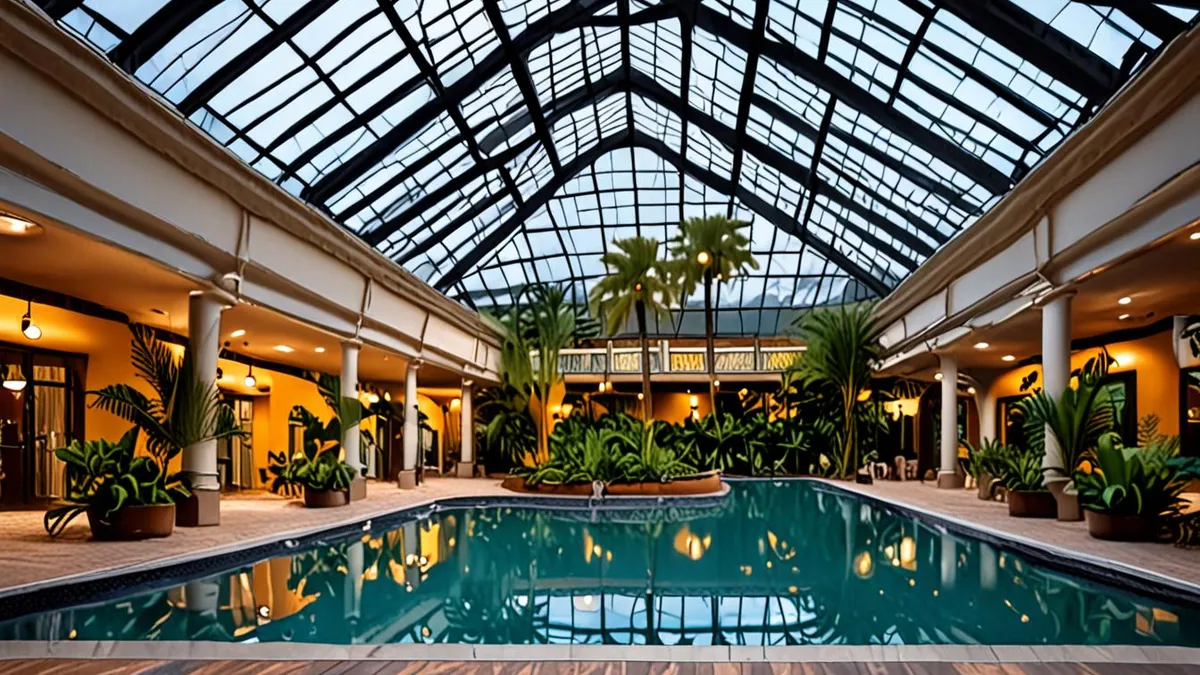
One more thing to check before booking: whether the park is indoor or outdoor. Indoor parks operate year-round with water heated to 82-84°F, so a January cold snap won’t touch your plans. Outdoor parks close in winter at most destinations, which means a summer-only season in many regions. If your trip dates are flexible, an indoor park gives you far more options for when to go.
Water Park Resort Costs: What You’ll Really Pay Per Night
Standard rooms at water park resorts sit at the lower end of the pricing scale, while suites and themed family rooms with bunk beds climb toward the top of the same range. A family of five who wants the kid-friendly theme room should expect to pay more than the entry-level rate, so budget with the upper end in mind rather than the advertised starting price.
The most common surprise is the resort fee. Nearly every property charges one, and it usually covers your park access along with basic amenities. That means the rate you see on a booking site may not include the very thing you’re coming for, so always factor the fee into your total before comparing properties. If you’re weighing whether bundling everything into one property makes sense, it’s worth reading how all-inclusive and à la carte resort pricing compare, since the same bundled-vs-pay-per-item logic applies here.
- Compare totals, not headlines. A cheaper room with a hefty resort fee can cost more per night than a pricier room with no fee, so run the math on every property you shortlist.
- Check what the fee actually covers. Some resorts bundle park access, towels and parking into the fee; others charge separately for parking, so read the fee breakdown before booking.
- Watch for per-person pricing on packages. A few resorts quote rates per person rather than per room, which changes the math for larger families.
Timing matters just as much as the rate itself. Weekends carry a noticeable premium over midweek stays, so a Sunday-to-Thursday visit can cut a family’s bill meaningfully. If your schedule allows school-week travel, the savings compound quickly over a multi-night stay — and you’ll often enjoy shorter slide lines as a bonus.
When to Book and When to Go
Booking timing can make or break your budget at a water park resort. For summer stays, reserve 3-6 months ahead. The best room types and park-view options sell out first, and families who wait until spring often find only the priciest suites or least convenient layouts left. If you have your heart set on a specific themed room or a balcony overlooking the wave pool, early booking is the only reliable way to get it.
Peak season vs. shoulder months
June to August is peak season, and rates run 30-50% higher than off-peak months. That premium buys you the hottest weather and the longest park hours, but it also buys you bigger crowds and longer slide lines. Shoulder months like May and September offer lower prices with warm weather still on your side, making them a sweet spot for families with flexible school schedules. The same seasonal pricing logic applies at beach destinations too, which is why it helps to understand how resort seasons, prices and crowds shift through the year before locking in dates anywhere.
The indoor park exception
Indoor park resorts flip the seasonal script entirely. Because their parks operate year-round, their rates dip in winter, making January and February the cheapest window for a stay. If your kids don’t care whether the slides sit under a roof or the sun, a winter indoor-park trip can deliver the same experience at a fraction of the summer price, with heated water at 82-84°F keeping everyone comfortable.
Park Rules and Height Requirements to Know Before You Pack
Height requirements are the number one source of disappointed kids at water park resorts. Major slides commonly require riders to be between 36 and 48 inches tall, and the measuring happens at the ride entrance, not at check-in. Measure your kids at home before you pack, and be honest about it: a child who just misses the cutoff for the big raft slide may still have plenty of smaller slides, a wave pool, and a lazy river to enjoy.
Food and swimwear rules catch many families off guard. Most parks do not allow outside food or drinks on the deck, and glass containers are banned everywhere near the water. Swimwear with exposed metal parts, rivets, buckles, or zippers is often rejected on body slides because it can scratch the slide surface. Pack simple suits without hardware to avoid a mid-vacation shopping trip at inflated gift shop prices.
When you arrive, expect a wristband system. Most resorts color-code bands by height so lifeguards can instantly see which attractions a child is cleared to ride. Here are the rules worth knowing in detail:
- Life jackets are free and often mandatory: resorts provide them at no charge, and non-swimmers are typically required to wear one on wave pools, lazy rivers, and deeper attractions even with a parent nearby.
- Height bands are checked per attraction, not once per day: a child cleared for the family raft ride may still be too short for the drop-slide tower, so plan a mix of rides everyone can share.
- Swim diapers are required for toddlers: most parks require snug-fitting swim diapers rather than regular diapers, and diaper-changing on the pool deck is prohibited.
- Re-entry rules vary by resort: some parks allow you to leave the deck for lunch and return the same day, while others restrict re-entry, so check the policy before you walk out.
Choosing the Right Room and Layout for Your Family
Location within the resort matters more than most families expect. Rooms closest to the water park cost more per night, but the trade-off is real: a pool-deck-adjacent room means no long trek down a hallway with two soggy, shivering kids who forgot their towel. If you book a standard room farther out, ask at reservation time whether a park-view or pool-deck-adjacent option can be added, and request it again at check-in since upgrades sometimes open up on arrival day.
Think About How You Will Eat
Suites with kitchenettes are underrated at these resorts. Water park properties are often built in outlying areas far from affordable restaurants, and on-site dining adds up fast over a multi-night stay. A kitchenette lets you stock the fridge with breakfast items, snacks, and drinks, which can quietly offset a meaningful chunk of the nightly rate. Even a small fridge and microwave makes reheating leftovers and keeping drinks cold easy.
Room type also sells out on a predictable schedule. Bunk-bed rooms and themed family rooms, the ones with kid-sized beds, tents, or cartoon-style decor, typically sleep four to six people and are the first categories to disappear in peak season. If your kids care about sleeping in a bunk or a themed room, book that specific category early rather than hoping for an upgrade. A standard double room that technically sleeps four can feel cramped once you add a stroller, wet towels, and floaties, so count your actual space needs before settling for the cheapest option.
How to Save Money During Your Stay
The biggest money leak at a water park resort is food. On-site meals often cost noticeably more than nearby off-property options, and hungry kids fresh off the slides will not wait for a drive. If breakfast is bundled into your rate, treat it as the main event: load up before the park opens, and you can often stretch until a late, lighter lunch. That single habit can remove one full paid meal from every day of your stay.
Timing your visit does more for your wallet than any coupon code. Shifting a stay to Sunday through Thursday typically trims the bill compared to Friday and Saturday nights, and you avoid paying the premium that weekend demand creates. As a bonus, slide lines shrink on weekdays, which means more rides per hour and less time managing bored kids in a queue. A midweek visit effectively buys you a bigger park without paying more.
Cabanas look tempting in photos, but think twice before reserving one. They carry a meaningful daily rental cost on top of your room rate, and free lounge chairs are usually plentiful off-peak. Save the splurge for the single busiest day of your trip, when shade and a guaranteed gathering spot actually earn their price. A few more tactics worth using:
- Bring your own snacks for the room: a grocery stop on the way in covers poolside cravings without paying deck-side prices for fries and drinks.
- Refill water bottles instead of buying drinks: most resorts have water fountains or refill stations, and bottled drinks are among the highest-markup items on site.
- Check what your resort fee already includes: the daily fee often covers towels, life jackets, and activities, so skip paying extra for items you already have access to.
- Set a souvenir budget before you walk through the arcade or gift shop: both are positioned right along the exit path, which is not an accident.
Wrapping Up Your Water Park Resort Plans
So, is a water park resort worth the premium over a plain hotel? For most families, the answer comes down to knowing the numbers before you book. Expect nightly rates of $150-$450, and keep in mind that most resorts tack on a per-day fee in the $15-$40 range that covers park access and amenities. Peak summer pricing runs 30-50% higher on top of that. The bundled slide access, towels and life jackets mean fewer surprise costs, but cabana rentals and on-site meals can add up if you don’t plan around them.
The rules matter just as much as the rates. Check the 36-48 inch height requirements against your kids before you promise them the big slides, and book 3-6 months out for summer stays to land the room type you actually want. If flexibility is on your side, midweek stays at an indoor park resort in winter usually deliver the best value of the year. Have a water park resort tip of your own? Leave a comment or share this article with another planning family.