Tulum resorts come in two very different flavors, and the choice trips up almost every traveler planning a first trip. Do you pay a premium to wake up steps from the sand on the famous beach strip, or book a cheaper room in town and taxi out each day? Both approaches work, but they create completely different vacations, and the wrong pick can cost you hundreds of dollars or leave you frustrated with daily logistics.
This guide compares the two areas side by side: how they differ in character, what each really costs per night, who each area suits best, and how getting around works in practice. We also cover the best times to book and finish with a simple decision framework so you can match your budget and travel style to the right base. By the end, you’ll know exactly which side of Tulum belongs to you.
Tulum Resorts: How the Beach Zone and Town Area Differ
Tulum’s beach zone is a long strip of boutique resorts, beach clubs and jungle-chic hotels set directly on white sand, backed by the jungle on the inland side. Many properties here are small, with 20-60 rooms rather than sprawling all-inclusive complexes, so the feel is intimate and design-focused. Rooms open onto palm-shaded terraces, and the ocean is often just a boardwalk away.
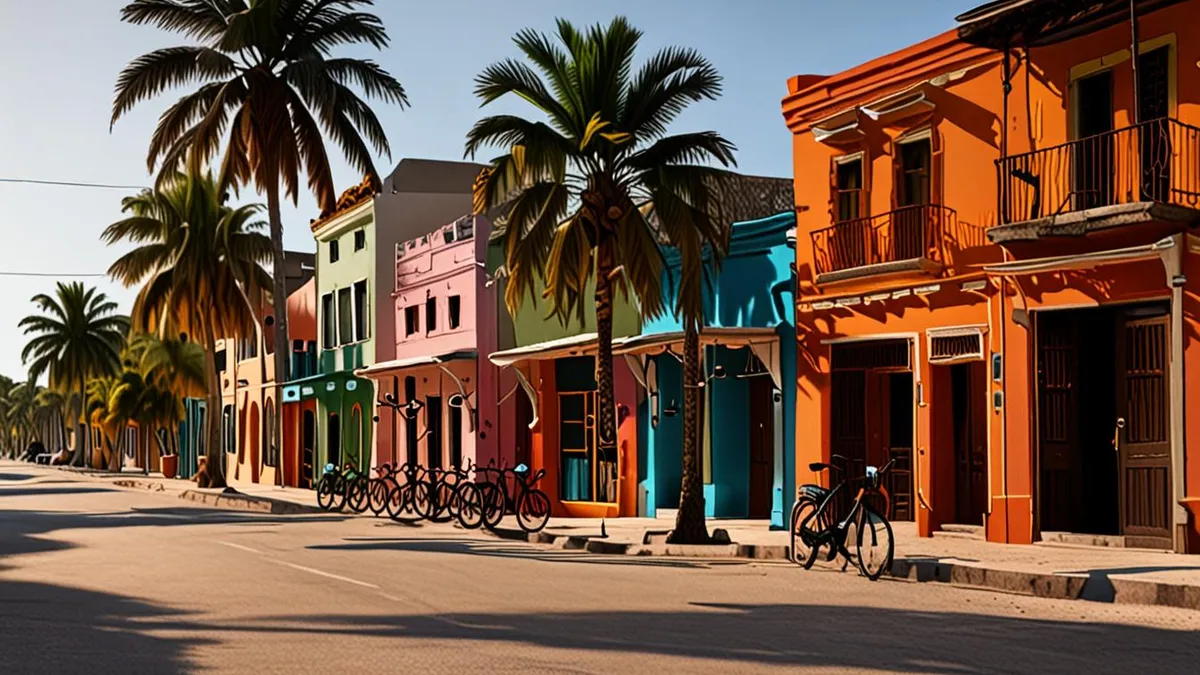
Tulum town, by contrast, is the functional center where locals actually live. You’ll find everyday restaurants, cafes, shops, banks and budget-friendly hotels clustered around the main streets. It’s where you’ll eat alongside residents, find the more authentic food, and pay local prices rather than beach prices.
Why the distance matters
The two areas are separated by roughly 3-5 km, which is far enough that you can’t casually stroll between them in the midday heat. Your choice therefore shapes daily logistics, not just your view: where you eat breakfast, how you reach the sand, and whether every beach day starts with a taxi or bike ride. Pick the beach zone and you trade convenience to restaurants for instant access to the sea; pick town and you trade the view for value and walkability to everything else.
Price Comparison: What Each Area Really Costs
Price is where the two areas diverge most sharply. Beach zone rooms typically cost USD 250-600 per night in high season, and premium beachfront units run higher still. You’re paying for the location: direct sand access, ocean-view terraces and the boutique atmosphere that made Tulum famous.
Town hotels usually run USD 80-200 per night. Over a week-long stay, that gap lets travelers save hundreds of dollars, sometimes enough to fund an extra excursion or several nights elsewhere on the trip.
The hidden costs of staying in town
Staying in town isn’t free of beach-related expenses. You’ll need to budget for daily taxis or bike rentals to reach the sand, and those small costs add up over a week. Even so, the math usually still favors town by a wide margin.
Also think about how your room rate relates to meals. Many beach zone resorts are small boutique properties rather than all-inclusive complexes, so food is often billed separately at beach-club prices. If you’re weighing meal structures, it helps to understand how all-inclusive and a la carte resorts compare on total cost in Mexico before you book. Whichever area you choose, check what your rate actually includes so the final bill doesn’t surprise you.
Atmosphere and Who Each Area Suits
The beach zone suits honeymooners and travelers who want to spend whole days moving between the pool and the sea without thinking about logistics. When your room, your lounger and the water are all within a minute’s walk, it makes sense to stay put. Many beach zone resorts are boutique properties with 20-60 rooms rather than sprawling complexes, so the atmosphere tends to feel intimate and personal, with staff who recognize you by the second morning. The trade-off is that meals, snacks and drinks often come at resort prices, since options nearby can be limited. Town, on the other hand, suits digital nomads, longer stays and visitors who want authentic, affordable food steps from their room, plus easy access to cafes, pharmacies and everyday services.
Noise concentrates differently in each area too. Beach clubs bring music to the sand during the day, so even a quiet resort can have a soundtrack; ask specifically about DJ schedules before booking if you value afternoon naps. Town stays livelier after dark, especially on the main streets where bars and restaurants cluster. A room facing an interior courtyard usually solves this.
Which traveler fits which area?
- Honeymooners and couples: beachfront sunrises, private stretches of sand and room service-style dinners make the premium rate feel justified for a few special nights.
- Digital nomads and remote workers: town offers reliable cafes, better value on monthly-style rates and a walkable base for everyday errands, with the beach only a short taxi or bike ride away.
- Food-focused travelers: town’s local kitchens and street-level prices are steps from your door, while beach zone dining tends toward curated resort menus.
- Light sleepers: check how close your beach zone hotel sits to beach clubs with daytime DJ sets, and in town ask for a room off the main street to avoid late-night traffic noise.
Getting Around: Distances, Transport and Daily Logistics
Getting between the two areas is simple once you know your options. The strip of resorts sits a short hop from the town center, which works out to about a 10-15 minute taxi or bike ride each way. That may not sound like much, but it adds up when you make the trip twice a day.
Bicycles are the popular middle option, and most beach zone hotels either lend them or rent them cheaply. The road between town and the beach is flat and mostly straightforward, though it can feel busy at peak hours. Walking the full distance takes about an hour, and in Tulum’s heat and humidity that is a workout, not a stroll.
How your base changes daily habits
Guests staying in town can walk to restaurants, cafes, shops and ATMs in minutes, which makes evenings easy and spontaneous. Beach zone guests often stay on-property for meals instead, since boutique resorts with 20-60 rooms usually have their own restaurants and beach clubs. That convenience is part of what you pay for, but it also means fewer reasons to leave the sand.
A practical tip: if you book in the beach zone, check whether your resort includes bikes, and download a local taxi app before you arrive. If you book in town, plan on a ride to the beach most days, and pack a small bag with water, sunscreen and cash so you can stay out comfortably. Taxis are easy to flag along the main road, but agreeing on the fare before you get in, or using an app, avoids any surprises.
When to Book: Seasons and Lead Times for Tulum Resorts
Tulum has two very different booking calendars, and picking the wrong one can cost you hundreds of dollars. High season runs from late November to April, when the weather is dry and rates hit their peak. Value season stretches from May to October, bringing lower prices and a higher chance of rain.
Lead times matter as much as the calendar. Beach zone resorts are small, often just 20-60 rooms, so the best beachfront units disappear early. Town hotels are larger in number and turn over faster, which gives you more flexibility.
- Beach zone, high season: reserve 3-6 months ahead, especially if you want a specific room type or a resort with a small number of units.
- Town hotels: 1-3 months of lead time is usually enough, and last-minute deals do appear outside the busiest weeks.
- Holiday weeks: the weeks around Christmas and New Year are the tightest of the year, so book earlier than the standard lead times if your dates fall then.
- Shoulder months: May and November can deliver beach zone quality at noticeably lower prices, since the weather is often still good but crowds thin out.
If you are flexible with dates, it pays to understand how seasons shape pricing anywhere in the tropics. The logic behind high and low season in Tulum is similar to the patterns explained in this guide to the best time to visit Bali resorts, where shoulder months offer the best balance of weather and price.
One more tip: check cancellation policies before you commit to a long lead time. A flexible rate booked early often beats a cheaper non-refundable rate booked late, because you can rebook if prices drop.
How to Choose: A Quick Decision Framework
Choosing between Tulum’s beach zone and town area comes down to three questions: what is your daily budget, how much time will you actually spend on the sand, and what do you want your money to buy? Most travelers find that once they answer these honestly, the right choice becomes obvious. The mistake people make is booking on looks alone, then realizing halfway through the trip that they are paying for scenery they rarely enjoy or missing the convenience they actually needed. Work through the steps below in order, and be honest with yourself at each one.
- Set your realistic nightly budget. Compare the typical rates for each area (covered in the price section above) against what you can comfortably spend every night without cutting into meals, excursions or activities. A room that strains your budget on night one will strain it more by night four.
- Decide what the trip is really about. If beach time is the core purpose and you picture whole days between the pool and the sea, book the beach zone. Stepping out of your room onto the sand is the experience you are paying for.
- Think about day trips. If you plan to head out regularly to cenotes, ruins or other excursions, town makes more sense. You will be closer to transport and you will not be paying beachfront rates for a room you barely use.
- Consider trip length. A longer stay stretches any budget, and town’s affordable food and accommodation make a week or more far easier to sustain than the same stretch in the beach zone.
- Try the hybrid approach. A few nights on the beach followed by the rest of the week in town gives you the scenery and the savings in one trip, and the short ride between the two areas makes the move painless.
Whichever way you lean, book according to the lead times for your chosen area and your travel dates, and read recent reviews for noise levels before you confirm. It also helps to write down your non-negotiables before you browse: walkable dinners, morning swims, quiet nights or a low total cost. Tulum rewards travelers who match their base to their habits rather than to the prettiest photo, and a little self-honesty at the planning stage prevents the most common and expensive mistake of all.
The Bottom Line: Beach Zone or Town
So, beach zone or town? If waking up steps from the sand is the whole point of your trip and your budget stretches past roughly USD 300 a day, the beach zone delivers scenery and convenience that town simply can’t match. You’ll pay for it, though, with high-season rates of USD 250-600 per night.
Town is the smarter pick if you want value, longer stays, or money left over for food and day trips. At USD 80-200 a night, the savings are real, and the 3-5 km ride to the beach is a minor trade-off for most travelers. Match the area to your budget, trip length, and how much time you’ll actually spend on the sand, and you’ll book the right side of Tulum. Still torn? Drop a comment below or share this article with your travel partner.