If you have ever priced a ski-in ski-out lodge in Colorado, you know the sticker shock. Slopeside rooms often cost noticeably more than comparable lodging a shuttle ride away, and it is fair to ask what exactly you are paying for. Is it genuine doorstep access to the lifts, or just clever marketing on a property that is technically near the snow?
This guide walks through what a true ski-in ski-out lodge delivers, from the distance between your door and the chairlift to the amenities you should expect inside, what the premium typically runs, and when booking makes the most financial sense. We will also look at how slopeside access changes the rhythm of your ski days, how to match a lodge to your group, and the key decisions that matter most before you reserve. By the end, you will know whether the premium is worth it for your trip.
What Ski-in Ski-Out Really Means at a Colorado Lodge
True ski-in ski-out means exactly what it sounds like: you click into your bindings at the lodge door and reach a lift within roughly 50-200 meters, usually without crossing a road or carrying your skis. On the return run, you glide back to the property and step out of your skis at the rack. That is the standard the premium price is built on.
In practice, the label gets stretched. Some “slopeside” properties sit across a cat track you have to skid across, others require a short walk in boots, and a few are actually a shuttle hop from the base area. None of these are dealbreakers on their own, but they change your mornings, especially with kids and heavy gear in tow.
How to check before you book
Pull up the resort’s trail map and locate the property against the nearest lift, then ask the lodge directly whether ski-out on the return is possible or whether you ski-in only. A two-minute walk in the morning can feel like ten on the last run of the day. Verifying the actual distance to the nearest lift takes five minutes and is the single most useful check you can make before paying slopeside rates.
Rooms, Amenities and Comfort Inside a Ski-in Ski-out Lodge
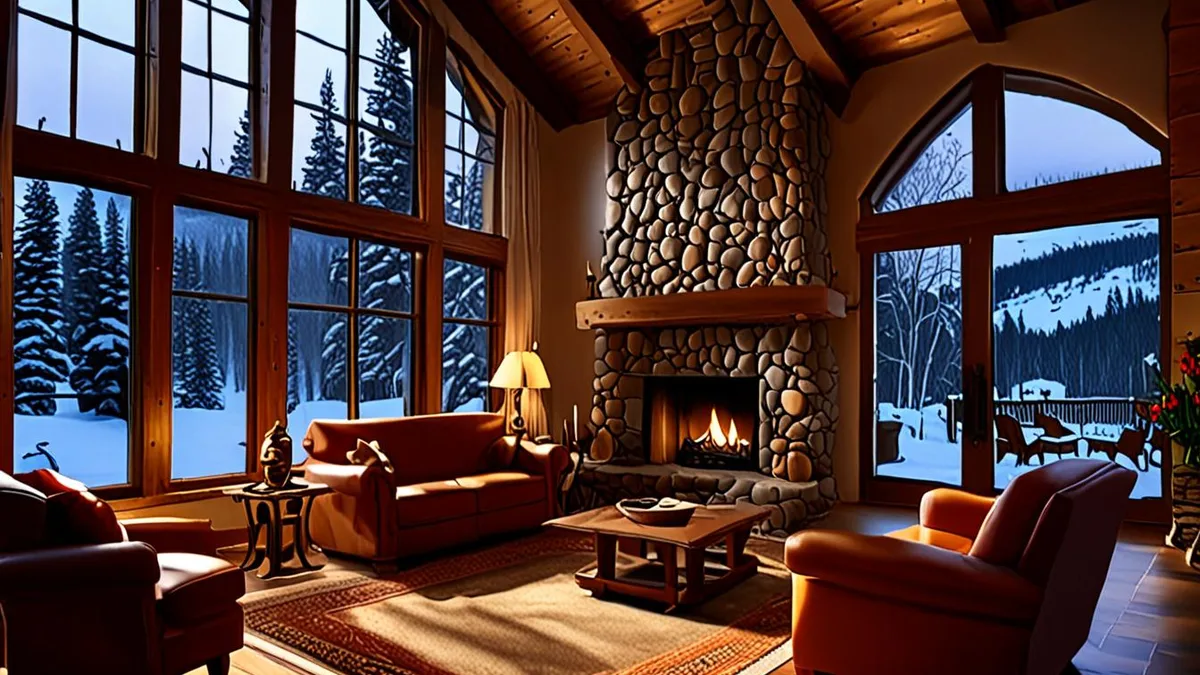
Step inside a Colorado ski-in ski-out lodge and the amenities follow a familiar, welcome pattern. Nearly all of them offer dedicated ski storage with boot dryers, so your gear lives in a warm room instead of your hotel bed, and heated outdoor hot tubs where you can soak while snow falls around you. Fireplaces in most rooms are standard rather than a luxury upgrade, and they earn their keep on stormy evenings.
Beyond those basics, many lodges layer on services that genuinely change your day. A hearty breakfast is common, and it matters more than you might think: with first chair typically at 9 am, eating at the lodge means you are in the lift line minutes after waking up instead of hunting for a café. Here are the extras worth looking for:
- Ski valet service: staff carry your skis to and from storage, tune edges overnight, and have everything waiting at the door when you head out.
- Heated pool: a year-round alternative to the hot tub, popular with kids on non-ski afternoons and for post-ski recovery.
- On-site restaurant: dinner without driving or shuttling after a long day on the mountain, often with slopeside views.
- Gear rental counter: on-site rentals mean you can swap or adjust boots and skis without leaving the building, a lifesaver on day one.
Not every lodge offers every extra, so treat these as a checklist and prioritize the ones your group will actually use.
How Much a Ski-in Ski-out Lodge in Colorado Costs
The convenience of slopeside lodging comes at a clear price. True ski-in ski-out lodging often costs 30-50% more than comparable lodges a short shuttle ride away. Whether that premium is worth it depends on your group: for families hauling kids and gear, it often pays for itself in saved time and sanity, while a couple comfortable with a two-minute shuttle may prefer the savings.
When rates peak
Timing drives the price as much as location. Peak pricing falls between Christmas week and early January, plus Presidents’ Day week in February, when slopeside rooms command their highest rates of the season. If your dates are locked to those weeks, book as early as you can. If you have flexibility, shifting even a week can meaningfully change the rate.
One easy way to soften the premium: bundling. Lift-ticket savings of 10-20% are common when tickets are packaged with lodging rather than bought separately, so always price the bundle before purchasing anything on its own. The same logic applies to other specialty stays, where understanding what drives the rate helps you judge the value — for a comparison, see how much a treehouse lodge stay costs in 2025.
Whichever route you take, compare the total cost of the trip, not just the nightly room rate. Add up tickets, meals, parking, and transfers, then weigh that figure against the convenience you gain. A slopeside room that looks expensive per night can sometimes come out ahead once you factor in what you would otherwise spend on shuttles, lunches on the mountain, and the time lost getting to the lifts each morning.
When to Book and When to Go
Colorado’s ski season typically runs from late November to mid-April, and when you book within that window matters as much as where you book. The holiday stretch at the end of December and the February school-break week are the toughest times to land a slopeside room: they sell out first and carry the highest rates of the season. If those weeks are non-negotiable for your group, treat your lodge reservation like a lift ticket for a powder day — first in line wins.
Booking early for peak weeks
For a true ski-in ski-out lodge over the holidays or in February, plan to reserve 6-9 months ahead. That is when the best slopeside rates are still on the table, and you will have real choice between lodges instead of settling for whatever remains. Waiting until fall for a peak-week slopeside room usually means slim pickings or paying a steep premium. Put a reminder on your calendar for the previous spring, and ask lodges directly when their peak-week inventory opens.
The April advantage
On the flip side, late-season April stays can be a bargain hunter’s dream. Lodges booked just 3-4 weeks out often offer serious discounts as the season winds down. You trade a bit of snow certainty for milder, sunny ski days, softer morning turns, and long lunches on the deck. Check snow reports and resort closing dates before committing, since spring conditions vary from year to year, but for many travelers this is the sweet spot for affordable slopeside lodging.
Skiing Days Without the Hassle: How Slopeside Access Changes Your Trip
The single biggest change a slopeside lodge makes is how your morning starts. Instead of lugging bags to a shuttle stop or circling a parking lot, you step outside, clip in, and ski to the lift. You can be on the mountain minutes after breakfast, catching first tracks while others are still waiting for a ride from the village.
Middays that actually work
Slopeside access also makes midday returns realistic in a way they never are from an off-mountain hotel. Ski hard all morning, then drop your gear at the lodge, warm up by the fire with a bowl of soup, and head back out for an afternoon session. Parents with young skiers love this rhythm, since a tired child can nap in the room while an adult squeezes in a few more runs. It turns a long, rigid ski day into something flexible and far less exhausting.
Après at your doorstep
Finally, après-ski ends at your doorstep. There is no shuttle to catch after that last run and no designated driver to arrange. Your après plans and dinner reservations naturally revolve around the lodge, whether that means a hot tub soak, drinks by the fireplace, or walking to the base-area restaurants. Many travelers find they ski more days and enjoy them more simply because the logistics disappear.
How to Pick the Right Ski-in Ski-out Lodge for Your Group
The right lodge depends heavily on who is traveling with you. Start by matching the base area to your ability level. Some lodges sit at beginner-friendly bases with gentle learning terrain and ski school steps away, while others sit below the big Summit County and Aspen-area mountains, where expert runs and serious vertical start right off the lift. A strong skier stuck at a gentle learning base will feel confined; a nervous beginner dropped into an expert-oriented base may feel intimidated.
Your group type matters just as much. Families should prioritize kitchenettes for easy breakfasts and picky-eater dinners, heated pools for post-ski entertainment, and close proximity to ski school meeting points, since wrangling kids and gear across a village each morning gets old fast. Couples, on the other hand, often favor lodges with spas, quiet hot tubs, and fine dining nearby. If a full-service, meals-included experience appeals to your group, it is worth comparing what a ski-in ski-out lodge offers against an all-inclusive ski lodge in the Alps, where the dining model works quite differently.
One detail deserves special attention: confirm whether the lodge offers true ski-out on your return runs. Some slopeside properties are ski-in only, meaning you ride in at the end of the day but still face a walk, a cat track, or a shuttle to reach the lifts in the morning. Ask the lodge directly and cross-check the distance to the nearest lift on the resort trail map before you book.
- Sleeping capacity: Check whether rooms connect or suites include sofa beds, since slopeside lodges often have limited room types for larger groups.
- Mountain orientation: Ask which runs lead back to the lodge door, because some return routes close early in the day or require an easier trail than your group wants to ski.
- Quiet versus base-area energy: Lodges right at a busy base sit near nightlife and ski school crowds, while quieter ends of the mountain trade a slightly longer ski-in for more peace.
- Season timing: If you travel in spring, ask whether the ski-out route and nearby lifts remain open through your dates, since some lower-return runs close before the season ends.
The Bottom Line on Your Colorado Slopeside Stay
So what does that 30-50% premium actually buy you? In short, it buys your day back. Instead of shuttling, parking, and hauling gear, you clip in at the door, ski to the lift, and return to a hot tub instead of a parking lot. That convenience is real, but it only pays off if the lodge truly sits within that short walk of the lifts and the amenities match how your group actually skis.
Two decisions matter most: verify the true lift distance before booking, and match the lodge to your crew, whether that means ski school proximity for families or spa and dining for couples. Book 6-9 months ahead to lock in peak-season value, or aim for April if budget-friendly, sunny late-season skiing sounds better. If this helped you plan your slopeside stay, leave a comment or share the article with your ski crew.