Glamping is bookable across Europe almost year-round, yet most travelers don’t know which regions actually shine in which season. The result? A safari tent in the Mediterranean in January, or a Nordic dome booked in July when the aurora is months away. The best glamping destinations in Europe depend entirely on when you go, and matching the two is easier than it sounds once you know the patterns.
This guide breaks it down season by season: spring in southern regions like Alentejo, Andalusia and Provence, summer on the Adriatic coasts, in the Alps and the Baltics, autumn harvest stays in Tuscany, the Douro Valley and the Loire, and winter domes in Lapland and the Alps. We’ll also cover how to choose the right stay type for each season, what prices to expect, and how far in advance to book. By the end, you’ll know exactly where to point your search for the dates you have in mind.
How to Match a Glamping Destination to the Right Season
Follow the weather, not the calendar
Europe has no single glamping season, and that surprises a lot of first-time bookers. Southern regions like Andalusia and the Alentejo peak in spring and autumn, when the heat is manageable. Coasts and mountains take center stage in summer, while Nordic sites are at their best in the depths of winter, when the aurora is out and the snow is deep.
The simplest rule is to move with the mild weather. Head south in April–June, when spring temperatures across southern Europe sit comfortably in the 18–26°C range. In July–August, go high or coastal, where peak-summer highs of 25–32°C feel like a relief rather than an ordeal. In September–October, chase the harvest colors in the wine regions, and from November onward, point yourself toward the Arctic circle.
Check whether a site is actually open
One practical warning before you book: not every site operates year-round. Many Mediterranean coastal camps shut entirely between November and March, so a dreamy seafront tent you saw online may simply not exist in winter. Alpine and Nordic domes, on the other hand, are often built for year-round operation with proper insulation and heating. Always check the site’s seasonal calendar before you get attached to a specific place, and confirm what’s included in winter — heating arrangements vary a lot between operators.
Spring (April–June): Alentejo, Andalusia and Provence
Alentejo: wildflowers and cork oaks
Portugal’s Alentejo is spring glamping at its most understated. The cork-oak plains and wildflower meadows glow from April onward, with daytime highs of 18–24°C — warm enough for lazy afternoons, cool enough for hiking. It’s the ideal window for yurts and safari tents, before the summer heat turns the plains golden and dry. If you’re weighing up which structure suits you best, our comparison of yurts, domes and cabins breaks down how each handles shoulder-season conditions.
Andalusia and Provence
Andalusia warms up fast. The olive groves and sites in the Sierra hit 20–26°C by May, which makes it prime territory for tented lodges with pools — you’ll actually want that pool by late May. Provence runs slightly later: the lavender fields bloom from mid-June, so late spring is the sweet spot for tented camps there, with nightly rates typically running €100–180 while the fields are at their most photogenic.
Booking is refreshingly easy in spring. Six to ten weeks ahead is plenty, and because spring is shoulder season across all three regions, availability is generous and you can often be flexible on exact dates without losing your first choice of site.
Summer (July–August): Adriatic Coasts, the Alps and the Baltics
Summer is when Europe’s coasts and mountains take over, and each of the three zones below offers something the others can’t. Croatia’s Istrian and Dalmatian coasts put you in a seafront safari tent with daytime highs that fall within the typical 25–32°C summer range — but July and August demand real planning, so book four to six months ahead. The Alps work in the opposite way: Austrian, Slovenian and Swiss meadow domes stay pleasantly mild while lowland Europe swelters, making them a natural cool-weather escape at the height of the season. And if you want summer without the summer crowds, the Baltic coast and Poland’s Masurian lake districts deliver warm days at gentler prices, with tents and yurts typically starting in the €80–150 per night range. Whichever zone you pick, expect peak-season rates for luxury domes and lodges to climb toward €200–400+ per night, so the same site that feels like a bargain in June can cost noticeably more in August.
It pays to budget for that peak pricing honestly rather than being surprised at checkout. Compare June and August rates for the same site before committing, and remember that availability, not just price, tightens sharply in high summer.
- Sea access matters most in Croatia. Many Istrian and Dalmatian glamping sites sit directly on or a short walk from pebble beaches, so check whether sunbeds, kayaks or beach towels are included rather than rented.
- Alpine sites often sit at altitude. Meadow domes in Austria, Slovenia and Switzerland can be noticeably cooler at night than valley towns, so pack layers even in August.
- Masuria is a lake region, not a beach one. The draw is kayaking, sailing and forest cycling between lakes, so look for sites that rent equipment or organize guided trips.
- Cancellation policies tighten in peak season. High-summer bookings on popular coasts often have stricter change and refund terms than shoulder-season ones, so read them before paying the deposit.
Autumn (September–October): Tuscany, the Douro Valley and the Loire
Autumn might be the savviest time to go glamping in Europe. The summer crowds have gone home, prices soften, and the wine regions — arguably Europe’s best glamping backdrops — hit their stride. September in Tuscany brings daytime temperatures of roughly 18–26°C, and vineyard glamping sites put you right next to the harvest action. Many estates let guests watch or even join the grape picking, and evenings on the tent deck with a glass of the local red are hard to beat.
The Douro Valley and the Loire
Portugal’s Douro Valley is a strong pick for a lodge-style stay. The terraced vineyards along the river look spectacular in autumn light, days run a warm 22–26°C, and nights turn pleasantly cool — ideal sleeping weather. Timing your stay around the grape harvest adds something you simply don’t get in summer: working wineries, full cellars and a festive mood in the villages.
France’s Loire Valley works well later in the season. Once French school holidays end, the château country quiets down noticeably, and tented camps sit comfortably in 16–22°C daytime weather. You can cycle between castles and vineyards without the July traffic, and staff at smaller sites have more time for guests.
Rates drop 20–40% compared with summer peak, so a lodge that cost a fortune in August becomes far more reasonable in late September. Booking 4–8 weeks ahead is usually enough, though harvest-adjacent sites in famous wine regions can fill earlier — check availability if your dates fall in the middle of the vendange.
Winter (November–March): Lapland Domes and Alpine Snow Glamping
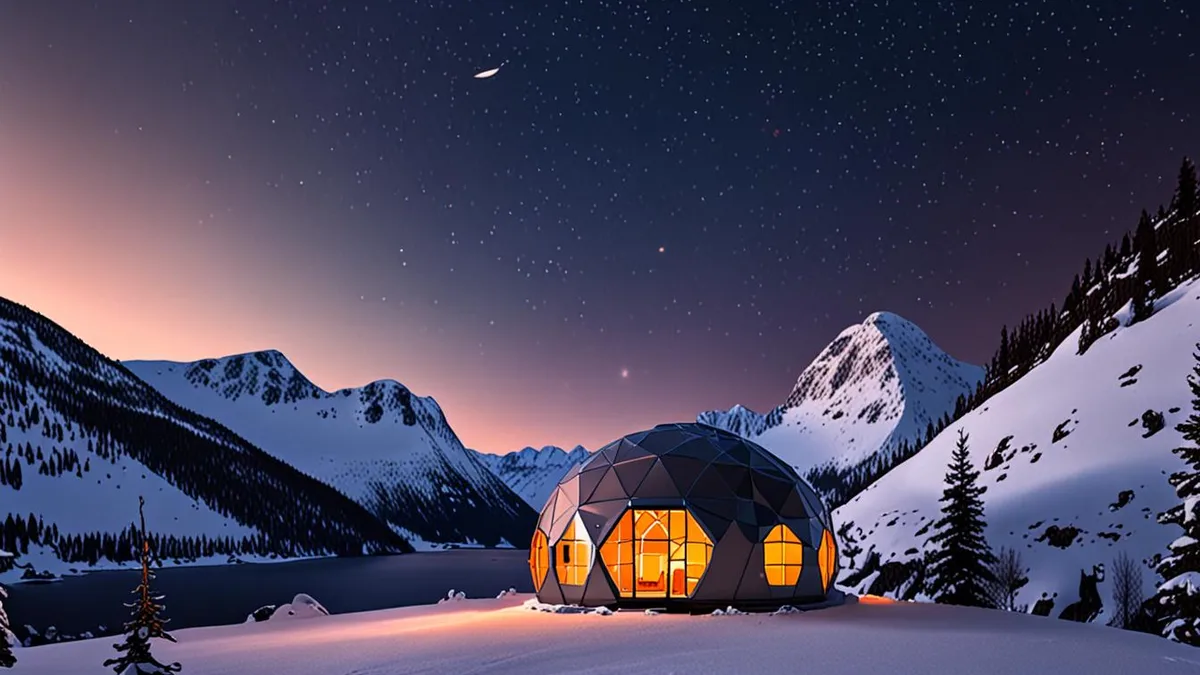
Winter glamping sounds like a contradiction until you’ve spent a night in a heated glass dome with snow outside and the sky doing its thing above you. This is the season for Lapland and the Alps, and it demands a different kind of planning than any other part of the year.
Lapland: aurora season under glass
Finnish and Norwegian Lapland are the headline act. The northern lights season runs roughly from late August to early April, and glass domes let you watch the show from bed — a real advantage when the display kicks off at 1 a.m. and it’s −15°C outside. Winter temperatures typically range from −5°C down to −25°C, so operators build these domes with serious insulation and strong heating. The catch is demand: domes positioned for aurora viewing sell out 5–6 months ahead for December–February dates. If the northern lights are the whole point of your trip, book early and check the dome’s heating setup before you commit.
Alpine snow glamping
Switzerland and Austria offer a warmer-flavored version of winter glamping — well, warmer in atmosphere, not temperature. Heated, insulated domes at ski-resort altitudes typically run from roughly €200–350 per night, putting you at the edge of the slopes without the price of a resort hotel. For a closer look at what a Swiss winter stay can feel like, see this piece on enjoying alpine splendor at a Swiss winter refuge.
Whatever you book, pack for real cold: thermal base layers, insulated footwear, and warm clothing for the walk between the sauna and the dome. Ask the operator whether heating comes from a wood stove or electric system — both work, but they change how you manage warmth overnight, and wood stoves mean you may need to top up the fire yourself.
Choosing the Right Stay Type for Each Season
The accommodation type you pick matters almost as much as the destination. A safari tent that feels luxurious on the Adriatic coast in July is a very different proposition in a November downpour, and choosing the wrong structure for the season is the most common way a glamping trip goes wrong.
Safari tents are the classic choice for warm, dry weather — think spring in Portugal’s Alentejo or summer along Croatia’s coast. They offer space, real beds and that canvas-and-wood charm, but they’re fair-weather structures: most operators close them once temperatures dip below around 10°C, since canvas alone won’t hold heat.
Insulated geodesic domes are the year-round workhorse of European glamping. Their rigid, insulated panels and dedicated heating systems make them the only stay type reliably comfortable in Lapland or Alpine winter conditions, where temperatures can drop far below freezing.
Yurts and cabins shine in the shoulder seasons. A yurt with a stove handles cool spring and autumn nights well, while cabins — with solid walls, insulation and often proper plumbing — extend the usable season deep into late autumn, when canvas options have long since closed.
Before booking anything outside the May–September window, run through this checklist:
- Heating source: ask whether it’s a wood stove, electric heater or underfloor heating, and whether you refuel it yourself overnight.
- Insulation level: canvas walls and insulated panels behave very differently; confirm what the structure is actually built from.
- Water supply: some seasonal sites drain pipes or close bathroom blocks in cold months — check whether you’ll have running water and hot showers on site.
- Winter access: in mountain and Nordic locations, confirm the site is reachable by your vehicle, as some access roads need snow chains or 4WD.
Wrapping Up: Picking Your Season and Region
Glamping in Europe works almost year-round — the trick is matching the region to the month. Spring favours southern Europe, summer the coasts and the Alps, autumn the wine regions, and winter the Nordic and Alpine domes. Book those seasons in that order and the weather, the crowds and the prices all tend to fall into place.
Lead times matter just as much as location: shoulder-season stays often need only 4–8 weeks’ notice, while peak summer coastal sites and aurora-season domes are best secured 4–6 months ahead. And remember that stay type is seasonal too — tents for warmth, insulated domes for cold. Getting that pairing right is what separates a great glamping trip from a mediocre one. If this helped you plan yours, leave a comment or share the article with a fellow traveler.