If you have ever tried to book a lodge stay in Banff only to find your preferred dates sold out or the price doubled overnight, you know how frustrating timing can be. Banff National Park is one of Canada’s most in-demand destinations, and lodge availability and rates swing dramatically depending on when you travel and how far ahead you reserve. Book too late in summer and you may pay peak-season premiums or miss out entirely; book too early in winter and you might miss a better deal.
This guide breaks down exactly when to plan your stay. We will walk through Banff’s seasons, how far ahead to reserve, what rates look like through the year, which area makes the best base, how to match dates to your trip style, and flexible-date tactics that cut costs, before wrapping up with a simple booking plan you can follow.
Understanding Banff’s Seasons Before You Book a Lodge Stay
Banff has three distinct booking seasons, and knowing which one you are aiming for shapes everything from price to trail access. Peak season runs from June to August, when warm weather opens every trail and the park sees its biggest crowds. This is when lodges charge their highest rates and fill up fastest, so availability gets tight months in advance.
Shoulder seasons: the sweet spot
The shoulder windows of May to mid-June and September to October combine good conditions with rates often 40-60% lower than peak. Trails are largely accessible, wildlife is active at lower elevations, and the town feels noticeably calmer. If your dates are flexible, these windows deliver the best balance of experience and cost.
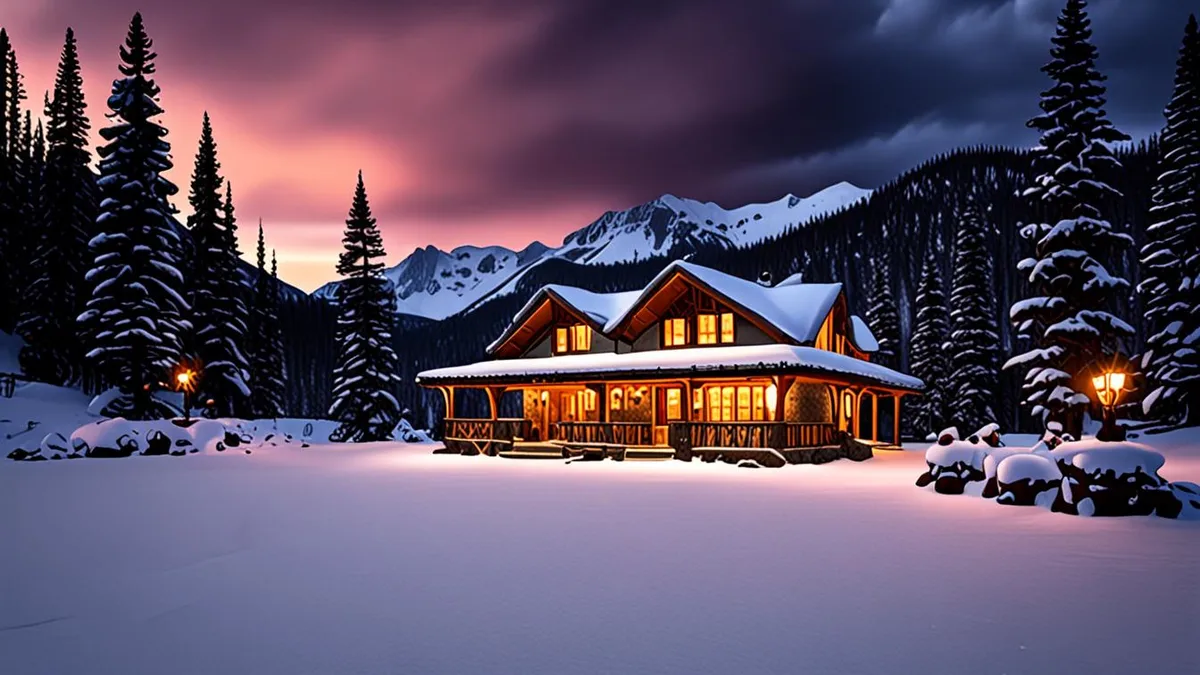
Winter, from December to March, is a different kind of trip. It suits skiers heading to the nearby resorts, and midweek the town streets are much quieter. Rates sit mid-range to high close to the ski hills, but the atmosphere is cozy and the crowds thin out compared to summer.
How Far Ahead to Book a Lodge Stay in Banff
Timing your reservation matters as much as choosing your dates. As a rule of thumb, reserve 3-6 months ahead for summer stays, and stretch that to 9-12 months if you have your heart set on July and August. Those peak weeks see top lodges sell out first, and late planners are typically left with the priciest leftovers or rooms nobody wanted.
Shoulder-season trips are more forgiving. A 3-6 month lead time still gives you a solid choice of rooms in May, June, September or October, often without paying the last-minute premiums that come with waiting. Winter ski-season dates deserve a middle-ground approach: book several months ahead, and earlier still around holidays, when rooms near the resorts go quickly and rates climb.
- Set a calendar reminder: when you pick your travel dates, note the booking window that applies and set a reminder a week before it opens so you can compare rooms as soon as they are released.
- Check cancellation policies: booking far ahead is easier when you can cancel or shift dates, so favor flexible-rate rooms over non-refundable deals unless the discount is substantial.
- Watch for early-bird offers: some lodges release next summer’s rates in fall or winter, and reserving early can lock in lower pricing before demand pushes it up.
- Confirm details before you commit: room types, deposits and change rules vary between properties, so read the terms carefully and contact the lodge directly if anything is unclear.
What Lodge Rates Look Like Through the Year
Lodge rates in Banff follow a predictable rhythm. In shoulder months, expect roughly CAD 250-450 per night for a comfortable lodge room. In peak summer, that range climbs to CAD 400-800+ per night, with the most sought-after properties at the top of the scale.
The cheapest months of the year
January and early November usually offer the year’s lowest rates, often 30-50% below summer highs. These are quiet months in the park, so if your trip style fits colder weather or the lull between seasons, the savings are significant.
Timing within the week matters too. Midweek stays in any season typically cost noticeably less than Friday and Saturday nights, when weekend travelers push demand up. Shifting your arrival to Sunday or Monday can trim a meaningful amount off a multi-night stay, even in busier months. Rates change year to year, so treat these figures as a guide and confirm current prices with lodges directly before booking.
Choosing the Right Area for Your Lodge Base
Where you base yourself in Banff National Park shapes far more than your nightly rate — it determines how much time you spend driving versus actually enjoying the mountains. The park offers three main lodge areas, each with a distinct personality and practical trade-offs.
Banff townsite is the most convenient option. You can walk from your lodge to restaurants, cafes and shops in minutes, and the drive from Calgary International Airport takes about 1.5 hours, making arrival day simple even after a long flight. It is also the easiest base if you want to mix hiking with evenings out.
Lake Louise, farther up the Trans-Canada Highway, rewards travelers who care most about the trails. Waking up minutes from the trailheads means you can start hiking at dawn and beat both the crowds and the parking scramble. The catch is demand: Lake Louise lodges book out fastest in summer, so they require the earliest planning of any area in the park.
The lodges along the Highway 93 corridor toward Jasper trade convenience for atmosphere. Expect quieter surroundings, less light pollution and a real sense of seclusion — but plan on driving longer distances for dinner, groceries and trailhead parking.
- Banff townsite: a practical pick in winter, since you can walk to dinner after a day on the slopes instead of driving icy roads back to a remote lodge.
- Lake Louise: summer rooms here often sell out before townsite lodges do, so treat this area as your booking priority if it is your first choice.
- Highway 93 corridor: the darker skies make this stretch a favorite for travelers who want to step outside at night and actually see stars over the peaks.
Matching Your Trip Style to the Right Dates
The best booking dates depend less on the calendar and more on what you actually want to do once you arrive. A lodge that is perfect for a January ski trip may be the wrong choice for a hiker chasing high alpine passes.
For hikers
If trails are the priority, aim for late June through September. That is when the high passes are typically snow-free and you have access to the park’s full network of routes, from valley walks to ridge hikes. Earlier in June, popular high-elevation trails can still hold snow, so packing microspikes or adjusting your route list is a smart move.
For wildlife watchers and winter travelers
Wildlife viewing follows a different rhythm. Elk and bear activity is most reliable in spring and again in September and October, when animals feed at lower elevations and are easier to spot from the road or short trails. Keep a respectful distance and bring binoculars rather than relying on a close encounter.
If your idea of a mountain trip involves long nights, fireplaces and a chance at the northern lights, target December to February, when nights are longest. Banff sits far enough south that aurora sightings are never guaranteed, but dark winter skies improve your odds. If that cozy, lights-over-the-snow appeal is what draws you, you may also enjoy reading about a Finnish glass lodge where the northern lights fill the view for a different take on the same winter magic.
Flexible-Date Tactics That Cut Costs
Lodge pricing in Banff moves with demand, and travelers who shift their dates even slightly often pay dramatically less. The savings are not marginal — they can be the difference between peak-season rates and rates that sit well below them, so it pays to understand where the flexibility is.
The single biggest lever is moving a summer trip to the edges of the season. The first two weeks of June and late September offer pleasant mountain conditions, open trails at most elevations and rates that undercut July and August considerably. You trade a slightly higher chance of cool mornings for quieter trailheads and easier dinner reservations.
The second lever is the night of the week. Friday and Saturday nights carry a premium in every season, so booking Sunday through Thursday lowers your nightly cost across the board. If your schedule allows a midweek stay, you will often get the same lodge for noticeably less, with calmer streets and shorter waits at popular restaurants.
Finally, do not ignore promotions. Lodges frequently run offers aimed at filling rooms during quiet stretches of the year, and January and early November are typically when these deals appear, often beating dynamic pricing outright.
- Compare a split stay: two shorter bookings in shoulder months can cost less than one peak-week trip and give you two chances at good weather.
- Ask about longer-stay rates: some lodges discount nightly prices once you pass a set number of consecutive midweek nights.
- Set rate alerts early: monitoring prices a few months out makes it easier to spot a genuine promotion rather than a repackaged standard rate.
Wrapping Up Your Banff Lodge Booking Plan
The answer to when to book a Banff lodge comes down to matching your dates to your planning window. Shoulder seasons in May to mid-June and September to October, booked 3-6 months ahead, deliver the best balance of price and availability. If you want July or August, commit 9-12 months out or risk paying peak premiums or finding nothing left. January and early November reward flexible travelers with the year’s lowest rates.
Your choice of base matters just as much. Banff townsite, Lake Louise and the corridor lodges along the highway each shape your rates and daily logistics differently, so decide where you want to wake up before you lock in dates. Get that pairing right and you’ll have a lodge stay that fits both your budget and your itinerary. If this helped you plan your trip, leave a comment or share the article with a fellow traveler.