Unsure whether spring blooms, summer sun or a cozy autumn pod gives you the best value for a UK glamping trip? You’re not alone. The same safari tent or shepherd’s hut can feel like a bargain in October and a splurge in August, and the weather can swing just as dramatically. This guide breaks down glamping in the UK season by season, so you know exactly what to expect from both the skies and your wallet.
We’ll look at why timing matters so much, then walk through the peak summer months, the quieter shoulder seasons of spring and autumn, and the surprisingly appealing world of winter pods with wood burners. You’ll also find how the experience differs between Cornwall, Scotland and Wales, plus practical tips for getting the best price on your stay. By the end, a quick recap will help you match the right season to your budget, your schedule and the kind of trip you want.
Why Timing Matters for Glamping in the UK
Glamping is one of those holidays where the calendar matters almost as much as the destination. The same bell tent that feels airy and luxurious on a warm July evening can feel damp and draughty after a wet October night. That’s because UK weather swings hard with the seasons: summer days typically sit somewhere between 15-25°C, while winters bring wet, windy weather that changes what a tent or pod actually feels like to sleep in.
Prices move with the seasons too
The financial case for timing your trip is just as strong. Nightly prices for the very same unit can differ by 20-40% between peak and shoulder months. A pod that costs a premium on a summer Saturday can drop to a fraction of that in spring or autumn, often with a quieter site thrown in as a bonus.
The season shapes the whole experience
Beyond weather and price, when you go changes what your trip feels like. Festival crowds can fill villages and roads in some regions, midge season in Scotland peaks in the summer months and can make open-canvas stays uncomfortable, and daylight hours shrink dramatically outside summer. A firepit evening lasts far longer in June than in November. Understanding these patterns before you book is the difference between a trip that matches your expectations and one that surprises you for the wrong reasons. The sections that follow break down each season in detail, so you can pick the window that suits you best.
Peak Season: Late May to Early September
Late May to early September is the classic window for glamping in the UK, and for good reason. This stretch brings the warmest and most reliable weather of the year, with typical daytime temperatures of 15-25°C and long evenings where the light lingers well past dinner. It’s the season when open-canvas tents genuinely shine: you can leave the flap open, eat outside and fall asleep to the sound of the countryside rather than the zip of a sealed pod.
What you’ll pay at peak
The trade-off is price. This is the most expensive time to book, and weekend rates reflect it. For a two-person glamping unit, expect £120-£250 per night on weekends, with the top of that range usually reserved for the most popular sites and the most sought-after summer Saturdays. Midweek stays and smaller sites often sit at the lower end, but peak-season pricing is unavoidable if you want the best weather.
Who peak season suits best
First-time glampers should strongly consider this window. Warm, dry evenings remove most of the risks that put people off trying a tent-based holiday, and long daylight hours mean you get far more from your stay. Families tied to school holidays also have little choice but to travel in this period, particularly July and August.
The downside is simple: everyone else has the same idea. Popular sites fill up quickly, facilities get busy, and the atmosphere is livelier rather than peaceful. If you’re set on a peak-season weekend, book early. The best units at well-reviewed sites are often reserved months in advance, so treat this as a plan-ahead holiday rather than a spontaneous one.
Shoulder Seasons: April-May and September-October
If peak season prices make you wince, the shoulder seasons are where savvy glampers head. Rates in April to late May and September to October typically sit well below peak prices, and sites are far quieter as a result. You’ll often get the same tent, pod or cabin, the same views and a much more peaceful atmosphere, simply by shifting your dates a few weeks either side of summer. For anyone flexible on timing, this is the easiest saving in glamping.
Spring: blossom, lambs and fresh mornings
April and May bring the countryside to life. Expect blossom on the trees, lambs in the fields and days that generally sit around 8-15°C. Mornings can be crisp, so a pod or cabin with heating earns its keep, but a sunny spring afternoon at a glamping site can feel genuinely luxurious. You’ll have first pick of the firepit and the picnic bench, and wildlife tends to be at its most active before the summer crowds arrive.
Early autumn: golden foliage and mild days
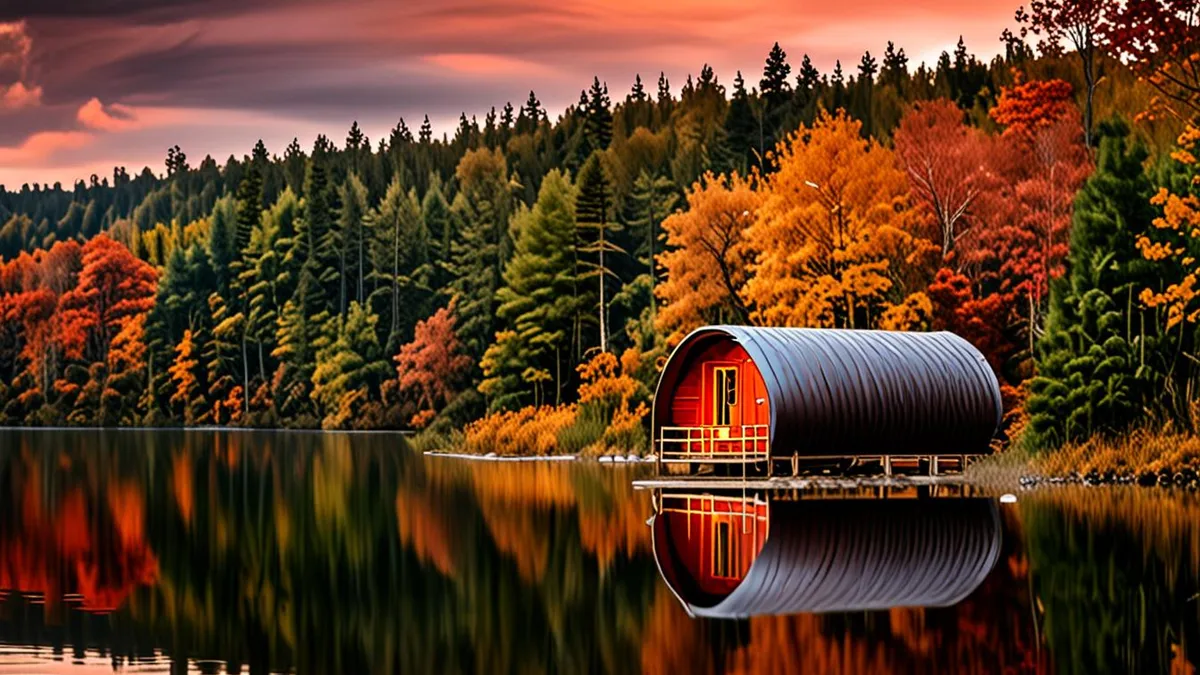
September and early October offer their own rewards. The foliage turns golden, the weather is often still mild, and the summer crowds have gone back to school. For couples who want scenery and quiet without winter’s chill, early autumn is arguably the sweet spot of the whole glamping year. Coastal sites in the south tend to hold onto the good weather longest, so it’s a smart match for those regions.
Pack for changeable weather
The one caveat is rain. Showers are more frequent in spring and autumn than in midsummer, so pack layers and waterproofs even when the forecast looks kind. A warm jumper for the evening, a decent rain jacket and waterproof footwear will let you enjoy the site whatever the sky does. Bring a book and a board game too, in case a wet afternoon keeps you in the tent. With the right kit, a shoulder-season stay delivers most of the charm of summer glamping at a noticeably friendlier price.
Winter Glamping: November to February
Winter might sound like an odd time to sleep in a tent, but glamping in the UK does not stop when the temperature drops. Between November and February, many sites switch to insulated pods and cabins fitted with wood burners, and these heated units commonly cost £70-£140 per night. That makes winter one of the cheapest windows of the year to try glamping, especially for couples who do not mind trading sunshine for firelight.
Be realistic about what winter glamping involves. Days are short, with darkness arriving mid-afternoon in December, and temperatures often sit at 8°C or lower. Open-canvas tents and bell tents are generally taken off the booking lists for the season, so look for solid structures: timber cabins, insulated safari tents and pods with proper heating. A wood-burner-warmed pod with a frosty field outside is a completely different experience from a chilly canvas roof.
If you love the idea of a crackling stove, a frosty morning walk and landscapes with almost nobody else in them, winter is the best-value time to go. Sites are quiet, hosts often have more time for guests, and stargazing from a hot tub is at its best on clear, cold nights. For inspiration on making the most of a snowy escape, read about a cozy winter refuge in the Alps and bring some of that alpine spirit back to the British countryside.
Regional Differences Across the UK
The UK is small, but its glamping seasons vary more than most visitors expect. South-west England and the south coast enjoy the longest warm season of anywhere in the country, with many sites usable from April right through to October. Cornwall, Devon and the Dorset coast benefit from milder Atlantic air, so sea-view pods and coastal yurts stay comfortable well beyond the summer months.
Head north and the picture changes. Scotland and northern England have shorter, cooler seasons, with sites often opening later in spring and closing earlier in autumn. Midges are the other factor to plan around: in much of Scotland they peak in July and early August, which can make open-canvas stays uncomfortable near lochs and woodland. Wales sits somewhere in between, offering sheltered valleys and coastal spots that remain pleasant later into autumn.
- In Scotland, midge numbers are lowest on breezy coastal sites and higher in sheltered, humid glens, so exposed locations are a smarter pick in midsummer.
- In the south-west, sites near the coast often stay open through October half-term, when inland sites may already have wound down for winter.
- In Wales, valley sites with tree cover can stay several degrees warmer overnight than exposed hilltop locations, extending comfortable stays into the shoulder months.
Whichever region you choose, check each site’s actual opening dates before booking, as they differ from one operator to the next.
How to Get the Best Price on Your Glamping Stay
Glamping prices move with demand, and a little planning can cut a noticeable slice off your bill. The same pod that fetches top dollar on a summer Saturday often drops in price on a Tuesday in September. Here is how to time your booking.
- Book peak-season summer weekends 3-6 months ahead. The most popular units, especially those with hot tubs or sea views, sell out early, and booking well in advance secures both the unit you want and the rate before prices climb.
- Target midweek stays in July and August. Monday-to-Thursday nights typically cost less than Friday and Saturday, and sites are quieter too, so you get more space, easier parking and shorter waits for shared showers or fire pits.
- Watch for last-minute discounts in the shoulder months. In April-May and September-October, sites often slash the price of unfilled pods in the final week or two before arrival, sometimes by a substantial margin, so a flexible schedule can pay off handsomely.
- Sign up for newsletters and follow your favorite sites on social media. Operators frequently announce flash sales, midweek offers and off-season packages there first, and these deals rarely appear on booking platforms where extra commissions are baked in.
If your dates are fixed and fall in high summer, the advance-booking route is the safest bet. If you can travel at short notice, set alerts with a couple of sites you like and pounce when a shoulder-month deal appears. Either way, comparing a midweek and a weekend rate before you commit usually reveals how much you can save, and it takes just a few minutes of checking.
Choosing Your Season: A Quick Recap
So, which season gives you the best value? If warm, reliable weather matters most, late May to early September is your window, when summer days typically sit somewhere in the mid-teens to mid-twenties Celsius and prices reach their yearly high. For a better balance of cost and comfort, the shoulder seasons of April-May and September-October offer rates often 20-40% below peak, quieter sites and mild days around 8-15°C.
Traveling on a tighter budget? Winter pods from November to February are the cheapest cozy option, with heated stays commonly running £70-£140 per night. And if you have your heart set on a peak summer weekend, remember to book 3-6 months ahead to secure the unit you want at a fair rate. Match the season to your priorities, and you will get far more from your trip. Have a favorite time of year for glamping? Share it in the comments or pass this article along to a friend.