Timing is everything when you want to book a villa in the Greek islands. Ask too late and the best sea-view properties are gone; ask too early and you might second-guess yourself about weather, crowds and price. Most travelers simply want to lock in the right villa at a fair price without gambling on meltemi winds or shoulder-to-shoulder beaches.
This seasonal guide walks you through how the Greek island year actually works, from the hot, busy peak of July and August to the gentler shoulder months of May, June, September and October. You’ll find clear booking windows, the trade-offs of peak season, how each island group behaves in different months, and how to match your villa to your trip style. A set of key takeaways at the end pulls it all together so you can plan with confidence.
Greek Islands Seasons at a Glance
The Greek Islands follow a rhythm that shapes everything from villa rates to which tavernas are open. Understanding that rhythm is the first step to choosing your dates wisely, because the same property can feel like a completely different holiday depending on when you arrive.
Peak season: late June to early September
From late June through early September, the islands are in full swing. Weather is hot and reliably sunny, beaches are fully serviced with sunbeds and water sports, and restaurants, shops and boat trips all run at maximum capacity. It’s also when villa demand peaks, so expect the highest rates of the year and the busiest towns, especially in famous spots like Santorini and Mykonos.
Shoulder seasons and winter
The shoulder seasons, from May to mid-June and again from mid-September to October, offer a gentler version of island life. Days typically sit around 20-28°C, warm enough for sightseeing and often for swimming, and tavernas and villas are open without the summer crush. Towns feel calmer, roads are easier to drive, and you get more of the islands to yourself.
Winter is a different story. Most villa owners close their properties from late October until around Easter, and many restaurants and ferry routes scale back too. If you’re dreaming of a Greek island villa, plan your stay between roughly April and late October, and check opening dates with individual owners or agencies.
When to Book a Villa in the Greek Islands
Once you know which season suits you, the next question is how far ahead to commit. Booking windows in the Greek Islands are fairly predictable, and following them gives you the widest choice at the most reasonable rates. The good news is that villa availability follows a rhythm: the best properties are released on schedule, and travelers who understand that rhythm consistently end up with better views, better layouts and better prices than those who leave things late. Here’s a simple sequence to work through.
- Fix your dates and group size first. Villa availability is driven by exact weeks and bedroom count, so confirm school holidays, work schedules and who’s coming before you search. Flexibility of even a week can change both price and choice, because the most attractive weeks fill first while adjacent dates often sit open longer.
- For July and August, book 6-9 months ahead. Peak-season weeks sell out from the top down, meaning the most desirable sea-view and pool villas go first. Booking in this window gives you first pick rather than the leftovers, and it also gives owners time to arrange any extras you might want, from extra beds to airport transfers.
- For shoulder-season trips, book 3-5 months out. May, June, September and October have good availability much closer to arrival, and rates are typically softer. This window still leaves enough stock to be selective about views and location, so you can compare several properties rather than settling for the first one with space.
- Watch for last-minute deals in May and October. Owners with empty calendars sometimes discount, but the trade-off is real: your choice of layout, view and location shrinks fast as the date approaches.
If you’re weighing Greek islands against Spain, Italy or Croatia, the same logic applies across the region, and it helps to see the bigger picture of when to book villas across the Mediterranean before committing. Whatever you do, don’t wait until spring for a summer villa: by then, the best properties are usually spoken for. If you do find yourself searching late, be ready to compromise on location or bedroom configuration rather than expecting a bargain on a top-tier property.
Peak Season: July and August Trade-offs
July and August deliver the classic Greek island summer: long hot days, lively beach clubs and every service running flat out. They also come with the year’s steepest prices and some genuine practical trade-offs that are worth understanding before you commit.
What you pay, and what you get
For comparable properties, villa rates in peak season typically run 40-60% above shoulder-season prices. In exchange, you get the warmest sea temperatures, the fullest calendar of boat trips and events, and guaranteed opening hours everywhere from beach tavernas to boat rentals. For many families, that reliability justifies the premium.
Wind, crowds and smart villa picks
The meltemi winds peak in July and August, and they blow hardest in the Cyclades. Strong wind days can make some beaches uncomfortable and occasionally disrupt ferry crossings, so build a little slack into any island-hopping plans. The Ionian and Crete are generally less exposed if wind worries you.
To offset the crowds, prioritize villas with shaded terraces and good air conditioning, since midday heat is intense. Early access to a beach matters too: staying within a short walk of a cove lets you swim in the morning before the day-trippers arrive. The same principle applies elsewhere in the Mediterranean, as we explain in our guide to choosing between beachfront and hillside villas.
Shoulder Season: May-June and September-October
If you can travel outside July and August, the shoulder seasons are where the Greek Islands really shine. June and September are the sweet spot: the sea has warmed up enough for proper swimming, the sun is strong, and villa rates sit noticeably below the August peak. You get the same whitewashed views and beach afternoons, just with more space on the sand and more room in the budget.
May and October suit a different kind of trip. These months are ideal for hiking gorges and coastal paths, wandering archaeological sites without the heat, and enjoying tavernas at a relaxed pace. Daytime temperatures generally sit in the mild 20-28°C range, which is comfortable for exploring but means the sea feels cooler, especially in May. Couples looking for quiet evenings and calmer towns will find these months the most rewarding.
One practical detail matters more in shoulder season than any other: villa opening dates. Many properties open for the season around Easter and close by late October, but some only start operating in May or June and shut down in September. Before you fall in love with a villa online, confirm it will actually be open for your dates.
- Ask whether the private pool is heated or unheated — in May and October an unheated pool can feel chilly for morning swims.
- Check if nearby tavernas and beach clubs are still open, since some smaller villages wind down services by October.
- Confirm ferry and flight schedules for your exact week; connections are fullest between May and October but thinner at the edges of that window.
- Look for villas with indoor living space and good heating options, as evenings in May and October can be cool enough for long sleeves.
How Season Shapes Villa Choice by Island Group
The islands are not all alike when it comes to timing, and the season you choose should shape which island group you book. Weather, sea conditions and even how long a villa stays open vary noticeably from the Aegean to the Ionian.
The Cyclades: glamour with a catch
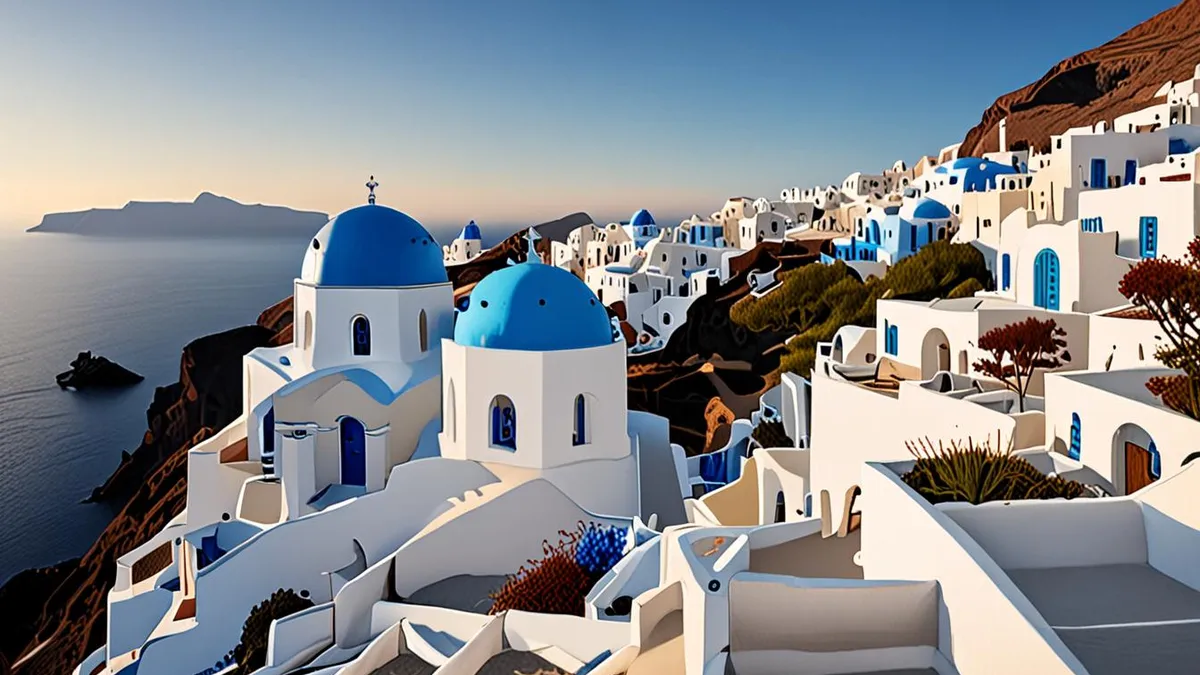
Santorini, Mykonos, Paros and Naxos are the headline names, and for good reason: caldera views, beach clubs and the classic white-and-blue postcard look. These islands are at their most glamorous in peak season, when every restaurant, beach club and boat trip is running at full tilt. The trade-off is wind. The meltemi blows strongest in July and August, and the Cyclades feel it more than anywhere else, which can mean flagged swimming days and the occasional delayed ferry. If you are set on the Cyclades in high summer, choose a villa with sheltered outdoor space and build flexibility into your ferry plans.
Crete, Rhodes and the Ionian alternative
Crete and Rhodes sit further south, which gives them a longer season and milder shoulder months. Villas there tend to open earlier in spring and stay comfortable later into October, making them a smart pick for May, June or September trips when you still want reliable warmth. The Ionian islands — Corfu and Kefalonia among them — play a different role entirely. Their landscapes are greener, their seas are generally calmer, and they make an excellent choice when the Aegean is windy. If your dates are fixed to mid-summer and you dread the idea of a meltemi ruining beach days, looking west rather than east is one of the simplest fixes in Greek villa planning.
Matching Your Villa to Your Trip Style
Once you have settled on a season, the next question is who is traveling. Trip style changes both when you should book and what you should look for in a villa, and getting this right early saves the most money and stress.
Families with school-age children have the least flexibility: if you are tied to July and August, you are competing for the same limited stock as everyone else, at the steepest premiums of the year. Book at the very front of that 6-9 month window and prioritize the features that matter with kids — a private pool, generous indoor space and shaded terraces for midday heat. Couples and flexible travelers have the easiest path to savings. Simply shifting dates into June or September often secures a comparable villa for considerably less, with calmer towns thrown in as a bonus.
Groups face a different pressure: availability rather than price. Large villas with five or more bedrooms are rare, and they are the first properties to sell out for high summer. Confirm bedroom count, bed configurations and availability a full season ahead of your trip.
- Ask whether bedrooms are en suite or share bathrooms — this varies widely in large villas and matters a lot for groups of couples.
- Check if the villa offers a separate annex or independent apartment, which gives groups breathing room on a two-week stay.
- For family trips, look for fenced pools, shallow-entry pools or villas on single-level layouts if you are traveling with toddlers.
- Groups traveling in shoulder season should confirm which on-island services, such as private chefs or boat transfers, are still operating outside peak months.
Key Takeaways for Timing Your Greek Villa Booking
If you’re wondering when to lock in your Greek island villa for the best choice at a fair price, the short answer is: 6-9 months ahead for July or August stays, and 3-5 months out for a shoulder-season trip. Booking that far in advance means you get your preferred layout and location before the calendar fills up.
For the best overall balance of price, weather and calm, aim for June or September. And choose your island group with the season in mind, especially the meltemi winds that blow hardest in July and August across the Cyclades. Found this guide useful, or have your own timing tips? Leave a comment or share it with a friend planning their Greek escape.