Choosing the right time for a villa stay in the Algarve is trickier than it looks. Summer promises long beach days but also peak prices and packed sand, while winter is cheap yet too cool for many swimmers. Somewhere in between lies the sweet spot most travelers never quite pin down.
This guide breaks the year into clear seasons, showing what each one means for weather, crowds and villa rates. You’ll see when prices drop the most, which months suit private-pool villas best, and how each season shapes your daily plans, from boat trips to golf. By the end, you should know exactly which weeks match your budget and your idea of a perfect Algarve day.
Algarve Seasons at a Glance
The Algarve’s year splits neatly into three pricing tiers, and knowing where your dates fall is the first step to a smart villa booking. The difference between a July week and an October week can be hundreds of euros for the same property, so it pays to understand the rhythm before you start searching. Villas behave differently from hotel rooms here: because most are privately owned and rented as whole properties, the swings between tiers are sharper, and availability in the popular weeks can vanish surprisingly early.
High season is short but intense, the shoulder seasons stretch generously on either side, and the low season runs longer than many first-time visitors expect. Each tier attracts a different kind of traveler, and each comes with its own trade-offs between price, weather and atmosphere. Here’s how the three behave in practice:
- High season (late June to early September): expect the fullest beaches, the liveliest resort towns and villa rates at their yearly peak, so early booking matters most in this window.
- Shoulder seasons (April–May and late September–October): a reliable middle ground with mild, sunny days and rates typically 20–40% below summer levels, plus a calmer feel on the coast.
- Low season (November to March): quiet roads, open golf courses and mild daytime temperatures of 15–18°C, though some seasonal restaurants and beach bars close for the winter.
None of these tiers is objectively best; the right one depends on whether you prioritize swimming, savings or serenity. A family locked into school holidays will experience the Algarve very differently from a retired couple free to travel in November. Use the tiers as a starting filter, then match them to your villa style and itinerary, which the sections below cover in detail.
When a Villa Stay in the Algarve Is Cheapest
Villa prices in the Algarve swing more with the calendar than with the property itself. The same four-bedroom villa with a pool can cost dramatically less in February than in August, simply because demand collapses once the beach season ends.
The winter window
November to March delivers the lowest rates of the year. July and August prices are often 50–100% higher than these winter lows, which means flexible travelers can sometimes book a genuinely premium property, cliff-top views included, for what a modest villa costs in peak summer. Winter stays suit golfers, remote workers and anyone chasing quiet rather than swimming.
Timing your booking
Lead time matters almost as much as the dates themselves. For high season, book 6–9 months ahead to lock better rates and the widest choice; the best family villas near the coast are often gone long before spring. For shoulder months, booking 2–4 months ahead usually secures a good rate while still leaving room for deals.
If your dates are flexible, aim for May or October. These school-holiday-free months often unlock premium villas at mid-range prices, since owners price them well below their summer rates. This pattern holds across the region, and it’s the same logic behind the advice in our guide to when to reserve a Mediterranean villa for the best price. Check current availability early either way, as popular weeks move fast.
Summer Villas: Heat, Crowds and Sea Warmth
Summer is when the Algarve shows its postcard side, and villa living is at its most enjoyable: breakfast on the terrace, an afternoon in the shade of the pool and long, warm evenings outdoors. It’s also when the region is at its hottest and busiest, so it helps to know exactly what you’re signing up for.
Heat, sunshine and the sea
July and August bring daytime temperatures of 28–30°C and 11–12 hours of daily sunshine, so a villa with good shade, air conditioning and a decent pool stops being a luxury and becomes essential. The Atlantic is at its warmest in August, reaching around 21–22°C, which makes this the best month for combining beach swims with pool time at your villa.
Where the crowds gather
Coastal towns like Lagos and Albufeira are at their busiest in summer, with traffic, parking and restaurant waits all peaking. If you want the summer weather without the summer noise, look slightly inland: villas a short drive from the coast often offer more calm at similar prices, and you can still reach the beaches in minutes.
The practical fix is simple. Plan beach time for the morning before the midday heat, keep afternoons for the pool, and remember that even in August, a villa gives you space to retreat when the towns get overwhelming.
Spring and Autumn: The Sweet-Spot Months
If you want the Algarve at its most charming, aim for the edges of summer. April and May transform the countryside into a patchwork of wildflowers and green hills, while daytime weather stays warm enough for lunches on the terrace. The beaches and coastal towns feel relaxed, and villa rates run noticeably below the summer peak.
Late September and October are just as rewarding. The sea has had all summer to warm up, so swimming stays comfortable, yet the crowds thin out and villa prices ease back. This is when the region feels like it belongs to you again, from quiet mornings on the sand to unhurried dinners in town.
These months are also the most flexible for longer trips. A week or more in a villa becomes genuinely affordable, and the weather supports active days without the midsummer heat. If you need inspiration for what to see and do, this guide to the Algarve’s seaside secrets covers plenty of spots worth building an itinerary around.
- Golf conditions: The Algarve’s famous courses are in prime shape in spring and autumn, with firm fairways, green rough and tee times that are far easier to book than in July.
- Coastal hiking: The Seven Hanging Valleys trail and the cliffs around Sagres are far more pleasant in mild temperatures, and you can walk midday without seeking constant shade.
- Long-stay value: Booking a villa for ten days to two weeks in May or October often costs about the same as one peak-season week, giving you time for both beach days and inland exploring.
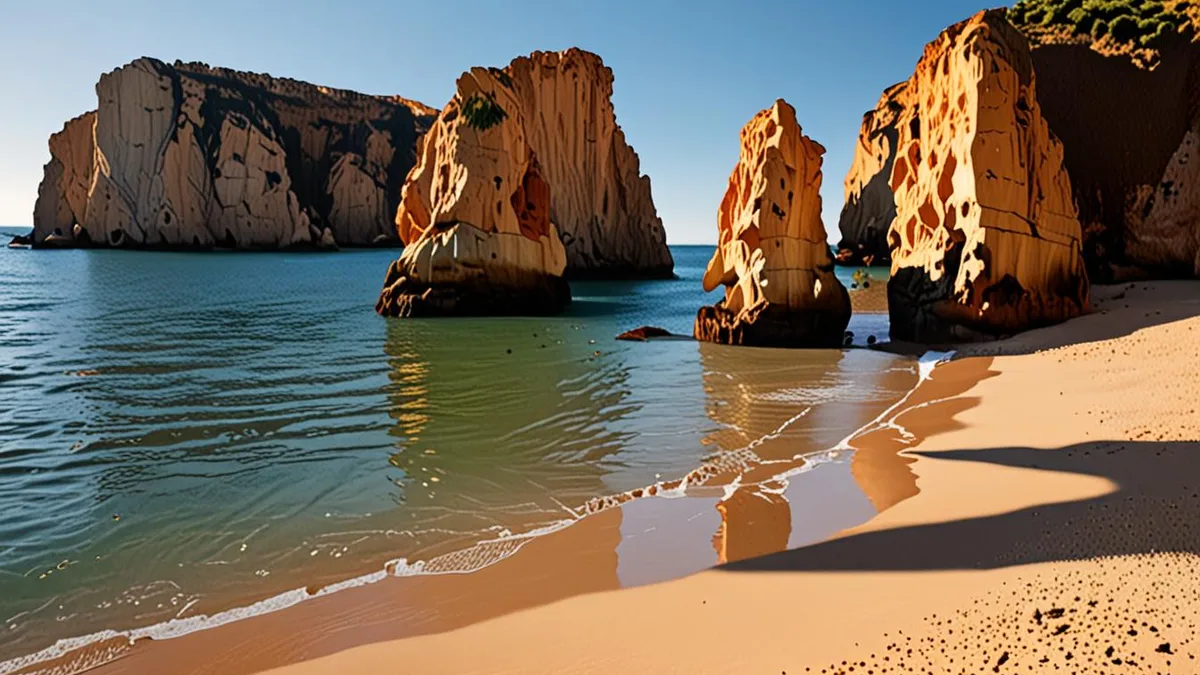
- Photography and sightseeing: Clear spring light and autumn’s golden evenings make the region’s cliff formations and whitewashed towns especially photogenic, with no crowds in your shots.
Matching the Season to Your Villa Type
The right season depends heavily on the villa you choose. Not every property works equally well year-round, so it pays to match the season to the type of place you are booking.
Pool villas and family homes
If a private pool is the heart of your holiday, book between May and October. That is when the sun does the heating for free, and long days mean you can swim from morning until late evening. Outside those months, unheated pools can feel chilly, so check whether heating is available and what it costs before committing to a cooler-season stay.
Large family villas close to the beach are the most expensive properties in the region during school holidays, when demand from families is at its highest. If your dates are flexible, late June or early September delivers nearly identical weather and beach conditions at a friendlier price, often with better availability at the biggest, best-located homes.
Winter escapes
Winter suits budget travelers who value quiet over swimming. Cliff-top villas with sweeping ocean views and countryside properties inland drop to the year’s lowest rates from November through March, and you get mild 15–18°C days for walking and sightseeing. Before you book, it helps to read up on what to expect from a villa with a private pool, since many features that matter in summer matter less in winter, and vice versa.
What Each Season Means for Your Daily Itinerary
Your villa is only half the equation; the season shapes what your days actually look like. Summer in the Algarve is glorious but intense, so smart planning makes the difference between a relaxing trip and a stressful one. Beach clubs, popular boat trips and even some restaurants fill up quickly in July and August, so book them weeks in advance rather than hoping for walk-in spots. Structure your days around the heat: hit the beach or a coastal walk in the morning while the air is fresh, then retreat to your pool or shaded terrace for lunch and a siesta during the hottest midday hours. Head back out in the late afternoon when the light softens and the crowds thin.
Shoulder season flips the script. With fewer visitors around, you can explore the region’s most famous sights without queuing, and days flow at an easier pace. You can often decide on excursions the evening before, and last-minute dinner reservations are far easier to land. Winter asks for a different mindset again, trading beach clubs for long lunches, golf rounds, museum visits and unhurried town strolls.
- Benagil and boat tours: In spring and autumn you can usually book a sea-cave trip a day or two ahead and still get a good departure time; in peak summer, morning slots often fill days in advance.
- Ria Formosa: The lagoon’s birdlife and walking paths are at their most pleasant outside summer, when cooler temperatures make boat trips and nature walks comfortable all day long.
- Coastal trails: The cliff-top walks between Lagos and Sagres are best tackled in the morning even in shoulder months, and pack a windproof layer as Atlantic breezes can be brisk.
- Winter evenings: Some restaurants in smaller resort towns close for the season, so base yourself near a main town like Lagos or Tavira where dining options stay open and golf courses keep the calendar busy.
The Takeaway
So, when should you book a villa in the Algarve? If you want the classic beach holiday with long, hot days and everything open, June to September is the villa season most people picture. The trade-off is peak pricing and the busiest beaches, especially in July and August.
For a better balance of warm weather, quieter surroundings and lower rates, May and October are hard to beat. If price is your priority, the cheapest stays fall between November and March, when rates often sit 50–100% below the summer peaks. Whatever you choose, booking 2–9 months ahead depending on the season gives you the widest choice and the best villa for your budget. Which season suits your trip? Leave a comment or share this article if it helped you decide.