Nestled amidst the serene landscapes of Japan, Kyoto has long been celebrated as the spiritual heart of the country. Beyond its bustling streets and traditional teahouses lies a network of sacred temples that invite visitors to pause, reflect, and immerse themselves in centuries-old rituals and tranquil gardens. For those seeking a spiritual retreat, the temples near Kyoto offer an enchanting blend of history, architecture, and meditative experiences that rejuvenate the mind, body, and soul. This journey is more than sightseeing; it is a pilgrimage into the essence of Japanese spirituality.
Kiyomizu-dera: Harmony with Nature
Perched on the hillside overlooking Kyoto, Kiyomizu-dera is a marvel of wooden architecture that seems to float above the city. The temple is famous for its vast veranda, offering panoramic views of cherry blossoms in spring and vibrant maple leaves in autumn. Visitors can partake in rituals at the Otowa Waterfall, where drinking from each of its three streams is believed to bestow longevity, success, or love. Walking through the temple grounds, the gentle rustle of leaves and distant chanting create an atmosphere of profound peace, making it a perfect starting point for a spiritual retreat.
Fushimi Inari Taisha: Path of Thousand Torii
A short journey from central Kyoto brings travelers to Fushimi Inari Taisha, a Shinto shrine renowned for its endless path of vermilion torii gates. Each gate, donated by individuals and businesses, symbolizes the sacred connection between humans and the divine. Walking through the torii-lined trails, visitors experience a meditative rhythm, as sunlight filters through the gates and the surrounding forest hums with life. The climb to the summit offers quiet moments of reflection, where the panoramic view of Kyoto unfolds like a living canvas, reminding pilgrims of the beauty and impermanence of life.
Kinkaku-ji: The Golden Pavilion of Tranquility
Kinkaku-ji, or the Golden Pavilion, is a Zen Buddhist temple that captivates with its shimmering reflection on the surrounding pond. The gilded exterior, set against meticulously landscaped gardens, embodies harmony and spiritual balance. Strolling along the stone pathways, visitors can observe koi fish gliding beneath the water’s surface and listen to the soft trickle of garden streams. Each corner of Kinkaku-ji is designed to inspire mindfulness, making it a sanctuary where one can disconnect from the rush of daily life and immerse in the serene aesthetics of Japanese spirituality.
Ryoan-ji: Contemplation in Minimalism
Ryoan-ji is famous for its Zen rock garden, an emblem of minimalistic meditation. The simplicity of the carefully arranged stones invites visitors to slow down and observe the subtleties of nature, fostering a meditative state of mind. The temple’s quiet ponds, moss-covered gardens, and traditional architecture create an environment that encourages introspection and inner calm. Spending time at Ryoan-ji is an exercise in mindfulness, where each moment becomes an opportunity to reflect, breathe, and appreciate the art of stillness.
Eikan-do Zenrin-ji: Autumnal Spirituality
Renowned for its breathtaking autumn foliage, Eikan-do Zenrin-ji provides a seasonal spiritual experience that is as visual as it is meditative. The temple’s pathways wind through maple trees, leading to serene halls and stone lanterns that echo centuries of devotion. Visitors often participate in silent meditation sessions or stroll quietly to absorb the interplay of light and color. This temple exemplifies the Japanese philosophy of “mono no aware”—a gentle awareness of the impermanence of beauty—inviting travelers to embrace mindfulness and serenity.
Q&A: Planning Your Spiritual Retreat
Q: Which temple offers the best experience for first-time visitors seeking meditation?
A: Kinkaku-ji and Ryoan-ji are ideal choices for newcomers. Kinkaku-ji’s tranquil gardens and reflective pond encourage relaxation, while Ryoan-ji’s rock garden provides a minimalist space for mindful contemplation.
Q: Are there guided tours available for these temples?
A: Yes, many temples offer guided tours, often led by monks or knowledgeable staff who share insights into history, rituals, and meditation practices. These tours can enrich your experience and deepen your understanding of each sacred site.
Q: What accommodations are recommended near these temples?
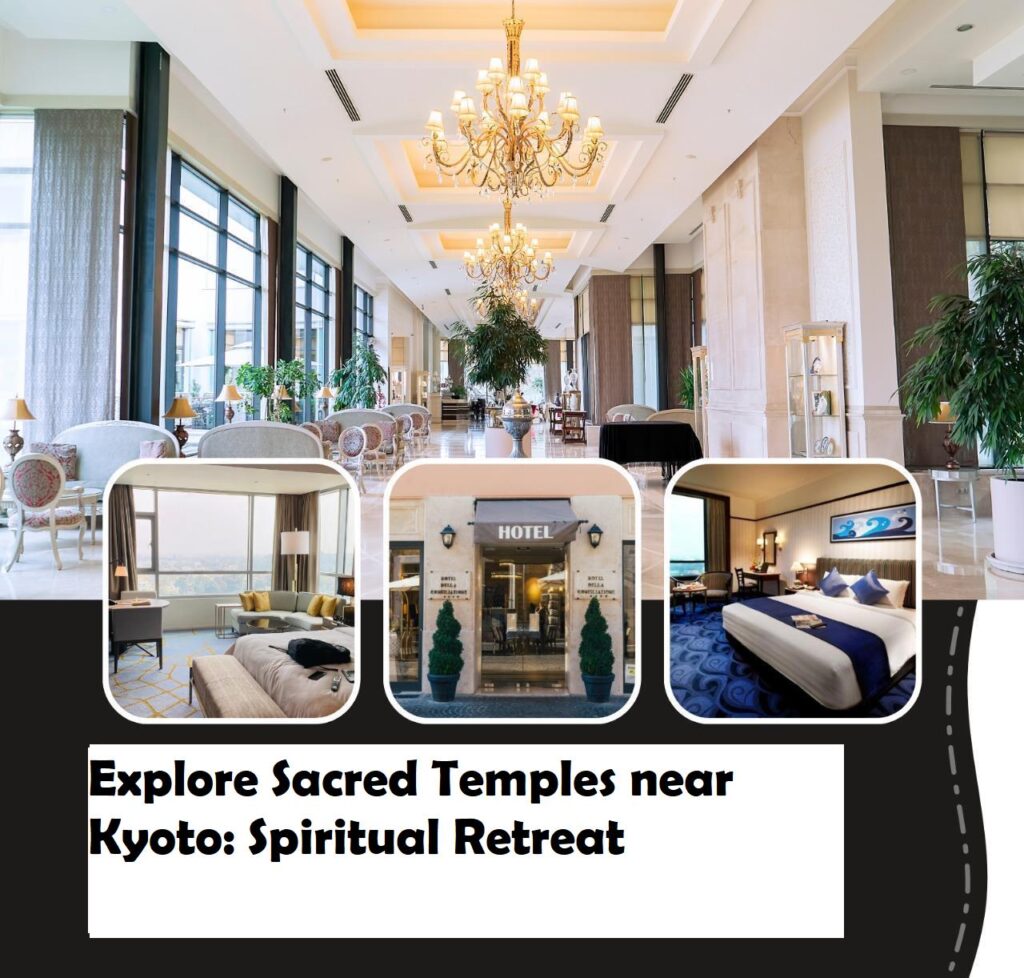
A: For a complete retreat experience, consider staying at boutique ryokans or luxury hotels that emphasize relaxation and cultural immersion. Some notable recommendations include:
- Hoshinoya Kyoto – A riverside retreat with traditional architecture and private garden villas.
- Suiran, a Luxury Collection Hotel – Nestled in Arashiyama, offering hot springs and views of the Katsura River.
- The Ritz-Carlton Kyoto – Blending modern elegance with Japanese tradition, close to central Kyoto temples.
Exploring the sacred temples near Kyoto is more than a journey through ancient sites; it is an invitation to step into a world of spiritual richness and mindful presence. From the torii paths of Fushimi Inari Taisha to the reflective waters of Kinkaku-ji, each temple offers a unique encounter with tranquility and contemplation. For travelers seeking a spiritual retreat, these temples provide a rare chance to slow down, connect with centuries-old traditions, and rediscover a sense of inner peace. Kyoto’s sacred temples are not just places to visit—they are sanctuaries where the spirit is nourished, and every step becomes a meditation, every view a moment of clarity.