Canada does two kinds of lodge trips exceptionally well, and choosing between them is harder than it sounds. Do you wake up to water lapping at a private dock, or to peaks glowing outside your window? A lakefront and mountain lodge offer completely different experiences, and the right answer depends on your season, budget and how you like to spend a day.
This guide breaks down what each lodge type really delivers, from swimming and paddling seasons to ski access and alpine trails. We’ll also compare costs, look at how easy each option is to reach, and walk through a simple way to match the setting to your travel style. By the end, you’ll know exactly which lodge fits your trip.
What a Lakefront Lodge in Canada Really Offers
A true lakefront lodge puts the water at your doorstep. You step off your deck onto private shoreline, where swimming, kayaking, canoeing and paddleboarding are all part of the daily routine. In most of Canada, that water season runs from June to mid-September, so timing matters more than anything else when booking this style of stay.
Where to find the classic lake settings
Ontario’s Muskoka lakes are the heart of Canadian cottage country, all granite shoreline, pine trees and slow afternoons on the dock. Farther west, the Okanagan Valley offers some of the warmest swimming water in the country, wrapped in vineyards and dry summer heat. For something completely different, Lake Louise delivers a glacier-fed turquoise lake framed by peaks — stunning to look at, though the water is far too cold for comfortable swimming.
What the best spots cost
The catch with lakefront stays is that the best rooms cost the most. Waterfront rooms and suites with private dock access command the highest rates in the market, often CAD 600-1,200+ per night in July and August. If your budget sits lower, look at lodges set slightly back from the shore — you’ll still get lake access, just not from your own doorstep.
What a Mountain Lodge in Canada Delivers
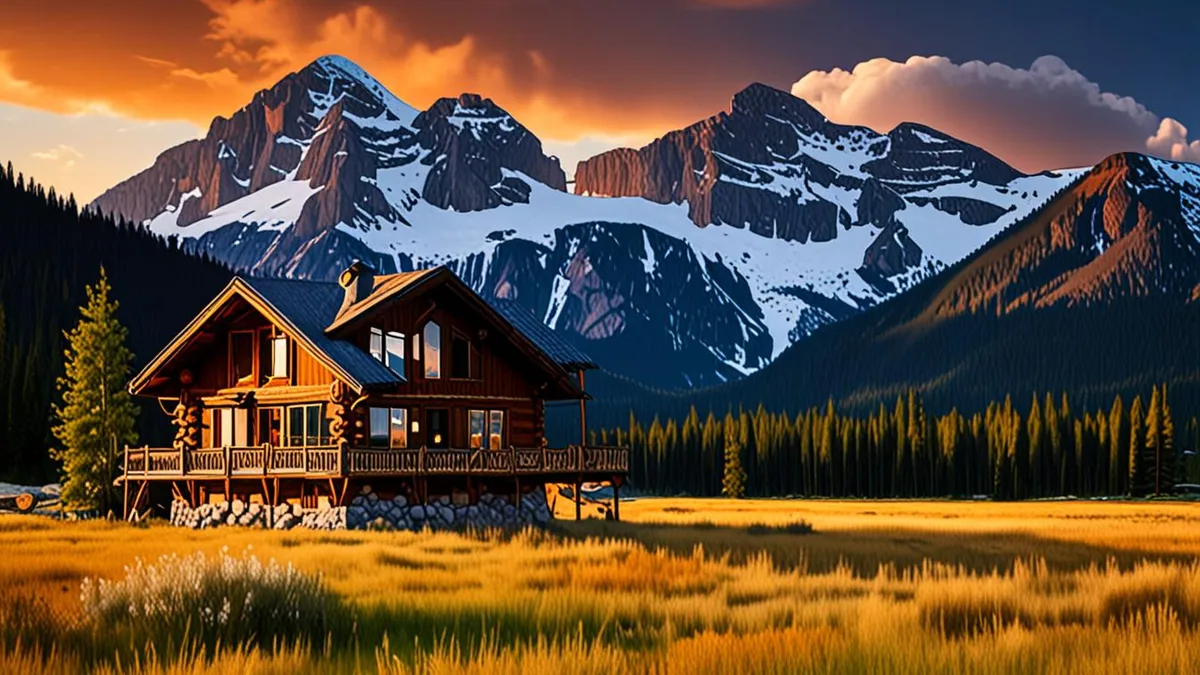
A mountain lodge trades the dock for drama. Instead of paddling at sunrise, you’re watching light move across peaks, and instead of a shoreline, you have trails and ski runs starting close by. In places like Banff and Jasper, lodges sit near trailheads for some of the best hiking in the Rockies, while Whistler is built around winter sports with genuine ski-in access at many properties.
What surprises first-time visitors is that mountain lodges have two distinct high seasons, not one. December to March draws skiers and snowshoers, while June to September brings hikers chasing alpine meadows and turquoise lakes. That means you can book the same lodge for two very different trips — a powder-focused winter escape or a long-days-on-the-trail summer adventure. For a closer look at what a Rockies stay feels like, this look at mountain grace at a Canadian Rockies sanctuary captures the atmosphere well.
What to expect from the weather
Alpine settings deliver dramatic views year-round, but elevation comes with conditions you need to plan for. Evenings run cooler than you’d expect, even in midsummer, and mountain weather changes fast — a sunny morning can turn to rain or cloud by afternoon. Pack layers no matter the season, and build some flexibility into hiking plans.
The reward for handling the changeability is scenery that water settings simply can’t match: glaciers, ridgelines and valleys right outside your window. If you’re pairing a mountain stay with time by the water, keep in mind that lake season in most of Canada runs roughly June to mid-September, with water temperatures of 15-20°C in July and August — so a summer itinerary can realistically cover both.
Matching the Season to Your Lakefront and Mountain Lodge Choice
Season is the single biggest factor in this decision, because it effectively rules one option in or out. Summer, from June to September, is the only realistic window for swimming and water sports at lakefront lodges. Outside those months, the water is simply too cold for most travelers, and the whole lakefront experience loses its appeal.
Why winter points you to the mountains
Winter, from December to March, strongly favours mountain lodges. Skiing, snowboarding and snowshoeing are in full swing, and mountain villages hum with activity. Most lakefront lodges, by contrast, quiet down dramatically or close entirely for the season — docks come out of the water and many properties operate on reduced hours or shut until spring.
The case for the shoulder months
If your dates are flexible, consider May, late September or October. These shoulder months often cut lodge rates by 20-40% at both lakefront and mountain properties, and you’ll share the trails, docks and dining rooms with far thinner crowds. You trade some of the peak-season experience — warm swimming water or reliable powder — for better prices and a calmer atmosphere. For many travelers, that’s a trade worth making, especially if your trip is more about scenery and relaxation than a specific activity.
Budget: What Each Lodge Type Costs
Budget is where the two lodge types start to look surprisingly similar — and then diverge quickly. A standard room at either a lakefront or a mountain lodge sits in the same general price band, but the moment you upgrade, the premiums differ. At a lakefront property, you are paying for the water itself: a room steps from the dock, a private stretch of beach or a lakeside patio. At a mountain lodge, the extra cost usually buys panoramic views and direct ski or trail access rather than water frontage.
Timing matters just as much as room category. Summer lakefront properties are the least forgiving when it comes to availability: many sell out well over half a year ahead for July and August, especially for their best-facing rooms. If you have your heart set on a specific waterfront room in peak season, treat the booking like a flight, not a hotel. Mountain lodges tend to offer a little more flexibility, simply because they have two distinct high seasons instead of one. For a sense of how niche lodge pricing works, it helps to read about what a treehouse lodge stay really costs in 2025, since the same early-booking logic applies.
A few pricing quirks are worth knowing before you commit:
- Weekday vs. weekend pricing: lakefront lodges in cottage country often charge noticeably more for Friday and Saturday nights, so a midweek stay can stretch your budget considerably further.
- Package deals: mountain lodges frequently bundle lift tickets, equipment storage or guided hikes into room rates, which can offset a higher nightly price compared with paying for activities separately.
- Minimum-stay rules: some summer lakefront lodges require two- or three-night minimums on peak weekends, effectively raising the total cost of a short trip.
- Shoulder-season value: shifting your dates just outside the peak window can mean the same room you wanted in high season, at a noticeably gentler rate and with thinner crowds.
Location and Access Logistics
Getting to your lodge shapes the whole trip, so match the property to your arrival city before you fall in love with a photo. Muskoka sits about 2-2.5 hours by car from Toronto, which makes it an easy add-on to an Ontario trip. Banff is about 1.5 hours from Calgary, so a Rockies lodge pairs naturally with a flight into that airport. Working backwards from your flight is the simplest way to avoid a long, tiring transfer at either end.
Car dependency and winter access
Lakefront lodges are usually car-dependent. Many sit down gravel roads or private lanes, and winter access can be limited or impractical, which is one reason so many of them wind down after the water season. A rental car is essentially a given for a Muskoka or Okanagan lake stay, and you should confirm road access with the lodge if you are traveling outside summer.
Mountain hubs work differently. Banff and Whistler both have shuttle and public transit options from nearby airports and within the towns themselves, so you can often skip the rental car entirely if you are staying in the village. That said, trailheads outside the main corridors still usually require a vehicle or a tour.
Seclusion versus walkability
The real trade-off comes down to what you want at your doorstep. A remote lake setting gives you quiet water, dark skies and genuine seclusion — but few or no restaurants nearby, so plan to cook or eat at the lodge. Mountain villages offer restaurants, cafés and shops within walking distance, which makes evenings easy, especially in winter when you do not want to drive on snowy roads. Decide which of those two evenings sounds better, and your lodge type almost chooses itself.
How to Decide Between a Lakefront and Mountain Lodge
By now the trade-offs are clear, but turning them into a decision is easier with a simple process. The right answer depends less on which lodge type is “better” and more on when you are traveling and what your days should actually look like. A couple who picture slow mornings on a dock will reach a different conclusion than a group chasing ski runs or alpine trails, even with identical budgets. Work through the steps below in order and the choice usually becomes obvious before you reach the end of the list.
- Fix your travel dates first. If your trip falls between June and mid-September, both options are open to you. If it falls between December and March, a lakefront lodge is realistically off the table, since most quiet down or close for winter.
- Name your main activity. Swimming, kayaking, canoeing and paddleboarding point straight to a lakefront lodge. Skiing, snowshoeing and alpine hiking point just as clearly to a mountain lodge near Banff, Jasper or Whistler.
- Decide how much driving you want. If you would rather not rent a car, a walkable mountain village with transit and shuttle options beats a car-dependent lake road every time. Remote lake settings trade convenience for seclusion, so be honest about how much solitude you actually enjoy.
- Check who is traveling. Couples and families often prefer lakefront lodges in July and August, when calm water and dock days suit relaxed routines. Adventure travelers and winter visitors fit the mountain-lodge rhythm best.
- Match your budget and booking window. If you are booking late for peak season, your realistic options may already be narrowed for you — summer lakefront lodges often sell out more than half a year ahead.
Run your trip through these five steps honestly and you will rarely pick wrong. A traveler who cannot name a preferred activity usually benefits from choosing the season first and letting it dictate the lodge type. Whichever way you lean, book early for high season, keep your dates flexible if you can, and the setting you choose will do the rest of the work for you.
Wrapping Up Your Lodge Decision
So which is it: water at your doorstep or peaks outside your window? If you picture swimming, paddling and slow cottage-country afternoons during the warm months, a lakefront lodge is the natural fit. If you want skiing, alpine hiking or a walkable village base — especially in winter, when most lakefront lodges quiet down — a mountain lodge in the Rockies or at Whistler will serve you better.
Think about how you actually like to travel, too. Do you want the seclusion of a quiet shoreline, where the day revolves around the dock and the water? Or would you rather step out your door into a mountain village with restaurants, shops and lift or trail access nearby? Neither answer is wrong; they simply suit different trips and different travelers.
One practical tip ties it all together: match the setting, the season and the access to your travel style, and the right lodge follows almost automatically. Couples and families chasing summer water time tend to lean lakefront, while adventure travelers and winter visitors usually land on the mountain side. If this helped you sort out your own decision, leave a comment or share the article with a travel partner.