Booking a maldives resort sounds simple until you hit one question: do you pay the premium for an overwater villa, or save with a beach bungalow? It is the single biggest decision you will make, and it shapes your budget, your daily routine and how you experience the lagoon. The price gap between the two can be substantial, and the right answer depends on more than just romance or Instagram photos.
This guide breaks the choice down piece by piece. We compare what each stay type actually offers, look at how the season and weather should influence your pick, and put real numbers on the price difference. We also cover booking timing, island location and house reef quality, and how to match your stay to your travel style. By the end, you will know exactly which option fits your trip, whether that is a honeymoon over the water or a family base on the sand.
Overwater Villa vs Beach Bungalow: What Each Really Offers
Overwater villas are the image most people carry of the Maldives: a thatched roof over turquoise water, steps or a ladder leading straight into the lagoon, and a private sun deck where you can swim, snorkel or simply dangle your feet. Many also feature glass floor panels that let you watch fish pass beneath you without getting wet. The trade-off is that these villas usually sit 100-300 meters offshore, connected to the island by a jetty, so you are trading convenience for the view.
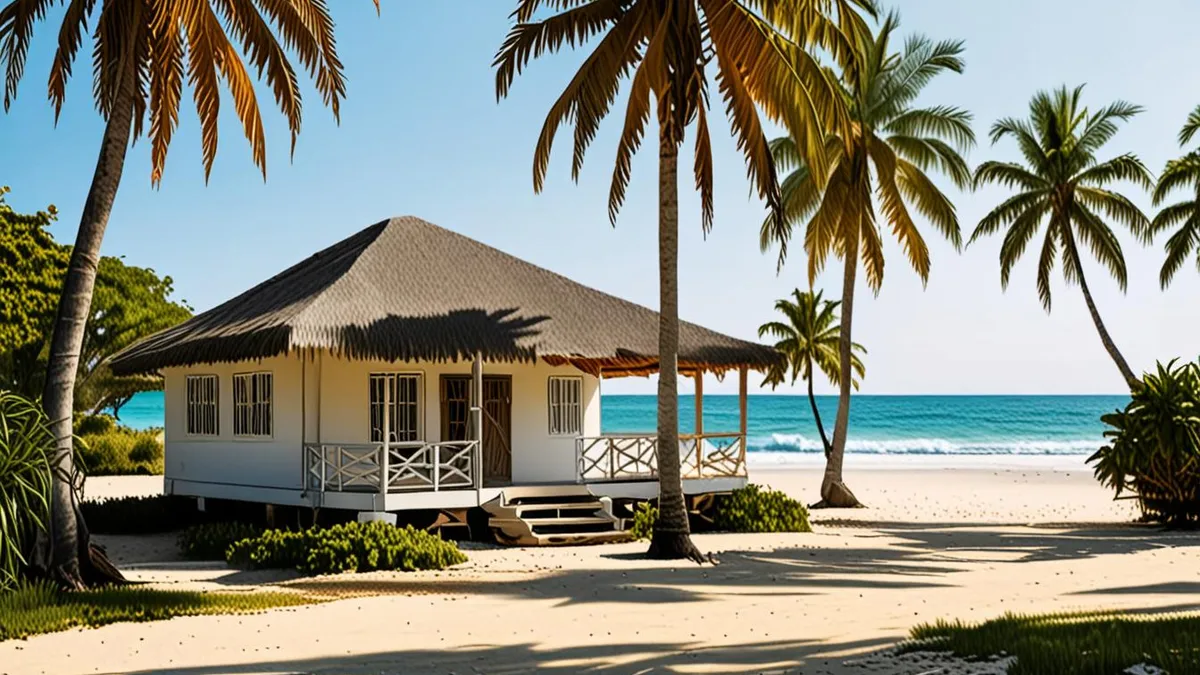
Beach bungalows work differently. You step out of your room and onto the sand, with natural shade from palms overhead and restaurants, pools and other facilities just a short walk away. They typically offer 20-40 square meters more space than an overwater villa at a similar price point, which matters more than you might think once luggage, a cot or a stroller enters the picture.
Which one fits your trip?
Overwater villas suit honeymooners and confident swimmers who plan to spend hours in and around the lagoon. Beach bungalows suit families with small children, who need room to spread out and safer, easier access to the island. They also suit guests who want shade and space rather than a sun-baked deck. Neither option is better in absolute terms; the question is how you actually plan to spend your days.
How Season and Weather Change Your Maldives Resort Choice
The Maldives has two distinct seasons, and they should shape your villa choice as much as your travel dates. From November to April, the weather is dry and sunny, with calm seas and reliable sunshine. This is when overwater villas shine, because the decks and lagoon ladders get daily use and there is little to interrupt your time on the water.
The wet season trade-off
From May to October, rain and wind become part of the picture. Showers can be heavy but often pass quickly, yet a wide-open sun deck over the water loses its appeal when the sky is gray and the breeze picks up. A shaded beach bungalow is simply more practical in these months: you have cover from the palms, more indoor-outdoor space to relax, and easier access to covered restaurants and facilities. As a bonus, rates in the wet season typically run 20-40% lower, which can soften the blow of an occasional rainy afternoon.
The shoulder-month sweet spot
If you want a compromise, look at the shoulder months of April and November. These sit on either side of the high season and often combine good weather with noticeably softer prices. You may still get plenty of deck time on an overwater villa while paying less than peak-season rates. Check the forecast trends for your specific dates before committing, since conditions vary from year to year.
Budgeting: What the Price Gap Really Looks Like
The price gap between the two stay types is real, and it is worth understanding before you fall in love with a villa photo. At the same resort, expect overwater villas to cost 30-60% more than beach bungalows. Across the market, resorts span from roughly $400 per night at the budget end to $3,000+ for ultra-luxury overwater suites, so the same percentage gap can mean very different amounts depending on where you book. A 40% premium on a $400 room is manageable; the same premium on a top-tier suite can add hundreds of dollars per night. Decide your overall nightly budget first, then work out what the villa upgrade would cost within it.
Transfers are the cost most travelers forget to budget. Your resort’s location determines whether you arrive by seaplane or speedboat, and both come at a price. Seaplanes cost roughly $300-600 per person round trip, while speedboat transfers run $100-250 per person. On a trip for two, that difference alone can approach the cost of an extra night or two, so weigh it before choosing a distant island. Check whether your resort bundles transfers into the room rate, as some do for longer stays, and always confirm current pricing with the resort or your booking operator before you commit.
- Meal plans change the math: resorts on distant atolls often sit far from any alternative dining, so a full-board or all-inclusive plan can prevent surprise restaurant bills from inflating your total.
- Per-person transfer pricing adds up fast: a family of four flying in by seaplane will pay several times what a couple arriving by speedboat pays, which can tilt the budget toward a closer island.
- Luxury tier matters more than villa type: the gap between a $400-per-night resort and a $3,000+ one is far wider than the 30-60% villa premium, so choosing the right resort tier first narrows your options sensibly.
When and How to Book for the Best Rates
Timing your booking matters almost as much as choosing the right villa type. In the Maldives, the price gap between booking early and booking late can be dramatic, and it works differently depending on the season you are targeting.
Booking high season: plan far ahead
For stays between November and April, book 6-11 months ahead. This is the dry season, when the weather is at its best and demand peaks. Overwater villas sell out first, because they are the most photogenic and the most requested room type on almost every island. If you wait until three months before a December or February trip, you may find only beach bungalows left, or overwater villas at inflated rates.
Low season: flexibility pays
For May to October travel, the rules flip. Booking 2-3 months ahead often unlocks last-minute discounts, as resorts work to fill rooms during the wetter months. If your dates are flexible, watch for promotions and be ready to book when a good rate appears.
Meal plans deserve close attention either way. Full-board or all-inclusive bundles can effectively offset the price gap between an overwater villa and a beach bungalow, since food and drinks at Maldivian resorts are expensive when paid separately. Compare the total cost of villa plus meal plan across room types before deciding, and ask your booking platform or the resort directly about current package deals.
Location and House Reef: Picking the Right Island Setting
Where your resort sits in the archipelago shapes both your transfer experience and what you can do from your villa. The Maldives stretches across many atolls, and the distance from Malé’s international airport determines how you arrive and how much that arrival costs.
Resorts on atolls closer to Malé are typically reached by speedboat, which is quicker and cheaper. Distant atolls require a seaplane ride, which adds both cost and travel time to your journey, sometimes with a wait at the seaplane terminal. Factor this into your budget from the start, because transfer fees are per person and can meaningfully change the total price of two similar-looking resorts.
Location also affects what happens at your doorstep. Beach bungalows positioned on the outer shore of an island often face the best house reefs, letting you snorkel straight from the sand without a boat trip. Overwater villas, meanwhile, usually sit over shallow lagoons around 1-2 meters deep, which is ideal for relaxed swimming and wading rather than reef encounters.
- Outer-shore bungalows: these face the open ocean side of the island, where house reefs tend to be healthiest, so you can step off the sand and be snorkelling within minutes.
- Lagoon-side overwater villas: the calm, shallow water below your deck suits guests who want easy swimming and a ladder into the sea, but expect fewer fish and coral directly beneath you.
- Reef proximity checks: if snorkelling is a priority, ask the resort or your travel agent how far the house reef sits from each room category, since the same island can offer very different underwater access from different sides.
Matching the Stay Type to Your Travel Style
The right room type depends less on the resort and more on who is traveling. The same island can be perfect for a honeymoon couple and frustrating for a family of four, simply because of where they sleep at night. Matching your room to your travel style is one of the easiest ways to get more out of your stay without spending more.
Couples: chase the overwater villa, just not in peak season
Honeymooners and couples get the most value from an overwater villa booked in low season. Between May and October, rates soften considerably, and you can experience the classic lagoon-villa lifestyle at a fraction of high-season cost. Yes, you may see some rain, but a private deck with direct sea access still delivers the romance you came for, and the savings can fund a longer stay or a nicer meal plan.
Families: space wins
Families and guests planning longer stays benefit from beach bungalow space and lower nightly rates. A bungalow gives you noticeably more floor area than an overwater villa at a comparable price, which matters enormously when you are managing children, beach toys and nap schedules. Direct beach access, natural shade from palms and a short walk to restaurants make daily life simpler than repeated trips along a jetty with sandy, sleepy toddlers in tow.
If you are a first-time visitor torn between the two, consider mixing your stay. A few nights in an overwater villa followed by a few in a beach bungalow gives you both experiences in one trip. Many resorts accommodate split stays, and it is a practical way to discover which style suits you for future visits. Just remember to mention the split when you book, since not every resort can move you mid-stay during busy periods.
Finding Your Perfect Maldives Resort
So which is it: an overwater villa or a beach bungalow? There is no universal answer, because the right choice depends on your season, budget and travel style. If you are honeymooning in the dry months of November to April and can absorb the 30-60% premium, an overwater villa will likely be the trip of a lifetime. If you are traveling with kids, need extra room, or want better value, a beach bungalow is usually the smarter pick.
Timing matters as much as the villa itself. Book 6-11 months ahead for high-season stays, stay flexible for low-season deals, and weigh transfer costs before committing to a distant atoll. Match the stay type to how you actually travel, and you will rarely regret your choice. Have you stayed in one or the other? Share your experience in the comments or pass this along to someone planning their Maldives trip.