You’ve seen the photos a hundred times: a thatched villa on stilts, a ladder dropping straight into turquoise water, fish swimming below your glass floor. The dream feels within reach until you start googling prices and find everything from $400 to $4,000 a night. Which is it? The honest answer is that the overwater lodge or villa cost in 2025 spans an enormous range, and the final number depends on where you go, when you book and what kind of villa you choose.
This guide breaks the pricing down into pieces you can actually plan around. We’ll cover the global baseline for 2025, compare rates by destination from the Maldives to Southeast Asia, show how season and timing move the price, and share booking windows that get you the best rate. We’ll also flag the hidden costs that catch travelers off guard and help you pick the right villa for your budget, so you know what a realistic total trip will run you before you click reserve.
What an Overwater Lodge or Villa Costs in 2025
So what does sleeping over the water actually cost in 2025? The global baseline is wider than most travelers expect. Entry-level overwater rooms, typically found in Southeast Asia and at simpler Caribbean properties, start near $250-$600 per night. At the other end, flagship resort villas in places like the Maldives and Bora Bora reach $2,500+ per night, especially for large units with pools and butler service.
What drives the price up or down
Four factors matter most. Destination comes first: the same category of villa can cost several times more in the Indian Ocean than in Southeast Asia. Villa size is next, since bigger floor plans with separate living areas command a premium. Private pool access adds a meaningful jump in rate, often several hundred dollars per night. Finally, whether the resort is all-inclusive changes the math entirely, because a high nightly rate may bundle meals and drinks that you’d otherwise pay for separately.
Think per villa, not per person
Most overwater villas sleep just 2-3 guests, which shapes how you budget. Couples pay for the whole villa anyway, so the per-person cost can feel reasonable. Families are the tricky case: with two adults and two kids, you often need two units or a larger residence, effectively doubling the nightly rate. Check sleeping configurations carefully before assuming one villa covers your group, and ask whether children stay free or count toward occupancy.
Price Ranges by Destination
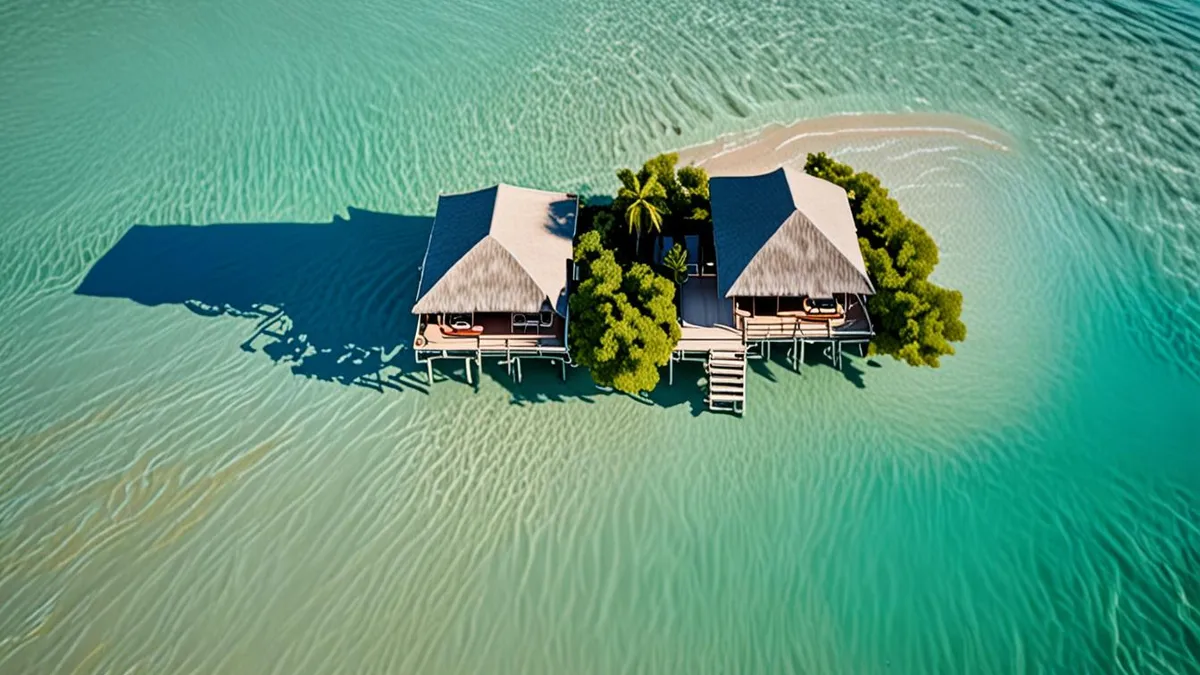
Where you go matters more than almost any other decision. The same overwater experience, a villa on stilts with a private deck and direct lagoon access, can cost several times more in one region than another. Distance from major airports, local labor costs and the level of polish each destination offers all play a role. Before you fall in love with a photo, it pays to understand what each region typically charges and what you get for that money. Here’s how the main overwater destinations compare for 2025, based on the ranges travelers are currently seeing.
- Maldives: Expect nightly rates from $800 upward, with the widest choice of overwater villa styles anywhere, from compact sunset studios to sprawling two-bedroom retreats with infinity pools and slides straight into the lagoon. At the top end, the Maldives reaches the highest prices of any region on this list.
- French Polynesia: Bora Bora and Tahiti villas run $700-$2,000 per night, and many come with dramatic views of Mount Otea or green lagoon islands included in the setting itself, the kind of scenery you would pay extra for elsewhere.
- Caribbean (Mexico, Belize, St Lucia): Rates of $600-$1,800 per night, with the big advantage of shorter flights from North America, meaning less travel time, no jet lag and lower airfare than the Indian Ocean.
- Southeast Asia (Philippines, Cambodia): The most budget-friendly overwater options at $250-$600 per night, often at smaller, simpler lodges where you trade butler service for raw scenery and quiet lagoons.
So which region fits you best? The Maldives suits travelers who want polish and variety; you can compare dozens of resorts across different atolls, each with its own house reef and dining scene. French Polynesia trades some of that variety for dramatic scenery, and if you want a closer look at what a Tahiti-area stay actually feels like day to day, this Tahiti overwater retreat guide walks through the experience in detail. The Caribbean wins on convenience for American and Canadian travelers who would rather spend a few hours in the air than a full travel day. Southeast Asia is where first-time overwater travelers can try the experience without committing to a five-figure budget, and many find the simpler lodges deliver the same sunrise swims and glass-floor moments. Check current rates with each resort before booking, since prices shift with season and villa type.
How Season and Timing Change the Price
The villa you book in January and the identical villa you book in November can differ in price by half. Season and timing shape your final bill as much as the destination itself, and unlike location, timing is entirely in your control.
High season: beautiful and expensive
High season runs December through March, when weather across most overwater destinations is at its driest and calmest. That demand comes at a cost: rates run 30-50% above shoulder season for the same villa. If you’re set on those months, book 6-9 months ahead, because the best-oriented overwater villas sell out first and the remaining inventory gets pricier as dates approach.
Shoulder season and holiday weeks
The shoulder months of May-June and October-November offer the same villas at noticeably lower rates, often with still-good weather and quieter lagoons. In these windows, 2-3 months of lead time is often enough to secure a good villa. The one trap to avoid is holiday weeks: Christmas and New Year push even mid-range resorts into peak pricing, sometimes on top of minimum-stay requirements. If your dates are flexible by even a week or two, shifting out of a holiday block can save more than any loyalty discount ever will.
The same logic applies to other dream accommodations, by the way. If you’re weighing a jungle alternative, this treehouse lodge cost guide shows how season and lead time move prices in a very similar way.
When and How to Book for the Best Rate
Timing your booking matters almost as much as choosing the destination. For high-season travel between December and March, the smartest move is to reserve well in advance. During these months, resorts in the Maldives and French Polynesia see their best overwater villas — the ones with the largest decks, the best sunset orientation and the most private stretches of lagoon — sell out first. If you wait until autumn to book a January stay, you will often be choosing from the leftover inventory at peak prices.
Shoulder season gives you more flexibility
Travel in the quieter stretches of May-June or October-November and the pressure drops considerably. A couple of months of lead time is often enough to secure a good villa at a noticeably lower rate, and some travelers even find availability a few weeks out. The trade-off is weather risk in some destinations, but the savings on the same villa can be substantial compared to high-season pricing.
Finally, pay close attention to package rates. Many resorts bundle seaplane or speedboat transfers into a nightly or multi-night package, and these transfers otherwise add hundreds of dollars to your bill. Compare the total cost of a package against the room rate plus transfers booked separately — the bundled option frequently wins, especially in destinations like the Maldives where a seaplane ride is the only practical way to reach the resort.
Hidden Costs Beyond the Nightly Rate
The nightly rate is only the starting point of your overwater villa budget. On private resort islands, you cannot simply walk to a local restaurant or supermarket, so meals, drinks and activities all flow through the resort itself. A realistic rule of thumb is to budget $150-$400 per person per day for these extras, depending on how much you dine, drink and book excursions. For a couple staying a week, this side of the budget can end up matching the room rate itself, so it deserves the same planning attention.
Transfers are the other line item that surprises first-time bookers. In the Maldives, reaching a distant resort typically requires a seaplane; in Bora Bora, a boat transfer from the airport. Either way, the cost is per person and is rarely included in the base rate unless you book a package that bundles it in.
- Seaplane or speedboat transfers typically add a few hundred dollars per person round trip, with the higher end applying to resorts located far from the main airport hub.
- Spa treatments, snorkeling trips, sunset cruises and diving excursions are priced individually and can easily add $100 or more per activity per person.
- Premium drinks and wines at overwater bars often carry resort-level markups, so a couple who enjoys cocktails at sunset should plan for a meaningful daily drinks budget.
- Some resorts charge a mandatory transfer fee or environmental levy at checkout that is not shown in the headline nightly rate, so ask before booking.
If you plan to dine and drink at the resort every day anyway, an all-inclusive plan can lower your total spend and simplify budgeting. Run the math honestly before you commit: if the plan costs roughly what you would otherwise spend on meals, drinks and a couple of activities, it also removes the risk of a painful final bill at checkout.
How to Choose the Right Overwater Villa for Your Budget
Not all overwater villas are created equal, and two units at the same resort can differ sharply in what you get for your money. Before paying a premium, compare the details that actually shape your stay: villa orientation, deck size and direct lagoon access. A sunset-side villa delivers golden evening light and dramatic views, while a sunrise-side unit often costs less and suits early risers who want calm mornings. A larger deck with lounge space, a private pool or steps straight into the lagoon can matter more day to day than an extra few square meters indoors.
All-inclusive or a la carte?
Your choice between an all-inclusive resort and an a la carte stay should follow from how many days you plan to spend on-island. On a short three-night trip where you will eat every meal at the resort, a plan that bundles food and drinks usually simplifies budgeting and can reduce total cost. On a longer stay, or at resorts near local restaurants and towns, paying per meal may work out cheaper and gives you more variety.
Families face an extra constraint: standard overwater villas usually sleep only 2-3 guests. Before you fall in love with a resort, check whether connecting villas or larger residences are available, since many family setups require booking two separate units side by side. That doubles the nightly cost, so it belongs in your budget from the start. For inspiration on what a well-designed island stay can feel like, see how a Seychelles retreat blends villa comfort with island charm.
Wrapping Up Your Overwater Stay Budget
So, is an overwater stay a $400 night or a $4,000 one? The honest answer in 2025 is that it can be either. Overwater lodges and villas range from about $250 to $2,500+ per night depending on where you go, with Southeast Asia at the low end and flagship Maldives and French Polynesia resorts at the top.
Two things can swing the total just as much as the villa itself. First, the season you pick, since high-season dates can run 30-50% above shoulder-season rates. Second, your booking lead time, which works best somewhere between 2 and 9 months depending on when you travel. Don’t forget the extras either: transfers and daily costs of roughly $150-$400 per person turn a $600 villa into a much bigger trip total. Build your budget around all three numbers and there won’t be any surprises at checkout. If this helped you plan, share it or drop a comment below.