You’ve saved the photos, watched the drone videos, and pictured yourself stepping off your deck into a turquoise lagoon. But when you start searching for an overwater villa in the Maldives, the prices seem to make no sense at all: one night costs $400, another $4,000, and nobody explains why. That gap is exactly what this article settles.
Below, you’ll find what overwater villas actually cost in 2025, from entry-level bungalows to flagship luxury resorts, and how the season can swing your rate by 20-40%. We’ll break down what drives the price tag, the hidden costs beyond the nightly rate, and when and how to book for the best deal. You’ll also get an honest comparison against beach villas, plus a quick budget summary to plan your 2025 trip. By the end, you’ll know exactly which price range fits your trip.
What an Overwater Villa in the Maldives Costs in 2025
The good news is that an overwater villa is no longer only for honeymooners with unlimited budgets. In 2025, the market spans three clear tiers, and knowing where you fit makes planning much easier. Entry-level overwater villas at 3-4 star resorts run roughly $400-700 per night, mid-range 5-star resorts charge about $800-1,500 per night for a standard villa, and top-tier luxury resorts with private pools and butler service start around $2,000 and climb past $5,000 per night.
One detail catches many travelers off guard: these prices are per room for two adults. Adding a third adult or children to the same villa increases the total noticeably, since resorts charge extra for additional beds, meals and transfers. Before you commit, check exactly what your quoted rate includes, because two resorts at the same price point can offer very different value.
It also helps to remember what that nightly rate actually buys you. Most overwater villas sit on private resort islands, typically 30-60 minutes by seaplane or speedboat from Malé, so your booking covers an entire island experience rather than just a room. The trade-off is that once you arrive, your options for eating out or exploring are limited to what the resort offers, which is why the villa tier you choose shapes your whole stay.
- Entry-level ($400-700 per night): usually compact bungalows on 3-4 star islands, often with simpler furnishings and a shared or basic deck, but with the same lagoon access as pricier options.
- Mid-range ($800-1,500 per night): standard overwater villas at 5-star resorts, typically with a larger deck, outdoor shower or small plunge pool, and more polished dining nearby.
- Top-tier ($2,000-5,000+ per night): spacious villas with private infinity pools, dedicated butler service, and extras like in-villa dining or sunset cruises arranged by the resort.
How the Season Changes Your Price
The single biggest lever on your nightly rate is not the resort you choose but the dates you travel. The Maldives has two very distinct seasons, and the difference shows up directly on your invoice.
Peak season: December to April
From December to April, the weather is dry and sunny, and the resorts know it. This is peak season, with the highest nightly rates of the year. Around Christmas and New Year, many resorts also apply minimum-stay rules, so even if you find availability, you may be required to book five or more consecutive nights. If your heart is set on a festive-week villa, expect to pay top rates and plan well ahead.
Green season: May to November
From May to November, rates drop by roughly 20-40% for the same villa. Yes, there are short tropical showers, but they typically pass quickly rather than ruining whole days. Resorts also run occasional promotions during this period, such as free nights or complimentary transfers, which can push the effective price down even further.
For the best balance of price and weather, aim for the shoulder months of May-June or October-November. You get mostly good conditions with green-season pricing, which is why savvy repeat visitors book these windows first.
What Drives the Price Tag: Villa Type and Resort Tier
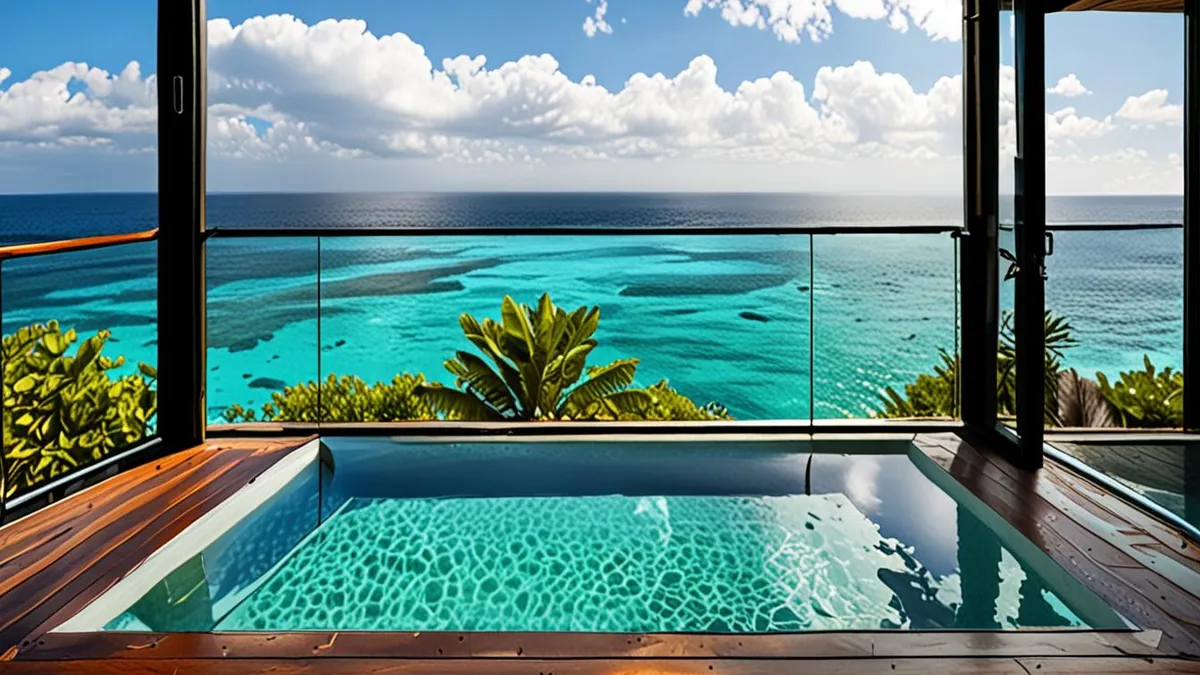
Two things decide whether you pay entry-level rates or flagship prices: the villa itself and the name on the resort. A basic overwater bungalow, with a simple deck and a ladder into the lagoon, costs far less than a villa with a private pool, glass floor panels or a slide straight into the water. Those headline features are exactly what you pay a premium for, so decide early which ones actually matter to you before you start comparing resorts.
Size matters too. Larger multi-bedroom overwater residences, built for families or groups, sit at the very top of the price range and can cost several times more than a standard layout on the same island. Brand plays a real role as well: well-known luxury names command a premium simply for their reputation, while newer or less famous resorts often offer very similar views, service and space for noticeably less. If you’re still weighing whether a villa or a resort setup suits you better, it helps to read up on which stay type fits your trip before comparing prices.
Even within one resort, not all overwater villas are priced the same. Here’s where the differences show up:
- Sunset side vs sunrise side: on the same island, sunset-facing villas typically cost more than their sunrise-side equivalents, even when the layout is nearly identical. Ask which side of the island a villa sits on before you book.
- Position on the jetty: villas at the far end of the walkway usually offer more privacy and better views than those near the main building, and are priced accordingly. Villas close to the island can also feel less secluded.
- Feature add-ons: glass floors, private pools and lagoon slides appear mostly in upper-tier villas, so choosing a standard layout can save a meaningful amount per night while keeping the overwater experience intact.
A practical approach: shortlist resorts by location and reviews first, then compare their standard overwater villa against their premium categories. You’ll often find the step up in price is driven by one or two features you could happily live without, while the core appeal of stepping off your deck into a lagoon stays exactly the same.
Hidden Costs Beyond the Nightly Rate
The nightly rate is only the starting point for your Maldives budget. Because most overwater villas sit on private resort islands, getting there and eating there both cost money, and the extras add up faster than most first-time visitors expect. The advertised rate rarely tells the whole story, so plan for a final bill noticeably higher than the number you saw when booking.
The biggest surprise for many travelers is the transfer. Your resort island is typically 30-60 minutes from Malé by seaplane or speedboat, and that ride is rarely free. Seaplane transfers in particular can add a substantial per-person cost, though some packages include them, so always check what a deal actually covers before comparing prices.
Food is the next big line item. Most resorts sit far from any town or local restaurant, so you will eat at the resort for every meal unless your plan says otherwise. Beyond that, the classic Maldives extras, like snorkeling trips, diving, spa treatments and sunset cruises, can easily add several hundred dollars to a single stay.
- Meal plans: Half-board or all-inclusive typically adds roughly $100-300 per person per day. On a private island, an all-inclusive plan often works out cheaper than paying à la carte for every dinner and drink.
- Transfers: Seaplanes usually only fly in daylight, so a late international arrival can force an overnight hotel stay near the airport before you can reach your island the next morning.
- Excursions and diving: Some resorts charge per activity while all-inclusive plans bundle a limited number of them, so check whether your plan includes snorkeling trips, dolphin cruises or a dive package.
- Taxes and service charges: A green tax and resort service charges appear on your final bill, so leave comfortable room in your budget above the advertised nightly rate.
When and How to Book for the Best Rate
Timing your booking matters almost as much as timing your trip. For travel during the December to April peak, aim to book 6-12 months ahead. That booking window gives you the widest choice of villas and the best rates. The most desirable sunset-facing categories and the best-value room types sell out first, and genuine last-minute deals at high-end resorts are rare during those months.
For green season travel between May and November, you can usually wait longer before committing. Rates are already discounted compared to the peak, and resorts often release additional promotions closer to the date to fill remaining villas. Booking a few months in advance is typically enough, but check cancellation terms before you lock anything in.
Compare Direct Rates Against Packages
Once you have a shortlist, compare the resort’s own website against tour operators and package providers. Tour operators frequently bundle transfers, meal plans and even flights at a discount, which can bring the real total well below the resort’s direct rate once you add up all the extras. The same principle applies elsewhere in the travel world, which is why our guide to the best time to book villas in the Mediterranean covers how booking windows and package deals work in a similar way.
Stay Flexible on Dates
Flexibility pays. If you can shift your dates across a week, you may find noticeably cheaper nights right before or after high-demand periods like Christmas and New Year. Green-season promotions, such as free nights, free half-board or discounted transfers, are also common, so it pays to check offers directly with resorts and operators before committing.
Is an Overwater Villa Worth It Compared to a Beach Villa?
Beach villas on the same islands often cost noticeably less than their overwater neighbors, with similar space, similar service and, in many cases, an equally beautiful stretch of sand outside your door. On a mid-range resort, choosing a beach villa instead of an overwater one can free up a meaningful chunk of budget for meal plans, diving or a longer stay. If your priority is time in the water and on the island rather than the view from your deck, a beach villa is often the smarter buy.
When the Premium Makes Sense
That said, the overwater premium buys things a beach villa cannot. You get complete privacy, steps-down access straight into the lagoon, uninterrupted ocean views and the unmistakable feeling of waking up surrounded by water on all sides. For honeymoons, milestone celebrations or a true once-in-a-lifetime trip, many travelers find the extra cost entirely justified.
The Best of Both: Split Your Stay
A popular strategy is to split your trip. Book a beach villa for most of your nights, then finish with one or two nights in an overwater villa as the grand finale. You keep the overall cost reasonable, still experience the iconic overwater setting, and often enjoy a better chance of a complimentary upgrade at the end of your stay when resorts have availability. Check with your resort about moving rooms mid-stay, as most can arrange it with a simple checkout and check-in on the same island. Just note that on private resort islands reached by seaplane or speedboat, room changes are usually easy since everything is only a short walk away.
Planning Your 2025 Maldives Budget at a Glance
So, is a Maldivian overwater villa a $400 night or a $4,000 night in 2025? The honest answer is both. Entry-level overwater villas start at roughly $400-700 per night, while luxury flagships with pools and butler service sit at $2,000 and above. Where you land depends mostly on the resort tier you choose.
Timing matters just as much. The green season from May to November cuts rates by 20-40% compared to the December-April peak, so flexible travelers can enjoy the same lagoon for far less. Just remember the nightly rate is only part of the bill: transfers, meal plans and extras can add substantially to your total. Booking 6-12 months ahead gives you the widest choice and the best prices for peak-season dates. If this helped you plan your trip, leave a comment or share the article with a fellow traveler.