You’re traveling with skiers, but you don’t ski yourself, and that raises an awkward question: will a week at a ski resort for non-skiers actually be worth the money, or will you spend it drinking overpriced coffee while everyone else is on the mountain? The good news is that many alpine resorts offer plenty for those of us who’d rather take a gondola up for lunch than strap on skis.
This guide covers what really matters when picking a resort, from walkable village centers and spa access to pedestrian gondola tickets. We’ll break down the off-slope activities worth planning around, compare valley-base hotels with slope-edge properties, and walk through what a non-skier week really costs. You’ll also find advice on when to go and how far ahead to book, plus a checklist of questions to ask before you commit.
What Actually Matters When Picking a Ski Resort for Non-Skiers
The single biggest factor in how much you enjoy a ski week without skis is whether you can get around without a car. Prioritize resorts with a car-free or walkable village center, where the shops, cafes, spa and gondola base station are all a short stroll apart. In these villages you can wander out for morning coffee, browse boutiques, walk to the pool and meet your skiers for lunch without ever touching a steering wheel or navigating icy mountain roads.
Choose a real town, not a ski block
Some resorts are purpose-built collections of apartment blocks that empty out in summer. A genuine year-round town, by contrast, has permanent residents, independent shops, bakeries and a calendar of winter events that keeps the village lively even when the lifts are busy. You’ll notice the difference most in the evenings, when there are actual restaurants and cafes to linger in rather than a single hotel bar.
Next, check the spa situation. A large wellness facility or a public thermal bath within walking distance is your daily anchor in a ski resort, and some alpine towns are famous for theirs. Finally, confirm that the main gondola carries pedestrians, not just skiers. If it does, you can ride up to a mountain restaurant, enjoy the views and a long lunch with your group, then ride back down, all without ski gear. It’s one of the best perks of being the non-skier in the party.
Off-Slope Activities Worth Planning Around
Non-skiers often assume there’s nothing to do but sit in cafes, but a well-chosen resort offers a full week of activities. The easiest entry point is a guided snowshoeing or winter hiking tour, which typically runs $40-80 per person. A guide handles the route, the gear and the safety questions, so you get onto quiet trails and mountain viewpoints without any planning stress. Most tourist offices list daily group tours, and hotels can usually book you in the evening before.
Your second anchor should be the spa. Day passes for pools, saunas and thermal areas typically cost $30-70, and many non-skiers build their entire day around a morning outing followed by an afternoon of thermal pools. It’s a bit like comparing a resort’s bundled extras with paying as you go — the same logic applies when weighing all-inclusive versus à la carte pricing: you want to know what each day actually costs before you commit.
- Tobogganing runs: many resorts maintain dedicated sled runs, often lit for evening rides, and sleds can usually be rented by the day rather than the week.
- Ice skating rinks: village rinks frequently offer skate hire and public sessions, and some are outdoors with mountain views.
- Winter cable-car sightseeing: gondolas open to pedestrians let you reach viewpoints and summit terraces in regular winter boots and a warm coat.
- Events calendar: Christmas markets, torchlight walks and alpine festivals are often free to attend, so check resort and town websites for your exact dates before booking.
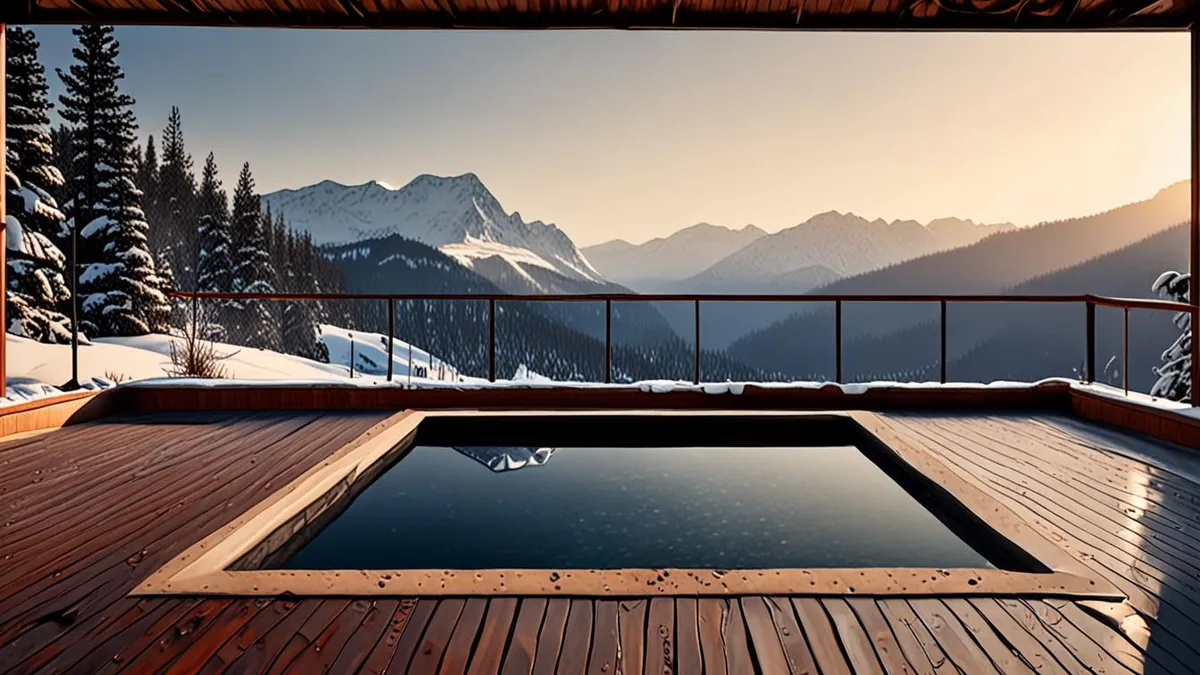
Where to Stay: Valley Base vs Slope-Edge Hotel
Ski-in/ski-out hotels sound appealing, but think about what you’d actually use. That slope-edge convenience is aimed at skiers who want first lifts, and it typically costs 20-40% more than a valley-base hotel in the same resort. As a non-skier, you’d be paying a premium for a perk you’ll rarely touch, while standing in the cold waiting for a gondola that a village-center hotel would have put you next to anyway.
Why the valley base usually wins
A valley-base or village-center hotel generally puts you closer to the things you will use daily: restaurants, shops, the spa and the pedestrian gondola. You save money on the room and save time on the walks that actually matter to your week. In car-free villages the distinction blurs anyway, since everything is walkable, which is one more reason to prioritize village layout over slope position.
Two more practical filters will improve your stay. First, choose a hotel with its own pool or wellness area, so a stormy day doesn’t depend on whether you can reach an external facility. A small hotel sauna and indoor pool can rescue an entire afternoon. Second, look at half-board. Village dining in ski resorts can be pricey in the evenings, and a half-board arrangement gives you a solid dinner without a nightly hunt for a table. You can still plan one or two restaurant evenings out, but your daily food budget becomes far more predictable.
What a Non-Skier Week Really Costs
The biggest win for a non-skier is the first line of the budget: while your skiing friends pay roughly $60-90 per day for a lift pass in major Alpine resorts, you pay nothing. Over a week, that adds up to several hundred dollars you can redirect toward the things you actually enjoy, like guided outings and long spa afternoons.
For a realistic daily activity spend, plan on around $40-80 per guided snow outing, such as a snowshoe or winter hiking tour, plus $30-70 per spa day if you make wellness your daily anchor. Most non-skiers mix the two: maybe two or three guided outings in a week and spa passes on the remaining days. That typically lands you well below what your skiing companions spend on passes, rentals and lessons.
Timing changes everything
Accommodation is where your dates matter most. Peak weeks around Christmas, New Year and February half-term cost noticeably more than January or March, sometimes dramatically so for the same room. If your schedule is flexible, shifting your trip by even a week or two can free up budget for extra activities or a nicer hotel.
One cost surprises many non-skiers: mountain restaurants. If you ride the gondola up to meet your skiing friends for lunch, expect prices at the top to run higher than in the village, since everything arrives by cable car. A mountain lunch can easily cost as much as a spa day pass, so factor it in as an occasional treat rather than a daily habit, or eat in the valley and join the group for the afternoon.
When to Go and How Far Ahead to Book
Timing shapes almost everything about a non-ski trip. Since your days revolve around spas, village cafes and snowy walks rather than lift queues, you have more flexibility on dates than your skiing friends, and you can use that to get better prices and a calmer atmosphere. Here’s how to plan it.
- Aim for January after New Year or March. Both months bring lower accommodation prices and noticeably quieter villages than the peak weeks, while snow cover is still dependable across most European resorts. You’ll wait less for spa slots and find easier restaurant bookings.
- Skip February half-term week. Families flood the slopes, and that crowding spills over to the places non-skiers care about most: spa pools, pedestrian gondolas and village restaurants. Unless you enjoy queues, pick a different week.
- Book 4-6 months ahead for peak weeks. If you must travel during Christmas, New Year or half-term, early booking gives you the widest choice of rooms in the village center, which is exactly where you want to be as a non-skier. Late bookers usually end up further out and pay more.
- Work within the European season. It runs roughly late November to mid-April, with the deepest snowpack typically falling between February and early March. If fresh powder matters to your mountain photos or snowshoe plans, lean toward that window.
One last thought on dates: check the resort’s own calendar before locking anything in. Some villages quiet down dramatically midweek, and a few spas or cable cars reduce their schedules outside the busiest weeks. A quick look at current opening details before you book can save you from arriving to a half-shut village, especially on the edges of the season.
Questions to Ask Before You Commit
Before you pay a deposit, get on the phone or email and ask the hotel a few pointed questions. The answers will tell you more about how livable a resort is for a non-skier than any brochure photo of a sunny terrace. Vague or evasive replies are a useful signal too.
The three distances that matter most are the ones you’ll walk daily: to the spa or wellness center, to the base station of the main gondola, and to the actual village center with shops and cafes. A hotel may describe itself as “central” while sitting a 20-minute uphill slog from anything you’d want to reach in winter boots. Ask for walking times, not straight-line distances, and ask whether the route is cleared and gritted in icy conditions.
Pedestrian lift access is another area where assumptions get expensive. In many Alpine resorts, foot passengers can ride the gondola, but tickets are often sold separately from ski passes and can cost a surprising fraction of a full day pass. Confirm the exact arrangement and current price with the lift company or your hotel before you count on riding up for lunch with your skiing companions.
Finally, get clarity on what your room rate actually includes. Resorts bundle amenities differently, and the difference between “hotel guests enjoy the pool” and “pool access is 25 euros per entry” can reshape your weekly budget. Ask specifically about these items:
- Wellness access: whether the hotel’s own pool, sauna or spa is free for guests, has a daily cap, or requires a surcharge per session.
- Skating and equipment: whether the ice rink entry and skate rental are included with your stay, or paid locally at the rink.
- Snowshoes and gear: whether the hotel loans snowshoes or sleds for free, since renting them separately adds up over a week.
- Winter transport: whether a guest bus, local ski bus or train stop connects the resort to the valley if you’re not renting a car, and whether it runs a full schedule or only peak-season hours.
The Bottom Line for Non-Skiers
So, can a ski resort be worth a full week if you never clip into a binding? Absolutely, as long as you pick one built around you rather than around slope stats. A walkable village, a strong spa scene and pedestrian gondola access will shape your days far more than the number of black runs. Add guided snowshoeing or a winter hike when you want time outside, and a spa day pass as your daily anchor.
Where you sleep matters just as much. A valley-base hotel typically saves you 20-40% compared with ski-in/ski-out rooms, and as a non-skier you won’t miss those slope-side perks. Time it right, too: January after New Year and March deliver the best mix of price, snow and calm, especially when you book 4-6 months out. Have a favorite non-skiing resort of your own? Share it in the comments or pass this article along to your ski crew.