Many travelers book a private villa without realizing that unwritten house rules about visitors, noise and shared spaces can make or break their stay. A villa is not a hotel with a front desk to absorb the noise, the extra guests or the sunscreen-clogged pool filter. It is someone’s home, often sitting right next to other people’s homes, and small missteps can cost you part of your damage deposit or even the booking itself.
This guide to villa etiquette walks you through what actually matters: what etiquette really means when you rent a private home, who is allowed to stay and visit, how to handle noise and quiet hours, the house rules for pools, kitchens and shared spaces, and how check-in, check-out and communication usually work. We also cover deposits and what owners expect from guests, so you can finish your stay with your deposit refunded and a good word from the owner.
What Villa Etiquette Really Means
The biggest mindset shift when renting a villa is understanding that you are staying in someone’s private home, not a hotel room. That means treating the furniture, linens, kitchen and outdoor spaces the way you would treat your own residence. Sliding glass doors, outdoor furniture and pool equipment are all more fragile and more expensive than they look, and normal residential care is what owners expect in return for opening their home to you.
Unlike a resort, there is no front desk managing behavior and no staff quietly stepping in when things get loud. The owner or property manager is often off-site, but the neighbors are not. In residential and hillside areas especially, sound travels and people notice. A complaint can reach the owner within minutes, and it lands on you, not on a hotel manager.
Why etiquette protects your money
Good villa etiquette is also practical. Most owners ask for a refundable damage deposit, and how you treat the property directly affects whether you get it back in full. Follow the house rules, respect the neighbors and communicate honestly, and you protect both your deposit and the owner’s willingness to welcome future guests, including you on a return trip.
Guest Limits: Who Can Stay and Visit
One of the most common misunderstandings in villa rentals is the guest count. Your booking is confirmed for a specific number of people, and most villas cap occupancy at 2 guests per bedroom, with 1-2 extra guests sometimes allowed for a surcharge. Exceeding that headcount without approval is not a small oversight; it can void your booking entirely, sometimes with no refund. If your group changes, message the owner before arrival rather than showing up with extra people.
Day visitors are a separate matter. Many owners are happy to let friends join you for an afternoon by the pool, but they usually want prior notice so they can inform the manager and, if relevant, the neighbors. An unannounced crowd of ten at the gate looks exactly like an unauthorized party.
- Events and parties: Almost always require written owner approval, and villas that allow them typically charge 20-50% more than a standard stay, since events mean extra wear, cleaning and neighbor risk.
- Weddings and large gatherings: Often need additional conditions such as a local event coordinator, an earlier music end time or a higher deposit, so raise these plans when you first inquire, not after booking.
- Photography shoots: Commercial shoots usually count as events too, even with a small crew, so disclose them in advance.
The simple rule: ask first, in writing, and keep the written approval handy in case a neighbor or manager asks questions during your stay.
Noise and Neighbors: Quiet Hours That Matter
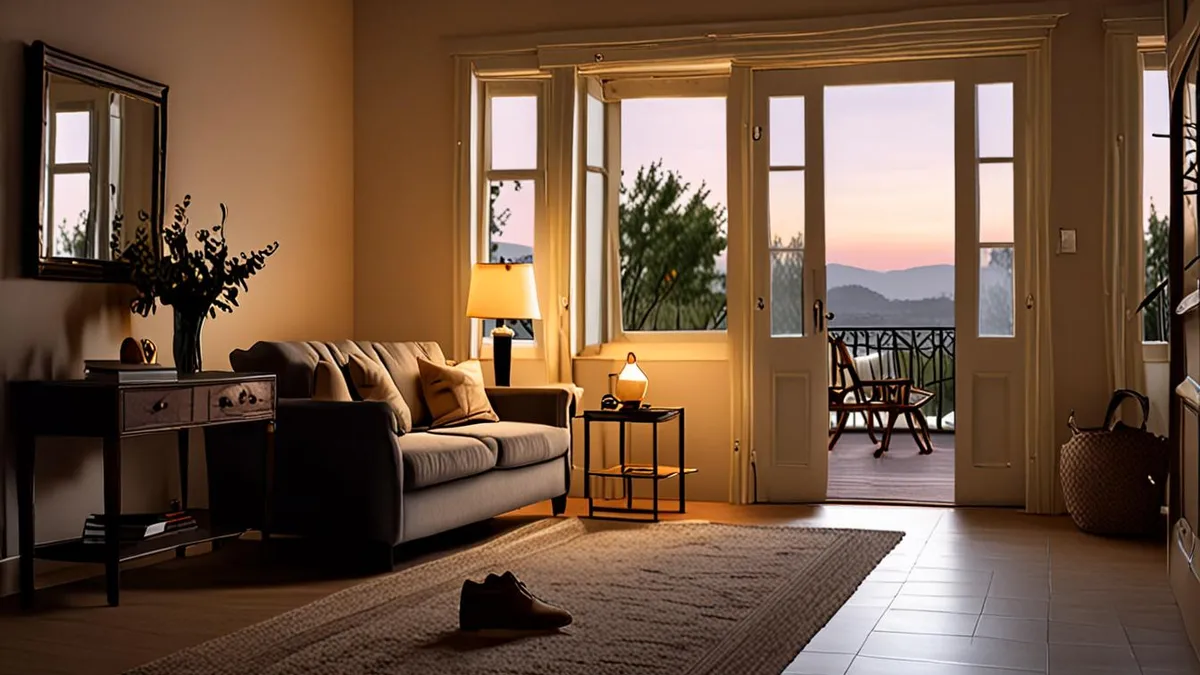
Noise is where villa stays most often go wrong. Most residential villa areas observe quiet hours from roughly 10 pm to 8 am, and these are not polite suggestions. In hillside neighborhoods, sound bounces across valleys, and in dense residential streets, walls are often thinner than guests expect. A conversation on an open terrace at midnight can sound like it is happening in your neighbor’s living room.
Pool music is the biggest surprise for first-time villa guests. Speakers around a pool, or even a phone propped on a lounger, carry far further than you think, especially across water. The same goes for late dinners on terraces: laughter, chairs scraping and raised voices all carry after dark. A good habit is to move indoors after quiet hours begin and keep the volume at a level where you could hold a conversation without raising your voice.
What happens when neighbors complain
If you are choosing between locations, it helps to understand how setting affects sound; our guide to beach vs hillside villas explains why hillside properties carry sound differently.
Neighbor complaints are taken seriously by owners because they threaten future rentals. A first complaint usually brings a warning, sometimes a visit from the property manager. Repeat complaints can lead to part or all of your damage deposit being withheld, and serious violations can end with early termination of your stay, meaning you leave and lose the remaining nights. If you want a louder, later kind of trip, say so when booking; some villas are isolated enough to handle it, and the owner can tell you honestly whether theirs is.
Pool, Kitchen and Shared Space House Rules
Villa pools are private, but they still run on the same equipment and chemistry as any pool, and that is where most house rules come from. Sunscreen, body oils and fake tan wash off in the water and clog filters faster than almost anything else. A quick rinse before swimming takes a minute and keeps the water clear for your whole stay.
If you are traveling in cooler months, ask about pool heating early. It usually needs to be switched on 24-48 hours before you want to swim, so a same-day request rarely works. Heating also typically adds 25-60 euros per day to your costs, so decide as a group whether it is worth it before you arrive.
Housekeeping in a villa is different from a hotel. Mid-stay cleaning is commonly included every 2-3 days rather than daily, which means the kitchen is mostly your responsibility between visits. If you are renting a villa with a private pool, a few small habits go a long way:
- Rinse swimwear in fresh water after each use; chlorine and salt break down the fabric faster if left to dry in.
- Run the dishwasher or leave the sink empty on cleaning days so the team can actually service the kitchen.
- Keep food covered on the terrace and wipe counters promptly, since crumbs and open fruit attract ants and wasps within hours.
- Use coasters and outdoor-safe cups around the pool edge, as glass is often banned for safety and chipped tiles are charged against your deposit.
Check-In, Check-Out and Communication
Villa check-in and check-out times exist for a practical reason: unlike a hotel, there is no housekeeping army on site. Standard check-in is usually 3-4 pm and check-out by 10-11 am, which gives the cleaning team enough time to reset the whole property for the next guests. If your flight lands early, ask the host in advance whether an early check-in is possible; sometimes it is, but never assume it.
Report problems early
Anything broken, leaking or underperforming should be reported as soon as you notice it. A cracked glass, a pool pump making a strange noise or an AC unit that is not cooling are all easy to resolve when the owner hears about them on day two. Wait until check-out and the same issue becomes a deposit deduction, and you lose the chance to prove you handled it responsibly. Honesty is almost always cheaper than a claim.
Keep communication simple
Agree with your host on one messaging channel, whether that is WhatsApp, email or the booking platform’s chat, and keep the whole conversation there. It creates a clear record and means nothing gets lost between apps. Avoid sending urgent requests late at night; most owners are not on site and will handle non-emergencies the next morning. For genuine emergencies like a water leak or power failure, do call if you have a number.
Deposits, Damage and What Owners Expect
Before you arrive, most villa owners will hold a security payment of roughly 500-2,000 euros or the equivalent, collected before arrival or on check-in. It comes back within days to weeks after checkout, once the property has been inspected. The amount is not arbitrary: it covers everything from stained linens to a broken pool filter, so the way you treat the villa directly affects how much of it you see again.
What normal residential care means
Owners do not expect a villa to look untouched, but they do expect it to be treated like a home rather than a rental unit. That means eating at the table rather than on upholstered furniture, keeping sunscreen and dark drinks off linens, and storing outdoor cushions or loungers if the weather turns. Pool toys, BBQ tools and kitchen equipment should be cleaned and put back where you found them. Small habits like these are what separate a smooth deposit return from a drawn-out dispute.
Read the house manual on arrival
Almost every villa has a house manual, whether printed in the kitchen or sent as a PDF. It answers most of the questions that come up during a stay: which bins go out on which day, how the washing machine and induction hob work, where the breaker box is and what to do if the pool pump stops. Ten minutes with the manual on your first evening prevents most accidental damage and saves you from messaging the host about things that are already explained.
Enjoying Your Villa Stay the Considerate Way
So what does it take to enjoy a private villa without any awkward surprises? It comes down to respecting the guest limits, the quiet hours and the property itself. A villa is someone’s home, and treating it that way is what keeps your stay relaxed from the first evening to the final checkout.
Most deposit and noise disputes trace back to one simple fix: clear communication with the owner. Ask before inviting extra visitors, mention anything that breaks early, and read the house rules when you arrive. Do that, and the stay stays smooth for you, for the owner and for the neighbors who live just beyond the pool fence. If this guide helped you prepare for your next villa trip, feel free to leave a comment or share it with a fellow traveler.