Many travelers book a chalet in the Alps out of habit, assuming timber walls and slope-side doors are the only way to experience the mountains. But villas have quietly become serious competition, offering privacy, space and design-led comfort for both ski season and summer holidays alike.
This villa vs chalet in the Alps comparison breaks down what each property type actually delivers. We’ll cover the core differences in build and location, when a chalet wins in winter, when a villa wins in summer, how costs and booking lead times compare, what group sizes and amenities suit each option, and how to choose between the two for your own stay.
Villa vs Chalet in the Alps: The Core Differences
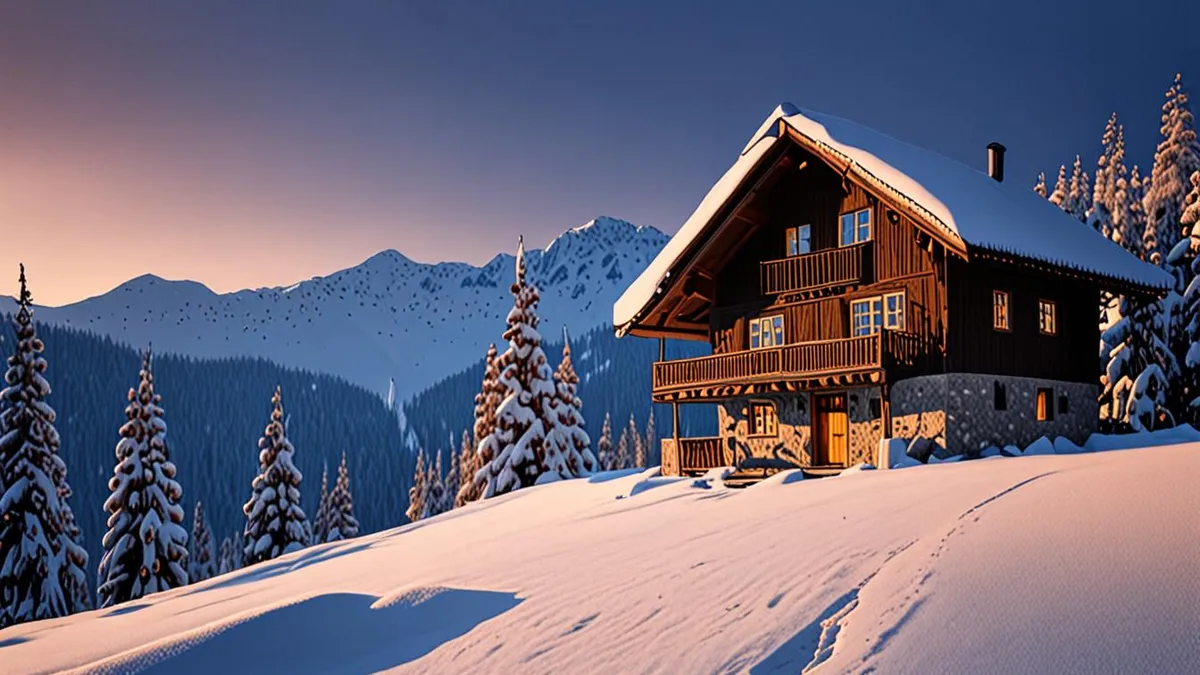
The most obvious difference is the building itself. Chalets are traditionally timber-built, with sloping roofs, wooden balconies and interiors heavy on warm wood. Villas in the Alps are often stone or modern constructions, positioned on the landscape for views and privacy rather than for proximity to a lift station.
Location follows the same logic. Chalets are usually slope-side or within a short shuttle ride of the lifts, because everything about them is designed around skiing. Villas may sit in valley villages or on quieter hillsides, trading instant slope access for space, gardens and panoramic terraces.
Service styles differ too
Many chalets come with staffed service packages as standard: a private chef preparing dinner, a chalet host managing the day-to-day, and sometimes drivers and housekeeping included. Villas lean toward self-catering, with an optional concierge service if you want meals arranged, groceries delivered or transfers organized. Neither approach is better; it depends on whether you want to be looked after or left alone.
Understanding these three differences—build, location and service—is the foundation for every other decision in this guide.
Winter: When a Chalet Wins
Ski season in most Alpine resorts runs from early December to mid-April, and during those months slope proximity is often the deciding factor for winter guests. A chalet that lets you ski back to the door for lunch, or reach the lifts without driving, changes the rhythm of an entire week. Shorter daylight hours make every minute on the snow count, so a ten-minute walk to the lift can genuinely eat into your day. Villas in valley villages can still work in winter, but you’ll typically be relying on cars or shuttles every morning and evening, which adds friction to a ski trip.
Chalets are also built around the practical realities of a ski day. Wet boots, cold fingers and tired legs are the daily norm, and a well-designed chalet absorbs all of it. The best properties handle the gear problem before you even notice it, keeping the living spaces dry, warm and comfortable from the moment you walk in.
- Heated boot rooms: dedicated rooms where boots and gloves dry overnight on warm racks, so nothing is damp at 8 a.m.
- Saunas and hot tubs: standard features in most luxury chalets, easing stiff legs after a full day on the mountain.
- Drying racks and gear storage: space for skis, poles and outerwear near the entrance, so wet kit never travels through the living areas.
Staffed chalets suit groups of 8-14 who want catered dinners after the slopes. With a chef and host included, nobody shops, cooks or washes up on a ski holiday—which is exactly what most winter groups want. After a heavy snowfall day, sitting down to a prepared meal instead of driving to a restaurant is one of the quiet luxuries that keeps skiers returning to chalets season after season.
Summer: When a Villa Wins
From roughly June to September, peaking in July and August, the Alps swap skiing for hiking, mountain biking and lake days. Once skiing is off the agenda, slope access becomes irrelevant—suddenly the villa’s hillside location, once a winter drawback, becomes an asset.
Space made for slow days
Villas with terraces, gardens and heated outdoor pools suit long, slow summer days perfectly. Many alpine villas offer heated outdoor pools usable in both seasons, and in summer you’ll actually spend whole afternoons using them. Breakfast stretches into lunch on the terrace, kids disappear into the garden, and the pool becomes the center of the day rather than an after-ski extra.
There’s also a practical financial argument. Winter chalet rentals typically cost 30-60% more than summer rates for the same property, so a villa stay in summer delivers the same square meters and views at a fraction of peak-season cost.
Better for families and remote workers
Larger living spaces and outdoor dining areas favour families and remote workers over short ski trips. A family spending a week or two in the mountains needs room to spread out, reliable workspace and outdoor space for children—exactly what villas are built for. A ski group, by contrast, mostly needs beds, a boot room and a dinner table, which is why the chalet model exists.
Costs and Booking Lead Times
Price is where the villa-versus-chalet decision gets very real. For the same property, a winter week in a chalet usually costs noticeably more than the same week in summer, so a place that feels like a splurge in February can be surprisingly reasonable in July. If your dates are flexible, shifting a group trip to the warmer months is one of the easiest ways to trim a significant chunk off the bill without giving up the mountain setting.
Timing matters just as much as the season. Peak winter weeks are the most contested dates in the Alpine calendar, and the best catered chalets fill up fast, sometimes well before the snow falls. Summer, by contrast, rewards more relaxed planning: with a shorter lead time you can often still find excellent availability and better rates than during the winter peak, particularly outside the busiest holiday periods.
- Christmas, New Year and February half-term are the weeks to target first: aim to book 6-9 months ahead to secure both the property and the staffed service package you want.
- Summer stays are far more flexible, and 2-4 months of lead time usually secures good availability and lower rates, especially outside July and August.
- If you can travel in June or September, you often get the best combination of quiet trails, warm weather and reduced pricing.
The same early-booking logic applies elsewhere in Europe. For a comparison with a warmer-weather alternative, it helps to understand when to book a Mediterranean villa for the best rates, since coastal and Alpine booking windows differ in useful ways.
Group Size and Amenities Compared
Group size is often the quietest deciding factor, and it works differently for each property type. Luxury chalets typically sleep 8-14 guests, which makes them a natural fit for ski groups who can split the cost of the chef, host and driver between everyone. The per-person math gets better the fuller the chalet is, so a large group that fills every bedroom often pays less individually than a small group would elsewhere.
Villas more often sleep 4-8, which suits families and couples who want privacy rather than a shared dining table with strangers. You trade the staffed service for space of your own: multiple living areas, a garden, and room to spread out without coordinating mealtimes or noise levels with anyone else. For parents with young children, that lack of shared space can matter more than any amenity.
Amenities to check before you book
The essentials change with the season, and a property built for one can disappoint in the other. Before booking, run through the checklist that matches your trip:
- For winter, confirm a heated boot room, drying racks and a sauna or hot tub, plus how close the chalet is to the lifts.
- For summer, look for a pool, a generous terrace and shaded outdoor space, since most of your day will happen outside.
- A heated outdoor pool is a common villa feature in the Alps and can be used beyond the warmest months, so ask about heating and seasonal availability if you are traveling in the shoulder months.
If a private pool is high on your list, it helps to know what to realistically expect from a villa with a private pool, from heating and cleaning schedules to how much privacy you actually get.
How to Choose Between a Villa and a Chalet
Choosing between a villa and a chalet gets much easier once you stop thinking about the buildings and start thinking about your trip. The right answer depends less on architecture and more on what your days will actually look like: who is traveling with you, when you are going, and how much time you plan to spend at the property versus out on the slopes or trails. Season and group composition answer most of the question on their own, and a short checklist keeps the rest honest. Work through the four steps below before you commit to anything, and you will avoid the most common (and most expensive) booking mistakes.
- Start with your dates. If you are traveling during the winter season, prioritize slope access and winter-focused amenities; if you are going in the summer months, prioritize outdoor space, views and pool facilities instead. The same property can feel like a completely different holiday depending on the time of year.
- Match the property to your group. Large groups planning catered dinners together lean strongly toward a chalet, while small private trips of a family or two couples usually get more value and privacy from a villa. Be honest about how much shared space your group actually wants.
- Verify the actual logistics. Ask for realistic drive times to the nearest lifts or trailheads, and confirm whether a shuttle is included, because a property marketed as “close to the slopes” can still mean a 15-minute drive. Also check parking, luggage handling and whether the access road is maintained in snowy conditions.
- Compare like for like. Put two or three properties of each type side by side for the same dates so you are comparing space, service and location rather than photos. Read recent guest reviews specifically for the season you plan to visit, and ask each host what is included in the rate, from heating and cleaning to equipment storage.
If the villa route wins out, it pays to be systematic. A good starting point is learning how to pick the right private villa for your holiday, which covers the questions to ask before you commit a deposit. Taking an hour to vet the property properly will save you from surprises on arrival, and it makes comparing quotes between villas far simpler.
The Bottom Line for Your Alpine Stay
If you assumed a chalet was the only way to do the Alps, the picture is wider than that. Chalets still dominate winter, when slope access and catered service for groups of 8-14 make them the natural pick for ski trips. But villas compete strongly in summer, when heated pools, generous living space and rates typically 30-60% below winter prices make them hard to beat for families and slower mountain holidays.
The practical takeaway is simple: choose by season and group first, then book early enough to get what you actually want. Peak winter weeks need planning 6-9 months ahead, while summer stays are usually secure with 2-4 months of lead time. Do that, and either property type can deliver a memorable alpine stay. If this helped you decide, leave a comment or share the article with your travel group.