You’ve been dreaming about a Caribbean resort getaway for months. White sand, turquoise water, a rum punch in hand. But then two worries creep in: what if hurricane season wrecks your trip, and what if peak-season prices blow your budget wide open? Both concerns are legitimate, and both have answers.
The good news is that timing a Caribbean resort stay doesn’t have to be a gamble. In this guide, we’ll walk through how the Atlantic hurricane season actually works and which islands sit outside the main storm belt. We’ll compare high season against low season at caribbean resorts, then look at the shoulder months that often deliver the best balance of price and weather. You’ll also learn when to book for the best rates, how to pick a resort that suits the season you choose, and get a quick month-by-month overview to help you plan with confidence.
Understanding the Caribbean Hurricane Season
The Atlantic hurricane season officially runs from June 1 through November 30. That’s a long window, and it can sound alarming if you’ve never traveled to the Caribbean outside of winter. But an official season is not the same as six months of constant storms. Most days during hurricane season are warm, humid and perfectly enjoyable, with plenty of sunshine between showers.
When the risk is highest
Storm activity doesn’t spread evenly across those six months. The vast majority of tropical storms and hurricanes cluster between mid-August and late October, when ocean temperatures reach their warmest. If you’re nervous about hurricanes but still want low-season prices, the edges of the season, like June or November, typically carry less activity than the heart of it.
Some islands sit outside the storm belt
Geography matters more than most travelers realize. Southern islands such as Aruba, Bonaire and Curaçao lie outside the main hurricane belt and are rarely hit directly by major storms. If a hurricane-free trip is your priority, these southern destinations deserve a serious look, even in the middle of the season.
Finally, keep perspective: a hurricane season trip is not automatically risky. Millions of people visit the Caribbean between June and November every year without incident. That said, travel insurance is worth considering, since it can cover cancellations, delays and interruptions if a storm does disrupt your plans. Check the policy details before you book so you know exactly what’s covered.
High Season vs. Low Season at Caribbean Resorts
Caribbean resort pricing swings dramatically depending on when you go, and understanding the two extremes helps you decide what you’re willing to pay for. Peak season runs from mid-December to mid-April, when travelers escape northern winters and resorts charge accordingly. During these months, rates can run 30-50% higher than off-season prices, and the most desirable rooms often sell out months in advance.
What you get in high season
The upside is real: this is the driest, most reliably sunny stretch of the Caribbean year. Beaches are at their best, excursions run on schedule, and the weather rarely interferes with your plans. If you’re choosing between properties, it helps to know what you’re paying for, and a quick look at what hotel star ratings really mean and how to use them can help you judge whether a resort justifies its peak-season rate.
The case for low season
September and October are typically the cheapest and quietest months across the Caribbean. Resorts drop their rates, and the atmosphere shifts in ways many travelers love. Crowds thin out, restaurant reservations become easy to secure, and staff have more time to give each guest attentive, personal service. You might find the same beach you fought for a lounger on in February is nearly empty in September.
The trade-off is straightforward: low season falls within hurricane season, so you face a higher chance of rain or a storm disrupting your stay. Most disruptions are minor, like an afternoon downpour, but it’s a risk to weigh honestly. If your schedule is flexible and you’d trade some weather certainty for big savings and quiet beaches, low season can be excellent value.
Shoulder Season: The Sweet Spot for Caribbean Resorts
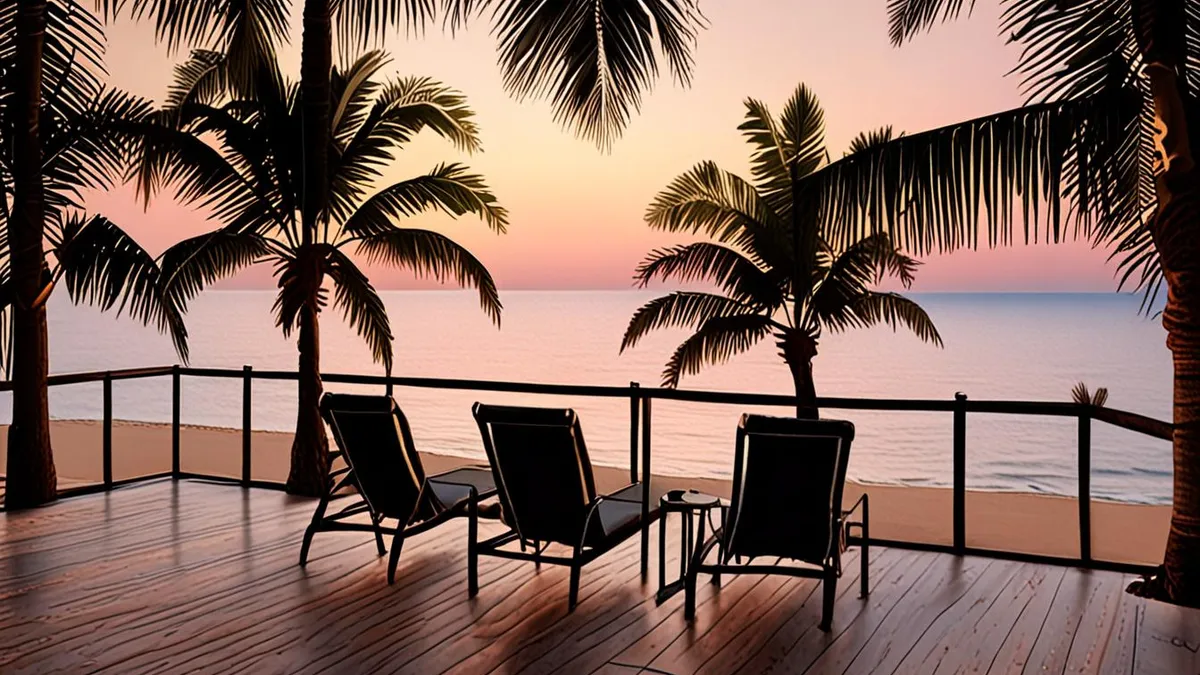
If peak season feels too expensive and hurricane season feels too risky, there’s a middle path that seasoned Caribbean travelers swear by. The shoulder months of May, late November and early December offer lower prices with mostly good weather, and they’re often the smartest time to book a resort stay.
Why early December works so well
Early December is something of a secret window. It falls after the official end of hurricane season, so you avoid the height of storm activity, yet it comes before the peak-season rates kick in around mid-December. You get calm, dry conditions at a fraction of what the same resort charges a few weeks later. The only catch is that availability tightens as the holidays approach, so don’t wait too long to commit.
May: the calm after the winter rush
May sits in a sweet spot of its own. The winter crowds have gone home, but hurricane activity doesn’t ramp up until August, so early-summer weather is typically warm and settled. Seas are bath-like, resorts are relaxed, and you can often swim, snorkel and dine outdoors without jockeying for space.
What can you expect financially? Rates in these shoulder months usually come in well below peak pricing, and because demand is moderate, booking lead times are shorter too. If you’re planning a few months out, it’s worth reviewing a seasonal guide on when to book hotels for the best rates to fine-tune your timing. For many travelers, the shoulder season delivers the best overall value the Caribbean has to offer.
When to Book Caribbean Resorts for the Best Rates
Timing your booking matters almost as much as timing your trip. As a general rule, reserving your Caribbean resort room 3-6 months ahead usually secures the best rates. That window gives you access to standard pricing before demand pushes rates up, and you’ll still have a wide choice of room categories, view types and travel dates.
The exception is the winter holidays. Peak-season dates around Christmas and New Year often need 6+ months of lead time, because those weeks sell out at many popular resorts. If you want a beachfront room or a family suite for the holidays, book as early as you can and be prepared for premium pricing that reflects the high demand of those weeks.
Flexible travelers can sometimes win by waiting. Last-minute deals do appear in low season, when resorts try to fill empty rooms, but your choice of rooms and resorts shrinks considerably. You may end up with a garden-view room or a property that wasn’t your first pick.
- Hurricane-season promotions: Many resorts run deals such as a fourth or fifth night free, or resort credits you can use on spa treatments and dining, to keep occupancy up during the quieter months.
- Rate alerts: Set price alerts for your chosen resort or route, since promotional rates and flash sales can appear for short windows and disappear quickly.
- Direct-booking perks: Some properties offer extras like free breakfast or a room upgrade when you book directly instead of through a third-party site, so compare both before paying.
Choosing the Right Resort for the Season You Pick
The season you choose should shape the resort you book, not just the dates. In hurricane season, favor resorts with flexible cancellation policies and covered facilities. Should weather force a change of plans, being able to move or cancel without losing your deposit takes most of the stress out of the trip.
Rainy afternoons are easier to handle at the right property. All-inclusive resorts soften the blow of gray days with on-site dining, pools, spas and organized activities, so a washed-out morning doesn’t derail your whole day. Smaller boutique properties can feel cramped if you’re stuck on-site, so think about how much space and variety you’ll want.
In peak season, the opposite problem applies: demand. Beachfront rooms sell out first, often months in advance, so book those early if waking up to the ocean is the point of your trip. Waiting until a few weeks before a mid-December to mid-April trip usually means settling for whatever is left.
- Ask about generators and storm protocols: In hurricane season, it’s fair to ask a resort how it handles power outages and whether key facilities like restaurants are covered or enclosed.
- Check what the all-inclusive covers: Some plans include water sports, kids’ clubs and premium drinks; others charge for these, which changes the value math on rainy days.
- Match energy levels: Lively, entertainment-heavy properties shine in high season when everything is running at full capacity, while quieter, adults-focused resorts often feel their best off-peak.
Month-by-Month Quick Guide
Here’s a quick way to match your travel style to the calendar. From December through April, you get the Caribbean at its best: reliably sunny days, calm seas and every activity in full swing. The trade-off is money and crowds, so expect the highest prices of the year and book well ahead.
From May through July, the islands stay warm and the water stays inviting, but rates drop noticeably. Storm risk is still low until activity ramps up in August, making this a comfortable middle ground for families and couples who want good weather without peak-season costs.
August through October is the value play. These months bring the cheapest rates and the quietest beaches, but also the highest hurricane risk, since peak activity runs from mid-August to late October. They suit travelers who can shift dates if needed and who are happy to gamble a little sunshine for serious savings.
- November: Storm season is winding down and crowds haven’t arrived yet, so late November can deliver shoulder-season prices with improving weather.
- Southern Caribbean wildcard: Aruba, Bonaire and Curaçao sit outside the main hurricane belt, so they remain reasonable picks even in the riskiest months.
- Pair the guide with your priorities: If diving, sailing or festivals matter most, check when those operate locally before locking in a month, since some tours and events slow down off-peak.
Wrapping Up Your Caribbean Resort Timing
So when should you book that Caribbean resort trip? If storms are your top worry, remember that hurricane season runs from June through November, with peak activity between mid-August and late October. If price is your main concern, know that peak season from mid-December to mid-April brings the best weather but rates 30-50% higher than off-season.
For most travelers, the sweet spot lies in between. Shoulder months like May and early December combine attractive rates with mostly pleasant weather, and booking 3-6 months ahead gives you the best mix of prices and room choice. A hurricane season getaway is not automatically risky either, especially on southern islands like Aruba, Bonaire and Curaçao, which sit outside the main hurricane belt. Match your timing to your budget and flexibility, and the Caribbean can work for you almost any month. If this guide helped you plan, leave a comment or share it with a fellow traveler.