Many first-time glampers book a site that looks glamorous online, then arrive to find the season, climate or amenities don’t match their comfort level. A canvas tent that photographs beautifully can turn cold by midnight, and that “rustic charm” might mean a shared bathroom a short walk away. The gap between expectation and reality is the most common reason a first glamping trip disappoints.
This guide walks you through how to choose a glamping site step by step. You’ll decide your comfort level before you book, match the season and climate to your trip, set a realistic budget, check location and access, vet amenities and food, and book smart with the right timing and policies. Work through these decisions in order and your first stay should feel like a treat, not a gamble.
Decide Your Comfort Level Before You Choose a Glamping Site
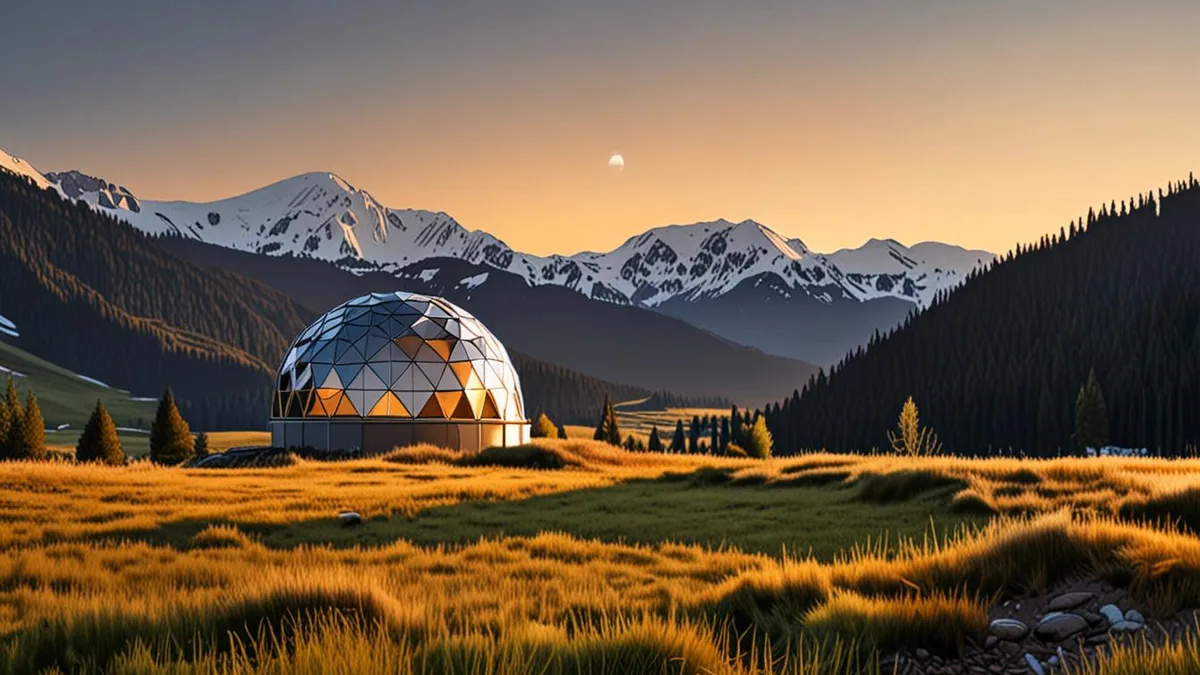
Glamping covers a wide range of setups, and knowing the difference will save you from an uncomfortable surprise. Safari tents and yurts sit at the basics end: real beds, canvas walls, often a shared bathroom block and simple furniture. Domes and cabins move up the comfort ladder, typically offering solid walls or insulated structures, heating and en-suite bathrooms.
Ask what “warm” really means
Before you commit to cool nights, check whether the unit has real heating and insulation or only a wood stove. A wood stove is cozy, but it goes out overnight unless someone gets up to feed it, which matters if temperatures drop well after you fall asleep. Ask the site directly how the unit performs on a cold night, and whether bedding is rated for the season.
Then decide early which amenities are non-negotiable. A private bathroom, a kitchenette and Wi-Fi are the three features that most affect both price and availability. If you need all three, book well ahead and expect to pay more; if you can share facilities and go offline, you’ll have far more options at friendlier rates.
Match the Season and Climate to Your Trip
Season makes or breaks a glamping trip, because canvas walls and thin tent fabric let the outside in far more than a hotel room ever would. In most temperate regions, peak season runs from May to September, when nights stay warm, the grounds are at their best and sites operate their full range of services, including kitchens, guided activities and staffed reception. If this is your first glamping trip, that window is the safest and most comfortable bet, especially if you are unsure how you will handle cooler nights in a tent or yurt.
If you would rather pay less and share the site with fewer people, look at the shoulder months instead. April and October typically bring rates 20-30% below peak prices, which can make a premium dome or cabin far more affordable. The trade-off is cooler evenings and a reduced schedule, so pack warmer layers and confirm exactly which services still operate outside peak season before you commit.
- For northern lights or snow scenery, target September to March in Arctic and subarctic destinations, where long dark nights give you the best viewing window; you can see what a dedicated northern-lights stay looks like in Discover Arctic Nights in Icelandic Northern Sanctuary.
- In shoulder season, ask whether on-site restaurants, guided activities and shuttle services still run daily, since some sites reduce hours or close facilities entirely once the crowds thin out.
- Wherever you go, check the typical night temperature for your dates, not just the daytime highs, because glamping units cool down faster than hotel rooms once the sun sets.
Set a Realistic Budget and Understand Price Drivers
Glamping prices vary enormously, so set your budget before you fall in love with a listing. Expect roughly $120-$600 per night depending on location, season and unit type. A basic yurt in a quiet region sits at the lower end, while a heated dome with an en-suite bathroom in a high-demand destination can reach the top of that range.
Where the savings are
Dates matter as much as destination. Midweek and off-peak stays often cost 15-25% less than weekend peak rates, and sites are quieter too. If your schedule allows a Tuesday-to-Thursday trip, you can often afford a better unit for the same money.
Don’t forget the extras. Meals, airport transfers and guided activities can add $50-$150 per day, and at remote sites you may have little choice but to use them. Ask what’s included in the nightly rate before you book, then price out the add-ons you’ll realistically use so your final total doesn’t surprise you.
Check Location, Access and Surroundings
One of the biggest surprises for first-time glampers is how remote some sites actually are. Many high-quality properties sit 30-60 minutes from the nearest airport or town, often down narrow country roads or rough gravel tracks. That distance is part of the appeal, but it also means you need to plan transfers in advance. Ask the site whether they offer airport pickups, recommend a specific taxi service, or expect you to rent a car. If you do drive, confirm what kind of vehicle the access road realistically requires.
Match the setting to what you actually want
Glamping is as much about the surroundings as the tent. A rainforest site gives you humidity, birdsong and dense green canopy, while an alpine location trades that for crisp air and mountain views. Vineyard stays put you within walking distance of tastings, and coastal sites deliver salt air and beach access. None of these is better; they simply suit different goals. If your dream trip involves morning swims, a mountain cabin will disappoint you no matter how stylish the dome is.
Before booking, read recent reviews with three specific questions in mind. First, what are the road conditions really like, especially after rain? Second, is there noise from a nearby highway, festival ground or popular attraction that the photos do not show? Third, how far is the hike to the trailhead or the walk to the water, measured in actual minutes rather than marketing language? Reviews from the last few months are the most reliable, since access roads and nearby development can change from one season to the next.
Vet Amenities, Food and On-Site Services
Amenities vary enormously in the glamping world, and the photos rarely tell the full story. The first question to ask is how meals work at the site. Some properties include breakfast and dinner in the rate, others offer meals you can order in advance, and many expect you to self-cater with a kitchenette of varying ambition. If you are counting on a cooked dinner after a day of hiking, confirm that it actually exists before you pay.
Infrastructure is the second area to probe, especially at eco-oriented sites that run on solar power or limited water supplies. Ask directly about hot water reliability, how the power supply works after dark, and whether laundry is available on site. A cold shower on a summer morning is an adventure; on a chilly autumn evening it is a trip-ruiner. A quick email to the host will usually get you a straight answer.
Finally, look at what the site includes beyond the tent itself. Many properties build guided activities into the rate, which adds real value compared to booking them separately:
- Stargazing sessions: some dark-sky sites provide telescopes and an astronomy guide, which is far better than squinting at the sky alone.
- Kayaking or canoeing: on-site boats with a guide save you the hassle of transporting gear to a lake or coast.
- Wildlife walks: a naturalist-led morning walk can introduce you to species you would never spot on your own, and it is often free for guests.
When comparing two similarly priced sites, the one that bundles meals and activities into the rate frequently ends up the better deal.
Book Smart: Timing, Minimum Stays and Policies
Glamping bookings behave more like small boutique hotels than campsites, which means popular sites fill up fast and policies matter. The smallest properties often have only a handful of units, so a single busy weekend can wipe out availability for weeks. A little planning protects both your dates and your money, and it takes less effort than you might expect. The steps below cover the essentials, from timing your reservation to checking what actually lands on your final bill.
- Reserve early for peak dates. For summer weekends at popular sites, book 3-6 months ahead. The most photogenic units, like domes with panoramic windows, tend to go first, often within weeks of the calendar opening. If you have your heart set on one specific unit, set a reminder for when bookings open rather than browsing later.
- Build flexibility around minimum stays. Many sites require a 2-3 night minimum stay on weekends. If you can only manage one or two nights, look at midweek dates, where minimums are usually shorter and rates are often lower too. This also makes last-minute trips far easier to arrange.
- Read the cancellation policy line by line. Some sites offer full refunds up to a set window before arrival; others run stricter terms. Note the deadline in your calendar the day you book, and consider travel insurance if the trip involves flights.
- Check the weather policy. Remote sites can close for storms, flooding or wildfire smoke. Ask what happens if the site shuts down: do you get a full refund, a credit, or a rebooking option? Getting this in writing before you pay avoids awkward conversations later.
- Confirm the total cost before paying. Verify what is included in the rate and whether cleaning fees, service charges or local taxes are added at checkout, so the final bill holds no surprises.
Once the booking is confirmed, message the host with your arrival time and any special needs, whether that is a dietary requirement, a late check-in or a question about parking. Hosts at small glamping sites can usually adjust far more easily than a hotel front desk, but only if they know in advance. A short exchange before you travel sets expectations on both sides and makes the whole stay smoother from the moment you arrive. Save the host’s contact details offline too, since mobile coverage at remote locations can be patchy when you need it most.
Your Glamping Choice at a Glance
A glamorous photo tells you very little on its own. The tent that looks dreamy online can still leave you cold at night if you skipped one of the five decisions that shape every glamping trip: your comfort level, the season, your budget, the location, and your booking timing. Working through them in order turns a risky first booking into a stay that actually matches your expectations.
Start with how much comfort you genuinely need, confirm the climate fits that choice, set a realistic budget, then check access and surroundings before you lock in dates. A few careful checks now are far easier than a disappointing night in a beautiful tent. If this guide helped you plan your first trip, leave a comment or share it with a fellow traveler.