Booking a glamping trip sounds simple until you’re staring at three very different options: a round canvas yurt, a futuristic geodesic dome and a cozy timber cabin. They all promise a night under the stars, but they behave nothing alike when it comes to weather, noise, bathrooms and price. Picking the wrong one of the three main glamping accommodation types can turn a dreamy escape into a soggy, sleepless disappointment.
This guide breaks down exactly what defines a yurt, a dome and a cabin, then compares them on comfort and amenities, seasonal performance, nightly rates and group capacity. We also look at where each type shines by destination — from rainforests to aurora country — and share practical tips on how to choose and when to book. By the end, you’ll know which structure fits your climate, budget and comfort needs, and how far in advance to reserve it.
What Defines Each Glamping Accommodation Type
Before comparing comfort or price, it helps to know what you’re actually sleeping in. These three structures look very different, and those differences drive almost everything else: insulation, privacy, bathroom access and how well they handle a storm.
Yurts: the classic canvas round tent
A yurt is a circular tent built from canvas stretched over a wooden lattice frame, with roots in Central Asian nomadic culture. Most glamping yurts are typically 16–24 feet across, big enough for a proper bed, a small sitting area and luggage. A skylight crown at the top of the domed roof lets in daylight and, on clear nights, a view of the stars. What yurts usually don’t have is plumbing: bathroom facilities are typically shared or a short walk away in a separate block.
Domes and cabins: two very different levels of enclosure
Geodesic domes are built from triangular panels that form a smooth half-sphere. Many glamping models include a clear or panoramic window section, and insulated variants are designed specifically for cold climates, often paired with a wood stove. Cabins, by contrast, are solid buildings — timber or stone — with real doors, insulation and heating. They usually come with a private bathroom and a kitchenette, which puts them closer to a small hotel room than a tent. Knowing these basics makes the rest of the comparison much easier to follow.
Comfort and Amenities Compared
Comfort is where these three structures really separate. All three give you a real bed, but the experience of waking up in each one is remarkably different — mostly because of what the walls are made of.
Yurts offer beds and furniture, so you’re not roughing it in the traditional sense. But the thin canvas walls mean you hear everything: rain drumming overhead, wind gusting around the frame, and your neighbors’ conversation if the yurts sit close together. Bathrooms are often a short walk away, which is charming on a dry summer morning and less charming at 2 a.m. in the rain. Domes strike a balance between novelty and comfort: you get a real bed and heating, and in premium models you also get a private en-suite bathroom and a panoramic window that turns the landscape into your alarm clock. Cabins deliver hotel-level comfort — full insulation, plumbing, often a kitchen — but the trade-off is that solid walls mute the close-to-nature feel that draws many people to glamping in the first place.
A few details worth checking before you book:
- Bathroom location: a shared washroom block can be 20 meters or more from your unit, so ask exactly how far the walk is if that matters to you.
- Heating source: some domes and yurts use wood stoves you’ll need to feed overnight, while others have thermostats — a real difference for cold-weather sleepers.
- Window quality: domes vary from a small porthole to a full panoramic panel; if the view is the reason you’re booking, confirm what you’re actually getting.
- Sound insulation: cabins muffle weather and neighbors, while canvas and thin panel walls let sound through — pack earplugs if you’re a light sleeper.
Which Type Handles Which Season
Season is the single biggest factor most travelers overlook when comparing these three accommodation styles. The same structure that feels magical on a June evening can feel miserable in a January storm, so match the accommodation to the weather you’re likely to face.
Yurts: a fair-weather favorite
Yurts are best from April to October in most northern destinations. The canvas walls simply struggle in snow, heavy rain and freezing nights — they’re thin, they can leak, and they offer little insulation once temperatures drop. If your trip falls in the shoulder months, pack warm layers and ask the operator whether the yurt has a heater, but treat a yurt as a mild-season choice above all.
Domes and cabins for the cold months
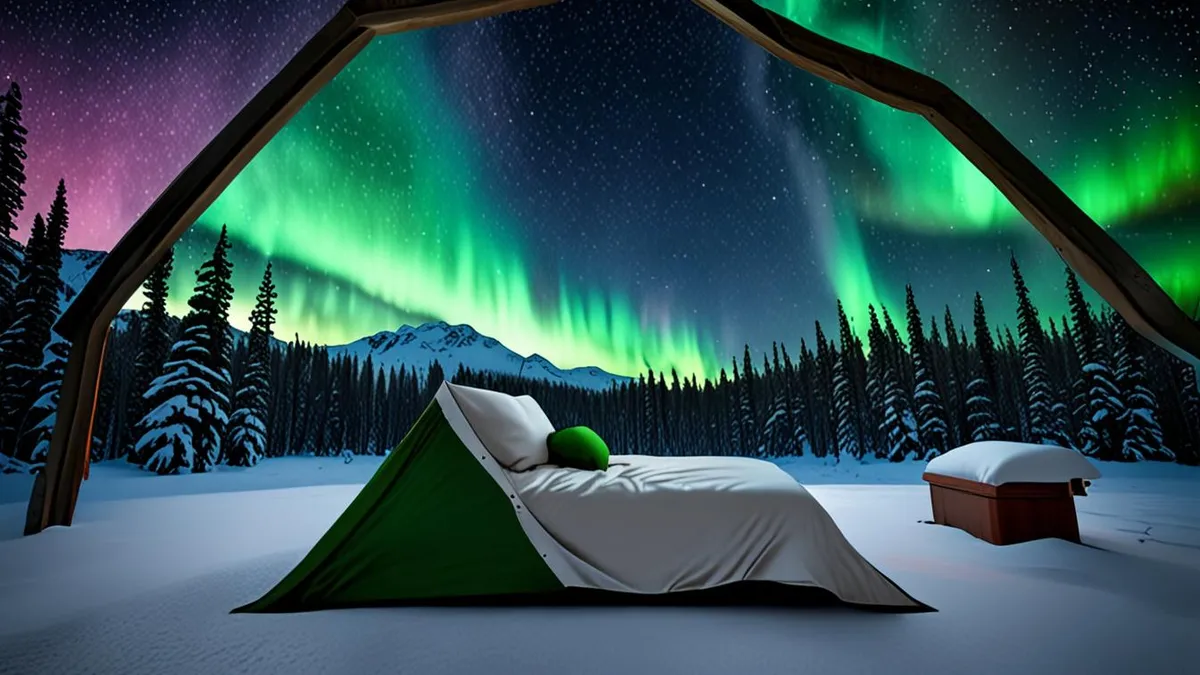
Insulated domes with wood stoves are the go-to option for winter and aurora season, roughly September to March in Iceland and Greenland. The insulated panels hold heat, the stove keeps things cozy, and the large window section means you can watch for the northern lights from your bed — a combination that makes domes almost the default in Iceland’s northern lights country.
Cabins, meanwhile, work in every season thanks to solid walls and full heating, which makes them the safest winter choice in alpine regions where storms can roll in fast. If your dates are fixed and cold weather is likely, a cabin removes most of the weather risk from your booking.
A practical tip before you commit: check with the operator how each structure is winterized, because setups vary widely even within the same destination. Some dome sites keep their stoves stocked and paths cleared all winter, while others close the season entirely. A quick email about heating, access and what happens in a storm will tell you more than any listing photo. And if you’re flexible on dates, traveling just outside peak season often gets you the same structure with better availability and fewer neighbors.
Price Ranges and Group Size
Glamping rates vary widely by type, but there are dependable patterns you can budget around. A classic yurt typically runs around $100–$200 per night, a geodesic dome around $150–$350, and a cabin around $150–$400. Location, season and amenities push individual listings above or below these figures, so treat them as planning ranges rather than quotes.
Capacity matters just as much as price. Yurts usually sleep 2–4 guests, domes 2–3, and cabins 2–6. If you are traveling with kids or a group of friends, cabins win outright: one booking covers everyone, and the split cost per person often undercuts booking multiple yurts or domes side by side.
Domes carry a noticeable premium. Their panoramic window sections, insulated panels for cold climates and often remote locations mean they frequently cost 50–75% more than a comparable yurt in the same region. You are paying for the view and the engineering, not just the bed.
- Weekday vs weekend pricing: many glamping sites charge their top rate on Friday and Saturday nights, so a midweek yurt stay can land near the bottom of its range while the same unit peaks on weekends.
- What the rate usually includes: bedding, towels and basic cooking gear are typically bundled in, but firewood, hot tub use or guided activities are often add-ons — ask before you book.
- Group math: a cabin sleeping six can bring the per-person cost well below a single dome sleeping two, even when the cabin’s nightly rate is the highest of the three.
- Shoulder-season savings: rates commonly drop outside school holidays and peak foliage or aurora windows, so shifting your dates by a week or two can trim a meaningful chunk off the total.
Where Each Type Shines by Destination
Match the accommodation to the landscape and each type reveals why it dominates certain destinations. In rainforest and cloud-forest retreats, open-sided yurts and domes are favored for one simple reason: airflow. Canvas walls and mesh vents let humid air move through, which solid buildings struggle with in tropical heat. You trade some privacy for a stay that feels like sleeping in the forest rather than sealed off from it.
Head north and the picture flips. Arctic and northern-lights destinations rely almost exclusively on insulated domes, because the whole point of the trip is the sky. A transparent or panoramic window section lets you watch for auroras from bed, and insulated panels with a wood stove keep the structure usable through deep winter. In places like Iceland and Greenland, this combination has become the signature glamping setup.
Why mountains and vineyards favor cabins
Mountain, alpine and vineyard estates lean toward cabins for year-round weather protection and privacy. Solid timber walls handle snow loads, wind and summer storms without complaint, and a private building on a hillside or among the vines gives couples and families a sense of seclusion that canvas structures rarely match. If you are picturing a snowy escape with a fireplace, an alpine cabin retreat in the Swiss mountains shows exactly why this type endures in high country.
The practical takeaway: choose based on climate first, view second. A dome in the tropics or a yurt in a blizzard fights its own design, while the right type in the right setting feels effortless.
How to Choose and When to Book
Choosing between a yurt, dome and cabin comes down to knowing your own priorities, then booking far enough ahead that the right unit is still available. Travelers often fall in love with a photo first and ask practical questions later, which is exactly how disappointing stays happen. A short sequence of steps makes the decision manageable and keeps the focus on what will actually matter once you arrive, not just what looks good on a booking page.
- Identify your top priority. If sky views and novelty top your list, pick a dome — the panoramic window is the reason to choose it. If budget and simplicity matter most, pick a yurt. If comfort and group size lead, pick a cabin.
- Match the type to your travel dates. Yurts suit mild months, while domes with insulation and cabins can handle winter conditions, so align the structure with the season you are traveling in.
- Book on the right timeline. Reserve domes 3–6 months ahead if you want to sleep under the northern lights in Iceland or Greenland, when availability disappears fastest. Yurts and cabins in peak summer also need 2–3 months’ lead time to secure good options.
- Check the bathroom situation before paying. This is the biggest comfort gap between types: some yurts and domes share a bathhouse a short walk away, while others include a private en-suite. Confirm which one you are booking.
- Confirm capacity against your group. Make sure the unit actually sleeps your party — a dome built for two will not stretch to four, no matter what the photos suggest.
Following this order keeps you from booking on looks alone. The most photogenic dome is a disappointment if the bathhouse is a muddy five-minute walk in the rain, and the cheapest yurt is a bad deal if it cannot fit your family. It also protects your budget: once you know your priority and your dates, you can compare units within the right category instead of scrolling endlessly through every listing on the site. A few minutes of checking beats a night of surprises, and it usually means the difference between a stay you recommend to friends and one you quietly forget. Write down your answers to the five steps before you start searching, and the right choice tends to make itself obvious.
Yurt, Dome or Cabin: The Bottom Line
So which one should you book? If you’re traveling as a pair or small group of up to four in the milder months, a yurt gives you the most affordable way to sleep close to nature, typically running $100–$200 per night. If you want sky views and a stay that works even in deep winter, a dome justifies its $150–$350 rate with insulated panels, wood stoves and that unforgettable panoramic window.
Cabins remain the all-season, all-comfort choice: solid walls, real heating and space for groups of up to six, at $150–$400 per night. In short, pick the yurt for budget and simplicity, the dome for novelty and cold-weather stargazing, and the cabin for comfort and bigger groups. Whichever fits your trip best, tell us in the comments or share this article with a fellow traveler.