You’ve found a stunning New Zealand alpine lodge online, the photos look incredible, but now you’re wondering what a stay there actually involves. Is dinner included? How do you get there? And is that nightly rate a bargain or a rip-off? These are fair questions, because alpine lodges in New Zealand don’t all work the same way, and the differences matter for both your budget and your experience.
This guide walks you through what a typical stay really looks like, from the half-board meal plans and view-facing lounges to the daily rhythm of hikes, ski shuttles and fireplace evenings. We’ll cover how to choose between summer and ski season, when to book for the best rates, and what the drive from the airport involves. You’ll also find a realistic breakdown of what a New Zealand alpine lodge stay costs, so you can match your plans to your budget before you commit.
What a New Zealand Alpine Lodge Stay Actually Includes
The first thing to understand is that most upscale lodges here operate on a half-board basis. That means dinner and breakfast are included in your nightly rate, so you can compare prices knowing that two meals are already covered. Lunch is usually extra, though many lodges offer picnic packs for day hikes.
Room types and rates
Accommodation varies widely. Standard king rooms typically run around NZD 250-450 per night, while suites and private chalets can exceed NZD 1,200. The pricier options usually add space, privacy and better sightlines, but even entry-level rooms tend to be built to make the most of the mountain setting.
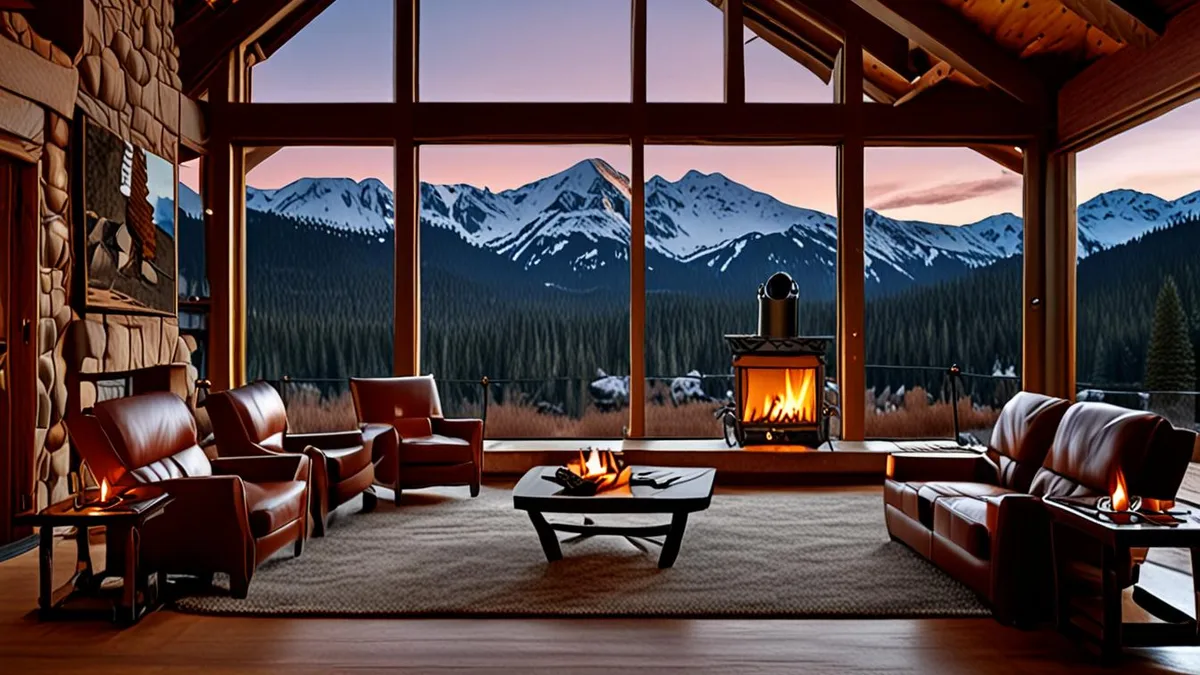
The communal areas are a big part of the appeal. Expect fireplaces, terraces and lounges deliberately designed around the view of the Southern Alps, with big windows and outdoor seating positioned for sunset. Many guests spend as much time in these shared spaces as in their rooms.
Finally, check what’s bundled into the rate before you compare lodges. Guided walks, airport transfers and equipment storage are often included, and these extras can add up quickly if you book them separately elsewhere.
Choosing Your Season: Summer Views vs Ski Season
Timing shapes almost everything about an alpine lodge stay, from the price you pay to what you actually do each day. New Zealand’s seasons run opposite to the northern hemisphere, so it’s easy to get caught out if you book on instinct.
December to February is the southern summer. Daylight stretches late, with sunset after 9pm, which means you can finish a full-day hike and still catch the light on the terrace. It’s prime hiking weather, and it’s also when prices peak.
June to August is ski season, ideal if you’re heading to nearby fields like Coronet Peak or Cardrona. If you want a deeper comparison of what a snow-focused lodge stay involves, see this guide to what an all-inclusive ski lodge in the Alps is like.
The shoulder months of March-May and September-November deliver lower rates, golden autumn or early snow scenery, and noticeably quieter common areas. One catch: winter days are short, with sunset before 5:30pm, so plan daylight activities accordingly.
- Book ski-in access early: lodges closest to the ski fields fill first in winter, since guests value skipping the morning drive to the lifts.
- Ask about trail conditions: some higher alpine tracks stay snow-covered well into spring, so shoulder-season hikers should confirm which routes are open.
- Pack for temperature swings: even in midsummer, alpine evenings can drop sharply once the sun goes down, so layers matter year-round.
When and How to Book for the Best Rates
Alpine lodges in New Zealand are small properties with limited rooms, so the best options sell out well before arrival. Reserving 6-9 months ahead for summer stays and 4-6 months for ski season is the general rule, and it matters most in Queenstown and Wanaka, where demand is strongest.
Shoulder-season flexibility
If you’re traveling in the quieter months, you can often book just 2-3 months out. This is also when lodges have more room to negotiate, so it’s a reasonable time to ask about a rate for a longer stay of a week or more. The worst they can say is no.
Before you commit, read the fine print on minimum stays. Many lodges apply a 2-3 night minimum during peak periods, which affects whether you can slot a short break into a bigger itinerary. If your dates are tight, confirm this before you fall in love with a particular property.
It also pays to understand how booking windows work in other mountain destinations. This guide to the best time to book a lodge stay in Banff National Park shows how the same early-booking logic applies in a comparable alpine setting.
Getting There: Locations and Travel Logistics
Most New Zealand alpine lodges are deliberately remote, which is part of their charm. Expect a drive of roughly 45-90 minutes from the nearest regional airport, with Queenstown, Wanaka and Christchurch being the usual arrival points. Queenstown and Wanaka lodges have the added bonus of sitting within 1-2 hours of major trailheads and ski fields, so you can land, check in and still fit in an afternoon walk.
Before you book, ask exactly how you will get from the airport to the lodge. Some properties run their own airport transfers, and a few offer a 4WD pickup when conditions turn tricky. This matters most between June and August, when mountain roads can be icy, especially in the early morning and after dark. If the lodge doesn’t provide transport, ask which route they recommend and how long the drive typically takes in winter.
Should you rent a car?
Renting a car gives you real freedom to reach trailheads, ski fields and small towns on your own schedule, and many travelers find it worthwhile outside the deepest winter months. If you’re visiting during ski season, check the winter chain requirements on alpine passes before you set off, and confirm your rental vehicle can carry chains. If you’d rather not drive mountain roads at all, lean on lodge transfers and the activity shuttles many properties arrange for guests.
Dining, Amenities and Daily Rhythm at the Lodge
Food is a genuine highlight of an alpine lodge stay. Dinner is usually a set or tasting menu built around local produce, with early seatings typically between 6:30 and 8pm. If you have dietary requirements, flag them when you book rather than on arrival, as kitchens in remote locations plan menus days in advance and will happily accommodate most needs with notice.
Daytime revolves around the outdoors. In summer that might mean guided hikes, heli-tours or kayaking on a glacial lake; in winter, ski shuttles to nearby fields take over. The lodge team usually coordinates everything, so you can decide each morning based on the weather rather than locking in plans weeks ahead.
Once the sun drops, life moves indoors. Evenings center on the fireplace lounge, where glasses of local Central Otago pinot noir flow and conversations with fellow travelers come easily. Alpine skies are famously dark, so step out onto the terrace after dinner for some of the best stargazing you’ll find anywhere.
- Spa pools and saunas: Common at the mid-to-luxury end, and particularly welcome after a day on the slopes or a long hike, with many positioned to face the mountains.
- Massage rooms: Larger lodges often have dedicated treatment spaces where therapists offer sports recovery and relaxation massages, usually bookable the same day.
- Equipment storage and drying rooms: Handy for skiers and hikers alike, keeping boots, skis and wet gear out of your room and warm and dry overnight.
What a New Zealand Alpine Lodge Stay Costs in 2025
Alpine lodge pricing in New Zealand covers a wide range, so it pays to know which tier you’re booking. At the budget-friendly end, comfortable rooms without meals included typically fall somewhere between NZD 250 and NZD 450 a night. These are often smaller lodges or rooms in larger properties where you eat out in nearby towns.
At the top end, luxury lodges with half-board dining, meaning dinner and breakfast included, run NZD 600-1,200+ per night for two people. That sounds steep until you factor in the quality of the food, the location and the included extras like guided walks or transfers. If you’re comparing lodge rates with other unusual accommodation styles, it can help to read what a treehouse lodge stay costs in 2025 to see how the numbers stack up.
Budget for activities too
Don’t forget the activities, which sit outside the room rate. Add roughly NZD 100-200 per person per day for guided experiences such as heli-hikes or ski passes. A couple staying four nights could easily add NZD 800-1,600 to the total, so build this into your planning from the start.
Timing has a big effect on price. Peak summer and ski-season rates typically run 30-50% higher than shoulder-season pricing for exactly the same room. If your dates are flexible, shifting your stay into the quieter months can turn a luxury lodge from a splurge into a reasonable spend.
Wrapping Up Your Alpine Lodge Plans
So what does a New Zealand alpine lodge stay actually look like day to day? In short: half-board dining with dinner and breakfast covered in your rate, communal spaces built around the view, and easy access to summer trails or ski fields. Mornings start with a solid breakfast before you head outdoors, and evenings wind down by the fireplace with a set-menu dinner and local wines.
Timing and budget are the two decisions that shape everything else. To secure your preferred room at a fair price, get your reservation in well ahead of the peak rush — the earlier you commit, the better your options in Queenstown and Wanaka. Nightly costs range from NZD 250 for comfortable rooms to over NZD 1,200 for luxury lodges, so matching your season and meal plan to your budget is what makes the trip work. If this helped you plan your stay, leave a comment or share the article with a fellow traveler.