Every parent dreams of a weekend under the stars with the kids — and then pictures the reality: a sagging air mattress, a 2 a.m. diaper run in the rain, and a car stuffed with more gear than a small moving van. That’s exactly why glamping with kids has become the go-to compromise for families who want nature without the chaos. You get real beds, warmth and proper bathrooms, while the children get campfires, wildlife and the thrill of sleeping somewhere unusual.
The catch is that not every glamping site is genuinely set up for young children, and the differences matter. In this guide, we’ll walk through why glamping works so well for families, how to match the accommodation type to your kids’ ages, what makes a site truly family-friendly, the best times to book and go, how to budget realistically, and what to pack so everyone — parents included — actually enjoys the trip.
Why Glamping Works So Well for Families with Kids
Tent camping with children is a test of endurance. You spend an hour wrestling with poles while a toddler wanders toward the fire pit, and by the time dinner is cooked on a single burner, everyone is tired and grumpy. Glamping removes the worst of it before you even arrive.
The comfort basics that change everything
Real beds, heating and private bathrooms take care of the biggest stress points of camping with kids. Nobody sleeps on a deflating air mattress, nobody wakes up freezing at 3 a.m., and the inevitable midnight bathroom trip happens a few steps away instead of across a dark field. For parents of babies and toddlers, that difference is the whole trip.
Meanwhile, the children still get everything that makes camping magical. Campfires, stargazing, spotting rabbits at dusk and toasting marshmallows are all part of the experience — but without you hauling a full camp kitchen, coolers and water containers across a muddy field.
Safer sleep for little ones
Enclosed units like cabins and domes are another quiet win. Younger children can fall asleep in a proper bed with a door between them and the outdoors, while parents relax nearby with the fire pit still glowing. No zippered tent flaps flapping in the wind, no worries about a crawling baby on bare ground — just a warm, secure room where the whole family actually rests.
Choosing the Right Accommodation Type for Your Kids’ Ages
The single biggest mistake families make is booking a unit that doesn’t match their children’s ages. A romantic dome for two becomes very cozy very fast when you add a toddler and a travel cot, so it pays to think this through before you book.
With toddlers: choose solid and spacious
Safari tents and cabins are the safest bet for families with very young children. They offer solid floors — no gaps or wobbly ground for new walkers — plus real beds and enough floor space for a cot without anyone tripping over it in the dark. Many also include a small kitchen area, which makes early-morning breakfasts far less painful.
With kids aged five and up: embrace the novelty
Once children are a little older, domes and yurts come into their own. Kids this age love the novelty of sleeping under a curved canvas roof or a transparent dome panel, and they can manage a short walk to shared toilet and shower blocks without it becoming a crisis. If you’re weighing up the options, our guide to yurts, domes and cabins compared breaks down how each type actually feels to sleep in.
Whichever type you choose, look for units with two sleeping areas or bunk beds. Separate sleeping zones mean parents get a proper night’s sleep instead of being kicked in the ribs, and children settle faster when they have their own space. It also makes bedtime feel normal rather than like an adventure that never ends.
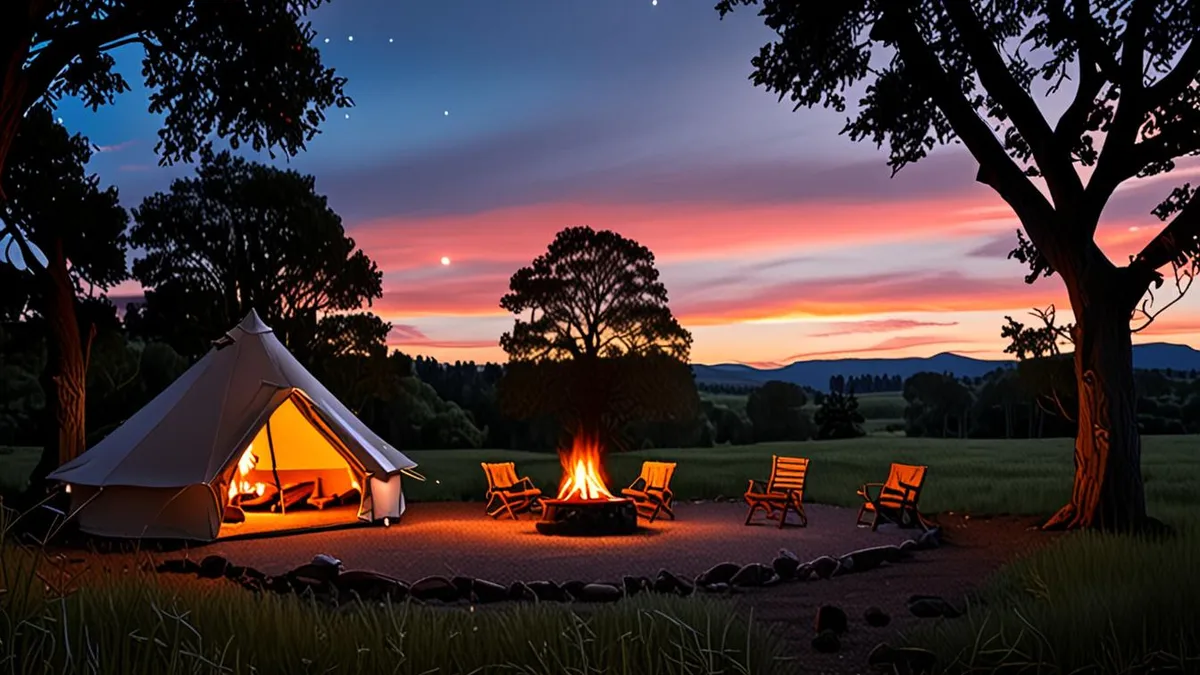
What to Look for in a Family-Friendly Glamping Site
Once you know what type of unit you need, the site itself becomes the deciding factor. A beautiful location can’t compensate for a site where bored children have nothing to do within sight of your deck.
The first thing to prioritize is on-site activities that kids can do without constant supervision: a playground they can reach from your unit, animal feeding in the morning, or a shallow pond for paddling. When children can entertain themselves for an hour, you finally get to sit down — which is the whole point of a family getaway.
Then check the practical details. Some adult-oriented sites don’t welcome children at all, so confirm this before falling in love with a listing. Ask about family-only quiet zones, and find out exactly how far the toilets and showers are from your unit if they’re shared — a two-minute walk feels very different at midnight with a small child.
For your very first trip, choose a site within a 1-2 hour drive of home. If day one goes sideways — a meltdown, forgotten comfort items, unexpected rain — you can simply cut your losses and drive back without a marathon journey.
Beyond the basics, here are a few details worth checking before you commit:
- Shaded areas near the units: young children overheat quickly in canvas on sunny afternoons, so trees or canopies close to your deck make naps and midday downtime far easier.
- Bug screens and door nets: ask whether openings are properly screened, since insects buzzing around at bedtime can undo months of sleep training in a single night.
- On-site laundry or drying space: children plus outdoors equals mud, and knowing you can dry socks and trousers changes how relaxed you’ll be about puddle-jumping.
- Cot and highchair availability: many sites lend these for free or a small fee, which saves you hauling bulky gear in the car — but confirm when booking rather than assuming.
If you’re comparing your first options and want a fuller walkthrough, our practical first-timer’s guide to choosing a glamping site covers the research process step by step.
When to Book and When to Go
Family-sized glamping units are the first things to disappear from any booking calendar. For summer stays, aim to book 3-6 months ahead, because school holiday slots sell out first. If you have your heart set on a specific unit — say, the safari tent with the bunk room and the view of the pond — treat booking early as non-negotiable rather than optional.
If your dates are flexible, consider the shoulder seasons instead. May, June and September typically bring mild weather, quieter sites and lower prices than the July-August peak. Your kids can still run around outside without layers of winter gear, and you won’t be queueing behind six other families for the showers.
Before you book, read the small print. Most family glamping sites set a minimum stay of 2 nights on weekends, which works in your favour anyway — one night rarely gives kids enough time to settle in. On pricing, children under 12 often stay at a reduced rate, typically 20-30% below adult pricing, so a family of four can come in noticeably cheaper than you might expect.
Timing matters more than most families realize, both for your budget and for the atmosphere on site. For a fuller picture of how seasons affect prices and crowds, check out the best time of year for glamping in the UK before locking in your dates.
Budgeting for a Family Glamping Trip
Glamping pricing can look steep at first glance, but it helps to know what you’re actually comparing. A family unit with two or more sleeping areas typically runs £150-£350 per night in the UK, while a couple’s pod with one bed sits at £80-£150. The difference buys you space: separate sleeping zones mean you’re not lying awake listening to a seven-year-old whisper about hedgehogs.
Don’t forget the extras
The nightly rate rarely covers everything. Firewood bundles, on-site activities and breakfast hampers are the most common add-ons, and together they can add £20-£50 per day to your total. That’s not a small amount over a long weekend, so decide in advance which extras are worth it. A breakfast hamper might save you packing a cooler; a firewood bundle is almost essential if you’re promised a campfire in the listing.
How to trim the cost
Timing is your biggest lever. Traveling in shoulder season instead of the summer peak typically brings noticeably lower nightly rates, and on a family-sized unit that saving is real money. Swap one peak-season weekend for a late-September one and you may afford an extra night instead. It also pays to check how a site structures its pricing: some charge per person, others per unit. Per-unit pricing makes family trips comparatively better value, since the fourth and fifth family members often cost nothing extra.
One more trick: ask about midweek stays. Sites that enforce a 2-night weekend minimum are often quieter and cheaper from Monday to Thursday, and you’ll share facilities like fire pits and playgrounds with fewer people. Whatever quotes you find, confirm current rates directly with the site before booking, as prices shift year to year.
Packing and Preparing Kids for Glamping with Kids
Packing for glamping is easier than packing for camping, but kids change the equation. The single biggest thing to get right is warmth: even in summer, nights inside a canvas tent or dome can drop to 8-12°C, and children feel the cold before adults do. Pack layers for everyone — base layers, fleeces, socks for sleeping — rather than relying on the provided bedding alone.
Familiarity matters just as much as warmth. A new sleeping environment is exciting at 7 pm and unsettling at 2 am, so bring comfort items from home. A favorite toy, a night light and blackout sleep sacks can be the difference between a settled night and a child in your bed by midnight.
Preparation starts before you leave, too. A practice night works well: set up a sleepover in the living room, explain that glamping means real beds but no TV, and set expectations about outdoor toilets if your unit doesn’t have its own. Kids who know what’s coming adapt in minutes; kids who don’t can spend the first evening in protest.
Beyond the basics, these items earn their place in the car:
- Torches or head torches for each child — sites are dark at night, and a head torch turns the walk to the bathroom into an adventure instead of a tearful ordeal.
- Wet weather gear and spare shoes — grass paths get muddy and dewy, and one pair of trainers per child rarely survives a two-night stay.
- Snacks and refillable water bottles — there’s no corner shop on site at most glamping locations, and hungry kids at 8 pm are nobody’s friend.
- A small activity kit for downtime — cards, colouring books or a magnifying glass fill the quiet hours between dinner and campfire better than any screen.
- A basic first aid kit with plasters and antihistamines — scrapes, insect bites and nettle stings are part of the outdoor package, and being ready keeps small incidents small.
Wrapping Up Your Family Glamping Plan
Glamping with kids really does solve the problem of wanting a nature break without the chaos of tents and hauling gear. The key is simple: match the accommodation type to your children’s ages, and choose a site with genuine family facilities. Get those two things right, and you get real beds, warm nights and happy children — without the stress of traditional camping.
Remember the timing essentials: book 3-6 months ahead, and aim for May-June or September to keep costs and crowds down. With a budget of £150-£350 per night and smart packing, your first family glamping trip can be every bit as relaxing as it is adventurous. If you’ve glamped with your kids already, share your experience in the comments — or pass this article along to another family planning their escape.