Most travelers assume glamping shuts down the moment temperatures drop. The image of a canvas tent flapping in the snow doesn’t exactly scream comfort, so many people pack their glamping dreams away with the summer gear. The truth is more interesting: plenty of sites stay open through the cold months, and the ones built for it can be genuinely cozy. The catch is that not every structure handles winter well, and glamping in winter works differently from a summer stay.
This guide explains how cold-weather glamping actually functions, which accommodation types stay warm when it freezes, and where to go — from snowy alpine regions to dry-season escapes in Central America. You’ll also find an honest look at what a winter stay feels like day to day, a practical packing list, and booking tips that help you lock in a heated unit before someone else does. By the end, you’ll know exactly whether a winter glamping trip fits your plans.
Yes, You Can Go Glamping in Winter — Here’s How It Works
Winter glamping has quietly become one of the fastest-growing corners of the off-season travel market. While many campsites go quiet after summer, a growing number of operators keep their sites running from November through February, targeting travelers who want the outdoors without the crowds. The result is a win-win: guests get peaceful landscapes and snowy views, and site owners fill units that would otherwise sit empty.
Heating is what makes it work
The single biggest difference between a summer tent and a winter-ready one is heating. Cold-weather stays typically rely on wood-burning stoves, underfloor heating, or properly insulated walls — sometimes all three. A standard summer tent with a duvet and a hot water bottle won’t cut it when temperatures drop below freezing overnight, so operators who stay open year-round invest in real insulation and heat sources.
It’s important to understand that not every glamping site opens in winter. Many safari tent camps close from October or November because canvas structures simply aren’t designed for snow loads and freezing conditions. Before you get attached to a particular site, check whether it operates year-round or seasonally.
There’s a financial upside too. Cold-weather stays often cost 20-40% less than peak summer rates, so you can book a premium dome or cabin for the price of a basic summer unit. If you’ve been eyeing a specific site but balked at July prices, January might be your window.
Which Glamping Accommodation Types Handle Cold Weather Best
Not all glamping structures are created equal when the temperature drops. Canvas that feels breezy and pleasant in July can turn miserable in January, so choosing the right accommodation type matters more in winter than in any other season. The good news is that several designs are genuinely built for cold weather, with insulation and heating baked into the structure itself.
If you’re weighing your options, it helps to see how the main types compare side by side — this guide to yurts, domes and cabins breaks down the differences in detail. In short, here’s how each one handles the cold:
- Geodesic domes are the most popular winter option, typically fitted with insulated liners that trap heat and a wood-burning stove at the center — the curved shape also sheds snow rather than letting it pile up.
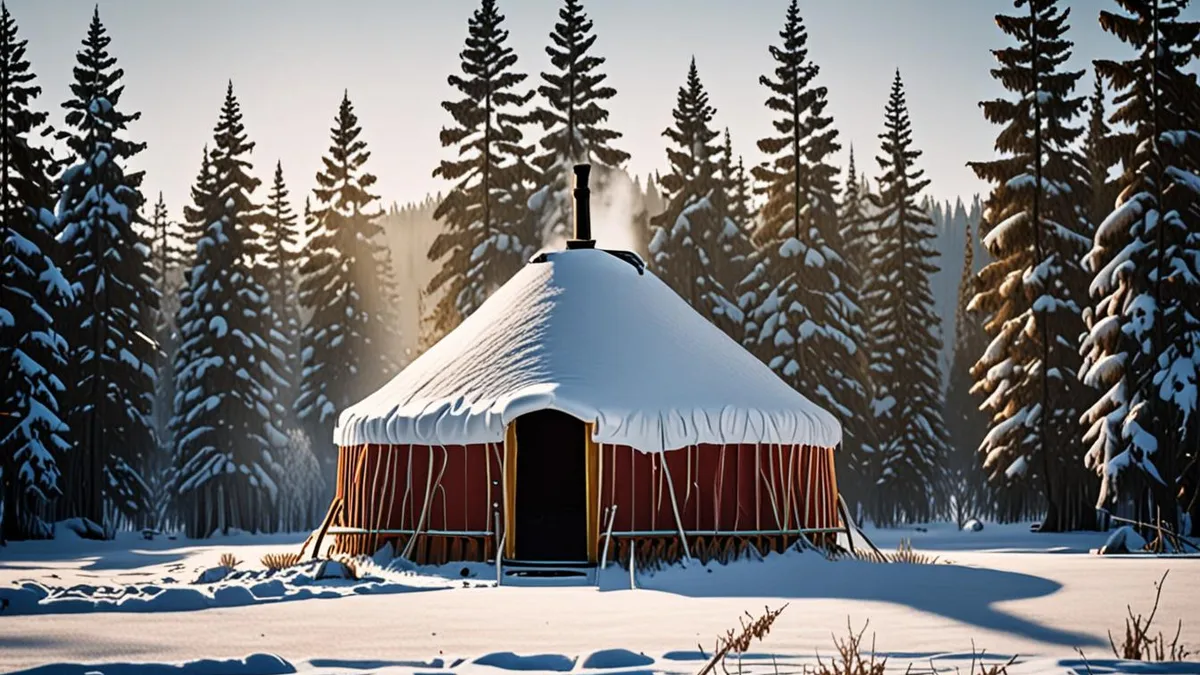
- Yurts use layered felt or canvas walls that have kept Central Asian herders warm for centuries, and a central stove turns the circular space into a genuinely cozy base even in sub-zero temperatures.
- Cabins and lodges skip the canvas problem entirely, usually offering full insulation, proper heating and solid walls — the closest thing to a hotel room in a rural setting.
- Standard safari tents are rarely winterised, which is why most safari tent camps simply close for the season rather than risk frozen pipes and unhappy guests.
For most winter travelers, the choice comes down to atmosphere versus reliability. Domes and yurts deliver that under-canvas magic with the crackle of a stove, while cabins guarantee warmth without any effort on your part. All three are solid picks — it’s the standard safari tent you’ll want to avoid between roughly November and February.
Where to Go for Winter Glamping
Winter glamping works almost anywhere, but the experience changes dramatically depending on where you book. Broadly, you have two routes: embrace the cold in a snow-covered landscape, or head somewhere warm where winter is actually the best season to visit.
Snow and stove-heated stays
For a proper winter wonderland, alpine regions are hard to beat. Destinations in the Swiss Alps offer snow-side domes and cabins from December to March, where you can watch the flakes fall from inside a heated unit with panoramic windows. These stays pair well with skiing, snowshoeing or simply doing very little beside a wood stove. If that sounds appealing, this look at an alpine winter refuge in Switzerland gives a feel for what’s on offer.
Closer to home for many European travelers, UK sites in Scotland, Wales and the Lake District stay open through winter with stove-heated units. The scenery is moodier than the Alps — frosty lochs, misty hills and bare woodland — and you avoid flights entirely. The UK and northern European winter glamping season runs roughly November to February, so there’s a decent window to plan around.
Warm-weather alternatives
If freezing temperatures aren’t your thing, flip the map. In Costa Rica and Panama, the northern winter is actually the dry season, which makes it the ideal time to visit. Glamping in both countries runs year-round, so you can sleep under canvas with jungle sounds instead of howling wind — no stove required.
What a Cold-Weather Stay Is Actually Like
A winter glamping night has its own rhythm, and the wood-burning stove is usually at the center of it. In most winterised domes and yurts, you’ll need to feed the fire every few hours — expect to wake once in the night to add a log or two, especially in freezing conditions. Premium units often swap the stove for underfloor heating, which means you simply set a temperature and forget about it. Either way, ask in advance how the heat works so you know what your evening routine will look like.
The good news is that cold-weather sites tend to lean into the season rather than just survive it. Hot tubs, fire pits and communal lounges are common extras, and there’s nothing quite like stepping from a steaming tub into the cold air while snow falls around you. Communal lounges with sofas and a kettle also give you somewhere warm to gather if your unit feels snug for a full evening indoors.
One detail that surprises first-timers: at simpler sites, bathrooms may sit in a separate shared block rather than inside your unit. That means a short walk across frosty ground at 7am, so pack a dressing gown and sandals or sliders for the trip. If en-suite facilities matter to you, check the site’s unit descriptions carefully before booking — the guide on how to choose a glamping site covers what to look for.
Finally, plan around the light. In northern destinations in winter, daylight can run roughly from 9am to 4pm, so schedule hikes, walks or sightseeing into that window and treat the long evenings as part of the experience — board games, stargazing and slow dinners by the fire.
How to Pack for Glamping in Winter
Packing for a winter glamping trip is closer to packing for a hiking weekend than a hotel stay. Canvas and even insulated structures lose heat overnight, so temperatures inside your dome or yurt can drop noticeably while you sleep, even if the stove was roaring when you went to bed. Thermal base layers worn under comfortable loungewear make those 3am stove refills far less miserable, and a set of dry clothes reserved for sleeping keeps you warm without overheating.
Footwear deserves real thought too. The paths between units, bathrooms and parking areas are often grass, gravel or boardwalk, and in winter they can be icy, muddy or both on the same morning. Waterproof boots with solid grip handle all of it, and they double as your footwear for any snowy walks nearby.
Darkness is the other big factor. Many winter sites keep lighting minimal to preserve the atmosphere and the night sky, which means paths are unlit and it’s fully dark by around 5pm. Arriving after sunset without a light source is a classic first-timer mistake.
Before you zip the bag, run through this checklist:
- Thermal base layers (top and bottom) — merino or synthetic wicking fabrics work best, and a spare set lets you sleep in dry layers after a damp day outdoors.
- Waterproof boots with grippy soles — deep lugs matter more than insulation here, since you’re walking short icy or muddy distances rather than standing in snow for hours.
- A headtorch with fresh batteries — it keeps your hands free for carrying firewood or unlocking gates, and a spare small torch is smart backup.
- Slippers or thick wool socks — even heated domes can have cold floors near the edges, and hard flooring underfoot is the first place you feel the chill.
- A hot water bottle or insulated flask — small luxuries that make the gap between “warm enough” and “genuinely cozy” surprisingly easy to close.
Booking Tips for Winter Glamping Trips
Winter glamping rewards planners. Heated units are a small slice of most sites’ inventory, so the cozy domes and stove-equipped yurts sell out long before the unheated summer tents do. Because the winter season in the UK and northern Europe runs roughly November to February, the window for a snow-side stay is short, and demand from couples and small groups looking for a quiet escape concentrates on the handful of winterized units. A little forward thinking gets you the best unit, the best price and a much calmer trip.
Follow these steps to lock in a good winter stay:
- Book 2-3 months ahead for weekend stays. Heated units are limited in number, and winter weekends — especially around holidays — are when that scarcity bites hardest. Early booking also gives you first pick of the best-positioned units, closest to the parking area or with the best views.
- Consider midweek instead. Midweek stays can often be booked just 4-6 weeks out, and they typically cost less than weekend rates. If your schedule allows a Monday-to-Wednesday trip, you’ll often get the same site for a lower price with fewer neighbors and quieter shared facilities.
- Confirm the heating type before paying. Ask specifically about wood-burning stoves, insulation and hot water. A listing photo of a stove doesn’t guarantee it’s the unit you’ll get, and “heated” can mean anything from a proper stove to a small electric heater.
- Read the cancellation policy carefully. Snow and storms can disrupt winter travel plans, and some sites have stricter terms in the off-season. Know what happens if the roads close or a storm rolls in, and whether you can rebook rather than lose the money.
One last habit worth building: message the site directly after booking to confirm check-in details, access roads and any winter-specific notes. Owners of cold-weather sites tend to be upfront about what to expect, and a quick exchange before you travel can flag everything from stove instructions to which lane to avoid after heavy snow. It’s also a natural moment to ask about arrival timing — if you’re checking in on a dark afternoon, knowing exactly where your unit is saves a cold, fumbling first hour.
Final Thoughts on Cold-Weather Glamping
So, can you go glamping in winter? Absolutely — the trick is knowing which structures are actually built for cold weather. Domes, yurts and cabins lead the way, while standard safari tents mostly close for the season. Many sites run from November to February, so there’s a real winter market out there if you know where to look.
It’s also a smart value play: off-season rates tend to sit well below what you’d pay in July or August, so the same dome that books out all summer becomes noticeably more affordable once the cold sets in. Just remember the three things that make or break the trip — book early, pack layers and confirm the heating before you commit. Done right, a stove-warmed dome under falling snow beats a summer tent anyway. If you’ve tried a winter glamping trip, share how it went in the comments below.