Book the same Rockies lodge in January and again in July, and you might swear you visited two different places. That’s the core of the winter lodge vs summer lodge question: one season brings snow-covered peaks, ski runs and fireside evenings, while the other delivers alpine lakes, long hiking days and patios with mountain views. Neither is better across the board — they’re simply different trips, and the right choice depends on what you want from your time in the mountains.
This guide walks through what actually changes between the two seasons. We’ll compare winter stays built around skiing and cozy nights with summer stays focused on hiking and lakes, look at how prices and crowds shift, and share practical booking tips — including how far ahead to reserve and when shoulder months like May and October can save you money. By the end, you should have a clear sense of which season suits your trip.
Winter Lodge Stays: Snow, Skiing and Cozy Nights
From December through March, a Rockies lodge stay revolves around the slopes. Banff Sunshine and Lake Louise are the headline ski resorts, and many lodges position themselves around ski storage, early breakfasts and shuttle access to the lifts. If skiing or snowboarding is the main reason for your trip, this is the season built for it.
The lodge experience itself changes with the weather. Fireplaces, hot tubs and saunas stop being extras and become the center of your evening. Days are short, with roughly 8-9 hours of daylight, so plan on arriving at your lodge by mid-afternoon, settling in, and making the most of the long, cozy nights. A sauna session after a day on the hill is one of winter’s real pleasures.
Packing for a Banff Winter
Temperatures matter here. Average winter temperatures in Banff range from about -15°C to -5°C, and wind chill on exposed ridges can feel far colder. Pack serious layers: thermal base layers, an insulated midlayer, a waterproof shell, insulated gloves, a warm hat and proper winter boots. Traction gear such as ice cleats that slip over your boots is worth bringing even if you never leave the resort grounds, since paths around lodges and viewpoints get icy.
Winter also brings experiences you simply cannot have in summer. Guided ice walks through Johnston Canyon take you along frozen catwalks past ice-climbing routes and frozen waterfalls. Walking on frozen Lake Louise, with the Victoria Glacier above and the chateau at your back, is one of the signature cold-season moments in the Rockies. Both are popular, so check current conditions and book guided walks ahead where required.
Summer Lodge Stays: Hiking, Lakes and Long Days
Summer flips the Rockies script completely. From June to September, daytime highs sit around 15-22°C and you get up to 16 hours of daylight, which means you can be on a trail by 7am and still have light for a patio dinner well into the evening. It is the season for long, unhurried hiking days.
One thing first-time visitors often miss is that trail access opens progressively through the season. Valley-bottom trails are usually walkable by June, but high alpine routes often hold snow until July, so check trail reports before you plan a big summit day. Rangers and lodge staff can tell you what is currently clear.
What to do from a summer lodge base
Canoeing on the region’s turquoise lakes is the classic summer experience, and many lodges can point you to rental outfitters nearby. Wildlife viewing is also at its best, with chances of spotting elk, bears, bighorn sheep and eagles from roadsides and trails. Scenic drives like the Icefields Parkway between Banff and Jasper turn the drive itself into the activity, with glaciers and viewpoints along the way.
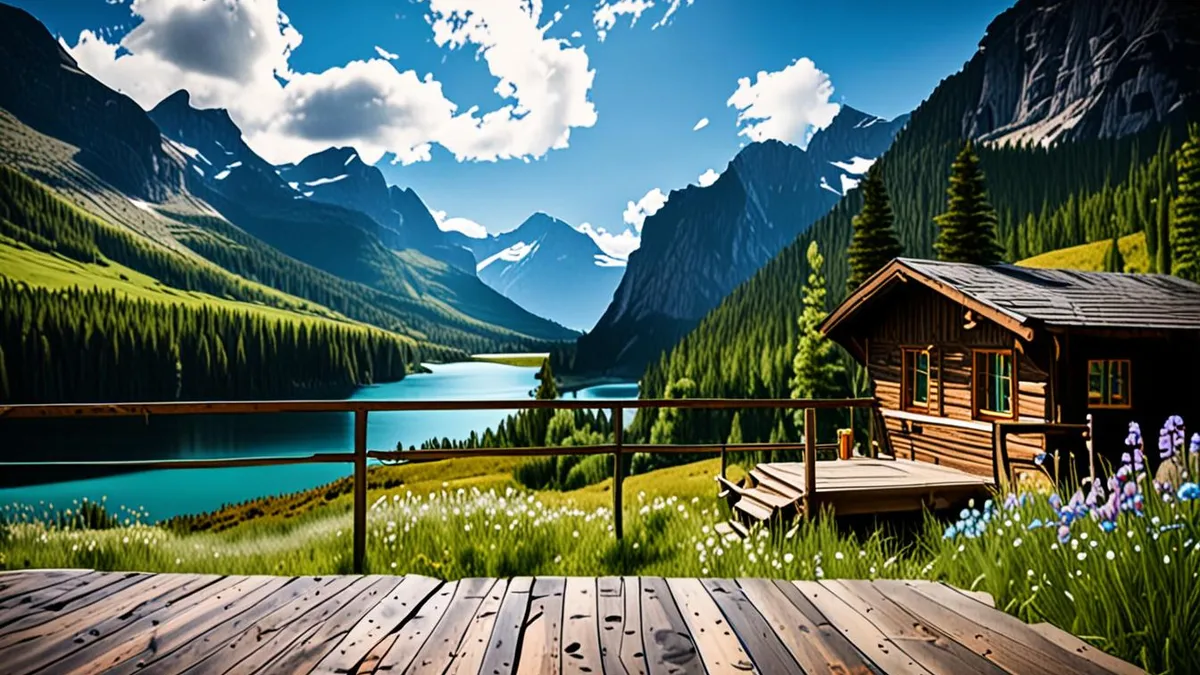
The lodge atmosphere changes too. Patios, lakefront decks and outdoor dining replace the fireside focus of the cold months, and many properties shift their social spaces outdoors entirely. If that kind of setting appeals to you, a lodge with true mountain sanctuary charm makes the long summer evenings even better. Just remember that summer is peak season, so the most popular lodges fill up early.
Price Differences Between Winter and Summer Lodge Stays
Both winter and summer count as peak season in the Rockies, so don’t expect a bargain either way. The real price swings happen within each season, especially between weekends and midweek. Winter lodges near ski hills tend to show the sharpest gap: a Saturday night at a popular lodge can cost noticeably more than the same room on a Tuesday.
A few patterns are worth knowing before you compare quotes:
- Weekend premiums in winter: at sought-after lodges, weekend rates often run 30-50% above midweek prices, so shifting a ski trip to Sunday through Wednesday can meaningfully shrink the bill.
- Shoulder-month savings: May and October can cut lodge rates by 20-30% below peak, though some restaurants, spas or activity desks may operate on reduced hours or stay closed.
- Minimum-night stays in summer: many summer lodges require two- or three-night minimums on weekends in July and August, which effectively raises the cost of a quick one-night escape.
- Package pricing in winter: ski lodges often price by package, bundling lift tickets, breakfast or equipment storage into the room rate rather than quoting a bare nightly price.
Another difference is how the rate is built. Winter stays are more likely to come wrapped in all-inclusive or activity packages, since lodges know guests are arriving to ski and want a predictable total. Summer pricing is usually more a la carte: you pay for the room, then book canoe rentals, guided hikes or dining separately. If you like knowing your final cost upfront, ask lodges directly what their packages include and compare that total against the room-only rate plus your planned extras.
Crowds and Atmosphere by Season
If there is one thing that catches first-time visitors off guard, it is just how busy the peak summer months get in the Rockies. July and August are the busiest months of the year, and the crowds are not limited to the trails. Expect full parking lots at Lake Louise before 8am, shuttle queues, and lodge common areas that hum with activity from breakfast until well after dinner. If you want a quiet morning coffee on the deck, you will need to claim it early.
Winter has a different rhythm. The crowds concentrate heavily on ski weekends, when visitors from Calgary and beyond pour in for two days on the slopes. Book a lodge for a midweek stay between December and March, however, and both the slopes and the lodge itself feel noticeably quieter. Lift lines shrink, the hot tub is easier to get, and staff have more time to chat about local conditions.
Who You Will Share the Lodge With
The crowd mix changes with the seasons, too. Summer brings families on school holidays and tour buses moving along the scenic routes, so lodges tend to feel lively and social. Winter skews toward couples celebrating something special and ski groups focused on the mountain, which gives lodges a cozier, more adult atmosphere after dark.
For the calmest experience of all, aim for the shoulder months. May and October offer the quietest lodge atmosphere of the year, with fewer guests and a slower pace, while most facilities are still open. Just confirm what services run during your dates before you commit.
How to Book a Rockies Lodge for Each Season
Booking a Rockies lodge is not a one-size-fits-all exercise. The right lead time depends heavily on which season you are targeting, and a few practical steps will save you both money and stress. Getting the timing wrong is the most common mistake travelers make: they either book too late and pay a premium, or lock in dates before confirming what will actually be open.
- Book summer stays 3-6 months ahead. June to September is peak season, and July and August weekends around Banff and Lake Louise sell out first. Lock in your dates early, especially if you want a specific lodge or a room with a view.
- Reserve ski-season lodges 2-4 months ahead. Winter demand is real but less extreme. Targeting midweek dates gives you better rates and thinner crowds, since weekend rates at popular lodges often run well above midweek pricing.
- Fly into Calgary International Airport. Banff sits about 1.5 hours by car from the airport, making it a straightforward drive. Rent a car with winter tires for cold-season trips, because mountain roads between December and March demand proper traction.
- Check shoulder-season closures before booking. Some lodges close entirely in April, May or November for maintenance or staffing. Before you book dates in those months, confirm the property is open and ask which facilities, like dining or the hot tub, will actually be running.
- Compare rates across dates before committing. The same room can vary noticeably in price depending on the night of the week and the month. A quick check of two or three date combinations often reveals an easy saving, particularly in the shoulder months when rates drop but some services may be limited.
If you want a deeper look at how far ahead different property types fill up, the best time to book a lodge stay in Banff National Park is covered in detail there, including how booking windows shift between seasons. Once you have matched your dates to the right season, the rest of the booking tends to fall into place: confirm access, confirm facilities, and reserve with a flexible rate where you can.
Which Season Suits Your Trip?
The easiest way to choose your season is to start with what you actually want to do, not with what looks good in photos. Each period in the Rockies delivers a genuinely different trip, and the lodge you pick should follow from that decision rather than lead it. A lodge that feels perfect in February can feel like a different property altogether in July, so be honest about your priorities before you start comparing options.
- Winter (December to March) is for snow lovers. You get skiing and snowboarding, snow-draped scenery, steaming hot tubs after a day on the slopes, and an intimate, fireside lodge mood that summer simply cannot replicate.
- Summer (June to September) is for hikers and lake people. Warm highs, long daylight hours, canoeing on turquoise water, wildlife spotting at dawn and dusk, and full access to alpine trails make it the most active option.
- Shoulder months (May and October) are for value hunters. Rates often drop 20-30% below peak and crowds thin out dramatically, but some lodges run reduced services or close entirely, so confirm what is operating before booking.
Beyond the season, think carefully about the type of property itself. The trade-offs between a lodge and a hotel, things like room size, on-site dining, atmosphere, and the setting around your accommodation, matter in both winter and summer, and they can shape your trip almost as much as the dates you choose. If you are weighing that decision, this guide to choosing between a lodge and a hotel breaks down which stay type suits different kinds of travelers. Match the season to your activities first, then choose the property that fits how you like to travel, and the whole trip tends to fall into place.
The Takeaway on Rockies Lodge Seasons
So, which Rockies lodge stay should you book? The honest answer is that winter (December to March) and summer (June to September) deliver two very different experiences at similar peak prices. Winter means ski days, fireside evenings and hot tubs under falling snow; summer means long hiking days, turquoise lakes and patios instead of fireplaces. Neither is better, they are simply different trips.
Plan around the practical differences too. Booking windows matter: aim for 3-6 months ahead for summer stays and 2-4 months for winter ski season. If you can travel in May or October, shoulder months trade some full service for savings of 20-30%. The smartest approach is to match the season to the activities you want first, then pick the lodge that fits. Which season would you choose? Let us know in the comments or share this article with your travel crew.