Choosing between a lodge vs hotel can feel surprisingly tricky once you start comparing prices, locations and what each rate actually includes. One promises wilderness right outside your window, the other puts you steps from restaurants and museums — and the wrong pick can reshape your whole trip.
This guide breaks down the core differences between the two stay types, then walks through when a lodge is the better choice, when a hotel makes more sense, and what you really pay at each. You’ll also find practical advice on how far ahead to book, how to match the stay type to your travel style, and a clear bottom line to help you decide with confidence.
What Defines a Lodge vs Hotel: The Core Differences
The core difference comes down to size, setting and what your rate includes. Lodges are small, nature-anchored properties that typically host around 10-40 guests, and they’re usually built around a wilderness, safari or waterfront setting. Hotels are larger urban or resort properties with 50 or more rooms, offering standardized service plus on-site dining, gyms and business facilities.
What your rate actually covers
Lodge rates of $200-600 per night often bundle meals, guided excursions and transfers into one price. Hotel rates of $100-250 per night usually cover the room only, so meals, tours and transport come as separate expenses. That makes a direct price comparison misleading until you look at what’s included.
Architecture and atmosphere
The buildings reflect their purpose. Lodges favor timber, stone and panoramic windows that frame the surrounding landscape, while hotels favor standardized rooms stacked across multiple floors. In a lodge, the design pulls your attention outward to the view; in a hotel, it’s built for consistency and convenience wherever you are.
When a Lodge Is the Better Choice for Your Trip
A lodge earns its price when the destination itself is the attraction. If you’re traveling for national parks, fjords, deserts, rainforests or Arctic regions, staying inside the landscape beats commuting to it. Many lodges sit 30-90 minutes from the nearest city or airport, which is exactly the point — you wake up already where you want to be.
Lodges also suit travelers who want guided activities built in. Wildlife drives, glacier hikes and river excursions are typically arranged by the property and often included in one rate, so you don’t spend evenings researching local operators. If you value seclusion and small guest counts over nightlife and walkable city streets, a lodge wins almost every time. For a sense of what this looks like in practice, discover mountain grace at a Canadian Rockies sanctuary and picture your mornings starting at the trailhead rather than in traffic.
Timing matters too. Peak wilderness seasons run June-September in mountain regions and December-February in tropical areas, so match the lodge to the season before you commit.
- Ask about resident wildlife by season. A savanna lodge may offer very different sightings in dry months than in green months, so ask the property which animals are most active when you plan to visit.
- Check how activities are scheduled. Some lodges run two guided outings a day at set times, while others tailor each day to guests — worth knowing if you have specific goals like a sunrise hike.
- Consider the social dynamic. With a small group of guests sharing meals and excursions, lodges often create a communal feel that solo travelers love but privacy-seekers should weigh.
When a Hotel Makes More Sense
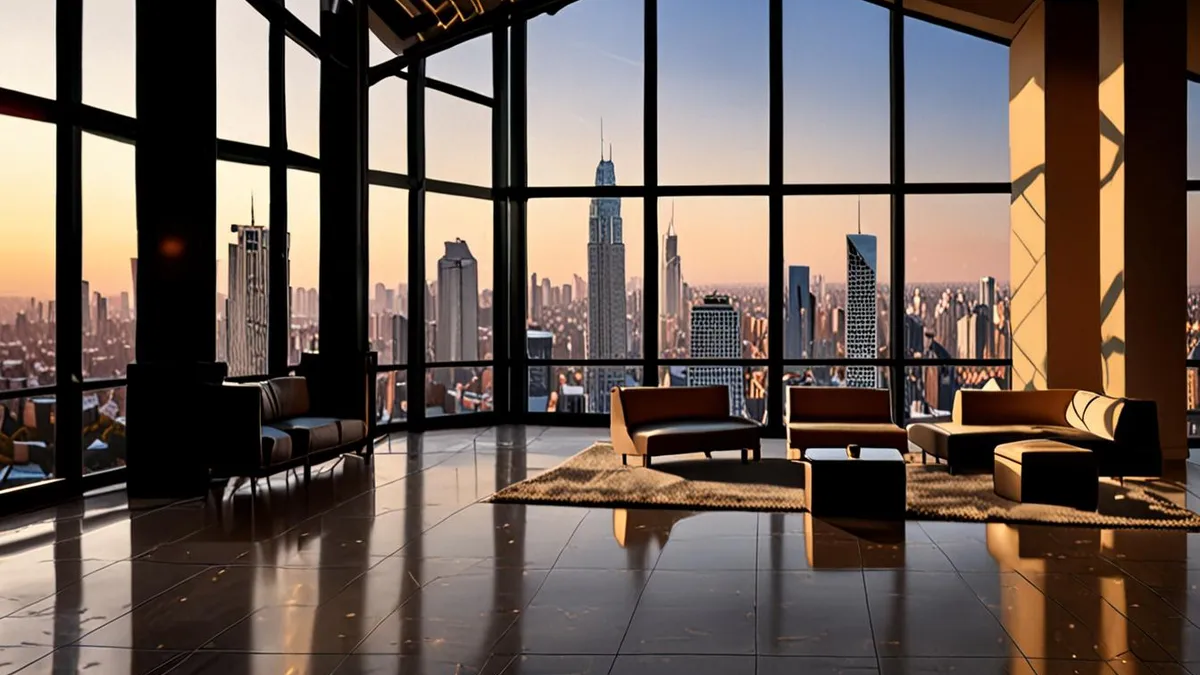
Hotels are the smarter pick for city breaks, where the whole point is walkable access to restaurants, museums and transport hubs. You step out the door and the destination is already around you, no transfers or guided schedules required. That convenience is hard to replicate at a remote lodge, which by nature sits well outside the city center and usually requires a prearranged transfer to reach.
Short stays of 1-3 nights also favor hotels. Check-in flexibility and a 24-hour front desk matter when you arrive on a late flight or leave before breakfast, and remote lodges rarely offer that kind of round-the-clock staffing. If your schedule is built around flights rather than sunrise game drives, a hotel keeps things simple.
Business and layover travelers get clear value too. Hotel gyms, meeting spaces and airport proximity solve practical problems that wilderness properties simply aren’t built for. And at mid-range nightly rates, hotels leave more of your budget free for dining out and city experiences instead of locking it into an all-inclusive lodge rate you may not fully use on a quick trip.
- Use hotel location to skip transport costs. A room near a metro stop or main station can eliminate taxi spending entirely on a short city stay.
- Lean on concierge and front desk knowledge. Staff can point you to neighborhood restaurants, book last-minute museum tickets or store luggage after checkout — small services that add up over a weekend.
- Look for flexible cancellation. City hotels generally offer more forgiving change policies than remote lodges, which helps if your itinerary is still uncertain.
Cost Comparison: What You Really Pay at Each Stay Type
At first glance, the price tags tell a misleading story. A hotel room that looks cheap on a booking site often covers the room and little else. Add the cost of dinners out, taxis and paid day tours, and your real daily spend can climb close to what a lodge charges for a package that already includes food and excursions.
This is the key to comparing the two fairly: a full-service lodge rate often replaces three or four separate bookings. Where a city trip means paying for a room, a restaurant dinner, a guided tour and an airport transfer individually, many lodges bundle most of those into one all-inclusive price. The sticker price is high, but the number of transactions is small, and it is easier to predict your total spend before you leave home.
Which one saves money depends on trip length
Budget travelers staying longer than a week in a single city usually come out ahead with hotels. Self-catering, street food and walking keep daily costs low, and those savings compound over many nights. Short, immersive wilderness trips often break even or even favor lodges, because the included meals and guided activities would otherwise be expensive to arrange piecemeal in remote areas, where options for dining and tours are limited and transport adds up fast.
Before comparing any two rates, ask the lodge exactly what the price covers. Some properties include meals and transfers but charge for activities separately, while others are genuinely all-inclusive. Two rates that look similar on a booking site can differ by hundreds of dollars once you add up what you will actually pay on site, so get a written breakdown before you commit.
How Far Ahead to Book Lodges vs Hotels
Booking windows differ sharply between the two stay types, and getting this wrong is one of the most common (and expensive) mistakes travelers make. The difference comes down to simple capacity: a city hotel with hundreds of rooms can absorb last-minute bookings, while a remote lodge with only a handful of guest spots cannot. Once a small property is full, there is no overflow wing to put you in, which is why early planning matters so much more in the wilderness than downtown.
- Set your dates before contacting a lodge. Remote properties are usually far from the nearest city or airport, so once you commit, changing dates is difficult and can cost you the reservation entirely. Confirm your itinerary before paying any deposit.
- Book lodges 3-6 months ahead. With so few guest spots, popular wilderness properties fill early, especially for the June-September peak in mountain regions and the December-February window in tropical areas.
- Consider shoulder months for lodges. May, October and November often bring lower rates, better availability and fewer crowds, without giving up the core experience.
- Book hotels 2-8 weeks ahead. Most cities have enough hotel supply that a few weeks’ notice is plenty, and this flexibility opens the door to last-minute deals.
One more caution before you pay: cancel and change policies are usually stricter at lodges than at hotels. Read the terms carefully, and only lock in a deposit once your flights and dates are firm. Hotels generally give you more room to adjust if plans shift, which is worth remembering if your trip is still taking shape.
Matching the Stay Type to Your Travel Style
The best stay type depends less on the destination and more on who is traveling and what the trip is for. The same week in the same region can be perfect for a lodge and wrong for a hotel, or the other way around, depending on your group and priorities. Here is how the two match up for common traveler types.
Couples chasing romance and scenery tend to thrive at lodges. Panoramic views, intimate guest counts of 10-40 people and shared dinners create the kind of atmosphere large hotels struggle to replicate. Families with young children, on the other hand, often prefer hotels: room service, pools and predictable routines make travel days far easier when naps and picky eaters are involved. Adventure travelers face a genuine trade-off, since lodge-included guides offer convenience while hotel-based day tours booked separately can offer more choice. Digital nomads should be honest about their needs, because wilderness lodges rarely guarantee the reliable Wi-Fi and dedicated workspace a working trip demands.
- Couples: Look for lodges with private-view rooms or verandas, where the landscape does the decorating and the small guest count keeps evenings quiet.
- Families: Prioritize hotels with connecting rooms and kids’ menus, since these practical details matter more daily than any view.
- Adventure travelers: Compare the cost and quality of lodge-included guides against independent day tours from a hotel base, especially if you want flexibility in choosing activities.
- Digital nomads: Confirm upload speeds and desk space before booking anything remote, and treat hotel business facilities as a genuine requirement rather than a bonus.
The Bottom Line on Lodges and Hotels
If your trip is built around a destination — a national park, a fjord, a rainforest — a lodge is the natural fit. Expect $200-600 per night, often with meals and guided activities bundled in, and plan to book 3-6 months ahead because small lodges fill fast in peak season.
If your trip is built around an itinerary — city sights, short stays, flexible plans — a hotel at $100-250 per night, booked 2-8 weeks out, gives you more freedom and budget for what you do outside your room. In short: choose the lodge when the destination is the priority, and the hotel when flexibility is. Still torn between the two for an upcoming trip? Share your plans or questions in the comments below.