Planning a first safari in Kenya can feel surprisingly complicated. There are dozens of parks and reserves and hundreds of places to stay, and every website claims its camp is the best. If you are not sure whether you should be looking at the Maasai Mara, Amboseli or somewhere quieter entirely, you are not alone. Most first-timers struggle to work out which combination of location, season and price actually fits the trip they have in mind.
This guide breaks the decision into manageable steps. We start by helping you pick the right park before you pick your safari lodge in Kenya, then cover how the seasons shape both wildlife viewing and prices. From there, we look at realistic budgets, the difference between permanent lodges, tented camps and private conservancies, the practical side of flights and booking windows, and how to vet a camp before you commit. By the end, you should be able to shortlist a lodge with confidence rather than guesswork.
Pick Your Park Before You Pick Your Safari Lodge in Kenya
Your choice of park shapes everything else: the wildlife you will see, how crowded the game drives feel, and how many days you need. Getting this decision right first makes choosing a lodge far easier, because many camps only operate in certain areas.
The headline parks
The Maasai Mara is the obvious first choice for many visitors, and for good reason. It offers some of the highest big-cat density in Africa, and between July and October it hosts the Great Migration, when enormous herds move through the reserve and cross its rivers. If lions, leopards and cheetahs top your list, start here.
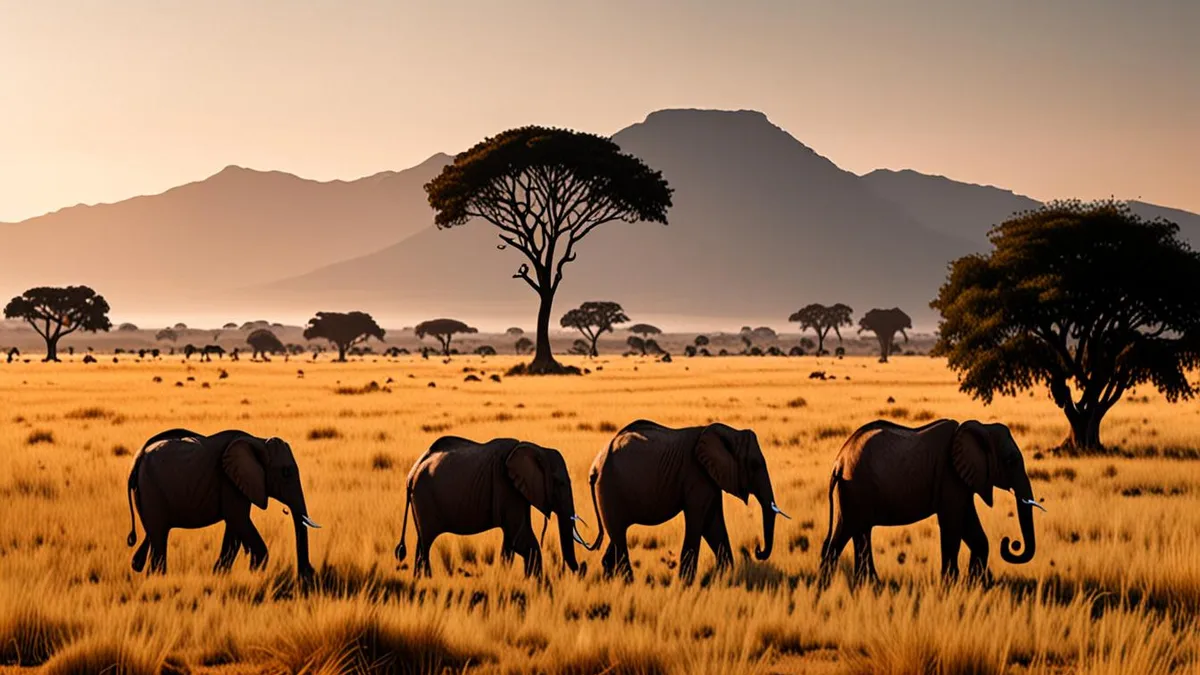
Amboseli in the south is famous for something different: large elephant herds moving across open plains with Mount Kilimanjaro as a backdrop. It sits about 240 km southeast of Nairobi, which makes it a manageable add-on rather than a whole trip on its own.
Quieter alternatives
If crowds worry you, look at Laikipia or Samburu in central and northern Kenya. These reserves see far fewer visitors, and they host rarer species you will not easily find in the south, such as Grevy’s zebra. They suit travelers on a second safari, or first-timers who value solitude over the classic postcard scenes.
Finally, match the park to your trip length. The Mara alone suits a 4-5 day safari, while combining two or three parks realistically needs 7-10 days once you account for transfer time between camps.
Time Your Stay Around the Seasons
Kenya’s seasons have a bigger effect on your safari than almost any other factor, influencing both what you will see and what you will pay. The good news is that the pattern is simple once you know it.
The dry season advantage
The long dry season runs from late June to October, and this is when game viewing is at its easiest. Vegetation thins out, animals gather around permanent water sources, and tracks and roads are in good condition. For a first safari, these months give you the best odds of consistent, close-up sightings without working hard for them.
If your dream is specifically to witness the Great Migration river crossings in the Maasai Mara, target July to October. Herds and predators concentrate in dramatic fashion during this window, which is exactly why it is also the busiest and most expensive period.
When to think twice
The long rains fall from March to May, and this is generally the trickiest time to visit. Some camps close for the season, roads become difficult or impassable, and thick vegetation makes wildlife harder to spot. First-timers are usually better off avoiding these months entirely.
There is one smart alternative: January and February fall in a shorter dry spell, offering good game viewing with lower prices and thinner crowds than the peak. If your dates are flexible and the Migration is not your priority, this window delivers excellent value.
Set a Realistic Budget
Safari pricing confuses first-timers because nightly rates can vary tenfold and still not be directly comparable. Two camps charging similar amounts may deliver very different value once you look at what is actually included. The key is to understand the broad tiers first, then dig into the details.
Entry-level safari lodges start from about $150 per person per night, and this rate is usually full board, meaning accommodation, meals and typically shared game drives are covered. Mid-range tented camps typically run $300-600 per person per night, stepping up in comfort, food quality and often location. At the top end, luxury conservancy camps often exceed $800 per person per night, but that usually buys you private guides, exclusive traversing areas and a very high staff-to-guest ratio.
Before comparing any two nightly rates, check what each price includes. These items make the biggest difference:
- Park and conservancy fees: these official daily fees change regularly, and at some camps they add a meaningful amount per person per day, so confirm whether they are billed separately or included.
- Drinks and laundry: budget rates often exclude soft drinks, beer and even bottled water, while most luxury camps include all beverages, which narrows the real price gap.
- Light aircraft transfers: internal flights between camps are usually quoted separately, so ask for a total trip cost rather than adding up nightly rates.
- Game drive inclusions: confirm how many drives are included and whether extra activities such as night drives or bush walks cost more.
Once you compare total trip costs rather than headline rates, the “expensive” camp sometimes turns out to be the better deal.
Choose Between Lodge Styles: Permanent, Tented or Private Conservancy
Once you know which park you want, the next decision is what kind of place you’ll sleep in. Kenya offers three broad styles, and each changes the feel of your safari more than you might expect.
Permanent lodges and brick-and-mortar comfort
Permanent lodges are built structures with solid walls, real doors and often a swimming pool. They suit first-timers who want reliable amenities after a long flight: steady hot water, air conditioning or good fans, and a proper bar to swap stories at night. If you’re traveling with young children or anyone nervous about “roughing it,” a permanent lodge removes a lot of the guesswork.
Tented camps and private conservancies
Luxury tented camps are the romance option. Think canvas walls, a proper bed, en-suite bathrooms and often an outdoor shower under the stars. Modern tented camps are far more comfortable than the phrase suggests, and many travelers find the sounds of the bush at night are half the experience.
Stays inside private conservancies work differently. Because access is limited to guests of the conservancy, you can usually do night drives and walking safaris, activities that national parks restrict. You’ll also share sightings with far fewer vehicles, which makes for calmer encounters with lions and elephants.
Reserve-based camps inside the main parks cost less, and that’s their main appeal. The trade-off shows up in high season, when game drives can involve clustering around a sighting with a dozen other vehicles. If your budget points you toward a reserve camp, ask how many vehicles the camp runs and how busy the area gets in your travel month.
Plan Logistics: Access, Flights and Booking Windows
Getting to your lodge and booking it at the right time matters as much as picking the lodge itself. Kenya’s best camps are small, often with a dozen tents or fewer, so the calendar works against late planners. A little sequencing on the practical side of your trip goes a long way toward a smoother safari, and it starts before you ever click “book.”
- Decide how you’ll reach the Maasai Mara. A light aircraft flight from Nairobi takes about 45 minutes and lands you at an airstrip close to your camp, meaning you can be watching elephants the same afternoon you land. The alternative is a road transfer of roughly 5-6 hours over the approximate 270 km route, much of it on rough, dusty sections, so flying saves a full day of travel each way. If you’re prone to motion sickness or traveling with young children, the flight is usually worth the extra cost.
- Slot Amboseli in as an add-on if time allows. Amboseli sits roughly 240 km southeast of Nairobi and works well as a 2-3 night addition, especially if you want elephant herds against Kilimanjaro views without committing your whole itinerary there. It pairs naturally with a Mara stay for travelers with a week or more.
- Book peak season early. For July-October travel, plan 6-12 months ahead. The best-regarded camps sell out first, and by the time you’re searching a few months out, your options shrink to whatever’s left, often at less appealing locations or rates.
- Check what the rate actually includes. Most lodges include two daily game drives in their rates, but not all do, and drinks, park fees and internal flights vary widely between camps. Ask for a full written breakdown so you’re comparing true value across properties, not just headline prices.
One more practical note: light aircraft flights into the Mara have strict luggage limits, usually around 15 kg in soft-sided bags only, since the small planes have limited cargo space and no room for hard suitcases. Pack duffel bags rather than wheeled luggage, and confirm the exact allowance with your operator before you fly. Ask whether laundry service is available at camp, because that lets you pack lighter and stay within the limit. A little logistics planning here protects the rest of your trip.
Read Between the Lines: How to Vet a Camp Before Booking
Two camps can use nearly identical marketing language and deliver completely different experiences. The difference usually shows in the details, and you can uncover most of them before you pay a deposit. Start with reviews, then go deeper than the marketing name.
Recent guest reviews are your best source of truth. Focus on ones from the past year or two, since camps change management, refurbish, or sometimes let standards slip. Look for patterns rather than one-off complaints: repeated praise for guides means something, and repeated mentions of tired rooms or inconsistent food mean more.
Location claims deserve special scrutiny. Some camps use the name of a famous park or conservancy while actually sitting hours outside the gate, which means long transfers before your first game drive. Verify exactly where the camp sits within the park or conservancy, using maps and direct questions to the camp itself.
- Ask about guide-to-guest ratios. A dedicated guide and vehicle per booking group gives you flexibility to linger at sightings and follow your own interests, while shared vehicles mean compromise on where you go and how long you stay.
- Check the vehicles themselves. Open-sided vehicles make an enormous difference for photography and visibility compared to closed minibuses with small windows, so confirm what you’ll actually ride in.
- Look at community and conservation ties. Camps that employ locally, support nearby communities or fund conservation work tend to offer richer interactions and a stay that gives something back, not just a bed near the animals.
Ten minutes of this kind of vetting protects a significant investment. Send your questions directly to the camp or your tour operator, and treat vague or evasive answers as useful information in themselves.
Your First Kenyan Safari, Simplified
Choosing a safari lodge in Kenya feels overwhelming at first — dozens of parks, hundreds of camps, and prices that range from around $150 per person per night to well over $800. But it gets simple once you work in order. Start with the park that matches your wildlife priorities and trip length, whether that’s the Maasai Mara for big cats, Amboseli for elephants beneath Mount Kilimanjaro, or a quieter reserve for something different.
Then align your dates with the dry seasons and book any July-October stay 6-12 months ahead, since the best camps sell out first. Balance your budget against lodge style and access, and vet recent reviews before you commit. Do those four things and you’ll end up with a lodge that fits your trip instead of fighting it. If this guide helped you plan, leave a comment or share it with a fellow traveler.