Glamping for beginners sounds simple: book a tent with a bed, show up, enjoy. In practice, first-timers often book the wrong unit at the wrong time and arrive unprepared, turning a luxury escape into an uncomfortable and overpriced letdown. A canvas yurt on a cold September night, a site with no shop for ten miles, or a bill twice the advertised price — these are the mistakes that sour people on glamping before they’ve given it a fair chance.
The good news is that every one of these problems is avoidable with a little planning. This guide walks through the six most common beginner mistakes, from choosing the right accommodation type and timing your booking, to researching sites properly, budgeting realistically, packing for cold nights and understanding what “luxury” actually means on site. Get these basics right and your first trip becomes an easy, comfortable step up from camping.
Choosing the Wrong Accommodation Type for Your Comfort Level
The single biggest decision you’ll make is which type of unit to book, and beginners get it wrong more often than any other step. The trouble is that “glamping” covers everything from a basic wooden pod to a canvas lodge with a full kitchen, and the labels tell you very little until you’ve stayed in one.
The main options, honestly explained
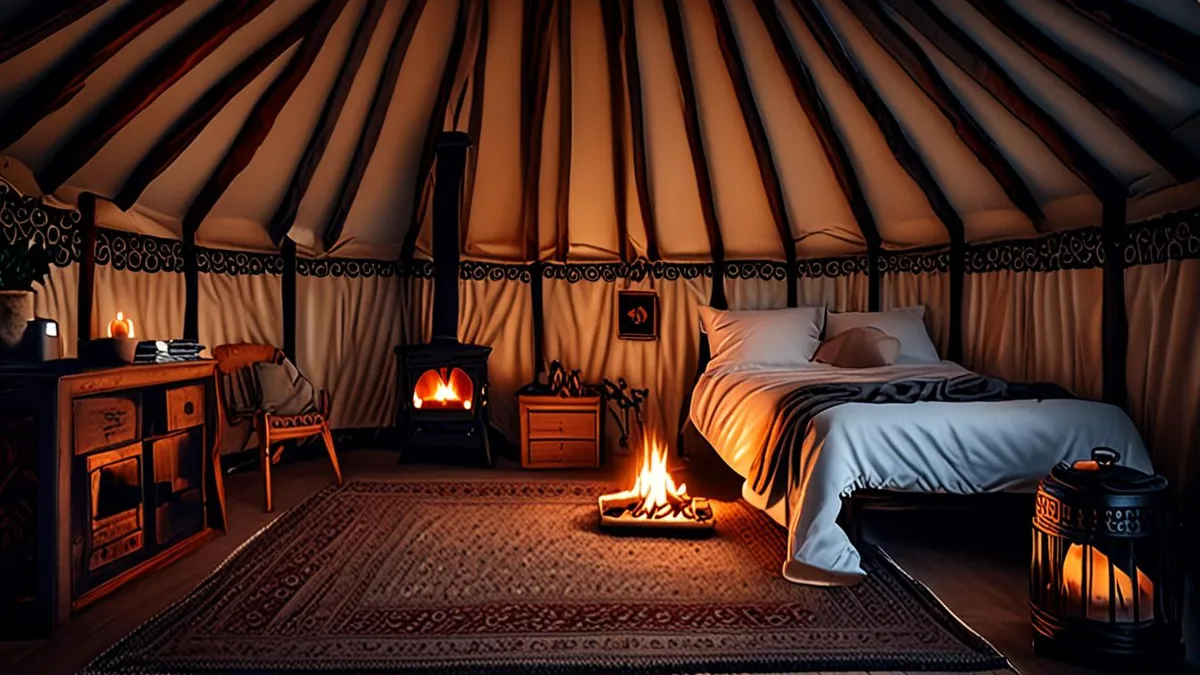
Yurts and domes suit beginners who want a real bed and heating but can accept a shared washblock. You’ll sleep comfortably and stay warm, but you’ll walk — sometimes across grass in the dark — to reach the toilets and showers. For many first-timers that’s a perfectly fair trade for the experience of sleeping somewhere genuinely different.
Safari tents offer the most hotel-like setup, with en-suite bathrooms and full kitchens, at the highest price. If you want glamping to feel as close as possible to a self-catering cottage, this is the option that delivers it. Camping pods and cabins are the gentlest entry point: they’re often the cheapest, and they feel closest to a simple hotel room, with solid walls, a lockable door and no canvas between you and the wind.
Matching the unit to your group
Families need space and cooking facilities, so a safari tent or a larger cabin usually makes more sense than squeezing into a pod with a single burner. Couples can downsize comfortably — a yurt or pod for two is often more atmospheric and easier on the budget than a big unit with beds you won’t use. Be honest about your comfort level rather than the photos: if you’d balk at a shared washblock, don’t book one just because it’s cheaper.
Booking Too Late or in the Wrong Season
Glamping sites are small — many have only a handful of units — so availability disappears far faster than it does at a hotel or campsite. Leave your booking too late and the good summer weekends are simply gone, or what’s left is the least popular unit at the highest price. Timing matters just as much in the other direction, too: the season you pick shapes the weather, the crowds and what you’ll pay.
As a rule of thumb, book summer weekend stays three to six months ahead, because peak July and August slots sell out first. If your dates are flexible, aiming for May, June or September usually means milder weather, lower prices and fewer crowds. It also helps to know a few patterns before you start searching:
- Many sites enforce a 2-night minimum stay on weekends, so a one-night dash rarely works — build the extra night into your plan or look at midweek dates instead.
- Shoulder-season trips can often be booked just four to eight weeks in advance, which is handy if you like deciding things spontaneously rather than planning months out.
- Midweek dates in peak months are frequently easier to find than weekend slots, so shifting your stay by a day or two can open up far more choice.
If you’re weighing up which month to go, it helps to see how weather and prices shift across the whole UK glamping season before you commit to dates.
Picking a Site Without Proper Research
Booking pages are designed to show every unit at its best, which is exactly why photos alone are a dangerous way to pick a site. Wide-angle shots make compact domes look spacious, golden-hour lighting hides muddy ground, and the details that matter most — road access, phone signal, shower queues — rarely appear in the gallery at all. Two sites can look identical online and feel completely different on the ground, so a little structured research before you pay saves a lot of disappointment later.
- Shortlist three or four sites. Give yourself a genuine comparison rather than falling for the first pretty dome you see, and note what each one actually includes for the price.
- Compare recent reviews, not just photos. Look at reviews from the last season or two, and pay attention to comments about cleanliness, noise and how the site handles wet weather — things photos never show.
- Check travel time and road access. A remote site can add hours to a weekend trip, especially down narrow single-track lanes, so map the actual drive from your door before booking.
- Confirm what is actually on site. Showers, kitchen, shop, phone signal — verify each one exists rather than assuming, because “kitchen” can mean anything from a full range to a single camping stove.
- Read the cancellation terms carefully. Weather and illness are common reasons to rebook, so know before you pay whether you can move dates and what it will cost.
Work through these steps and you’ll book with a clear picture of what you’re getting, not just what the marketing promises. It takes an hour or so of checking, and that hour is usually the difference between a trip that matches your expectations and one that doesn’t. For a deeper walkthrough of comparing sites, facilities and locations, our practical guide to choosing a glamping site covers the process in more detail.
Underestimating the Real Cost of a Glamping Trip
Glamping looks affordable when you first land on a booking page, but the advertised price rarely tells the whole story. Most sites lead with a “from” rate that applies to a midweek night in low season, which is often the cheapest combination of dates you could possibly pick. Search for your actual dates — a Friday and Saturday in July — and the number can look very different.
As a rough guide, a yurt or dome in the UK typically runs £90–£180 per night, while a safari tent sits at the top end at £150–£300 per night. If you are still weighing up which type of unit suits your budget and comfort level, it helps to compare the options side by side in a yurt vs dome vs cabin comparison before you commit.
Beyond the nightly rate, plan for extras. Firewood bundles, on-site activities, pizza nights and café meals are common add-ons, and most families spend somewhere in the region of £20–£50 per stay on these little extras. They are easy to underestimate because they feel small individually, but they add up over a weekend.
Budget sites sometimes charge separately for bedding and towel hire, so read the fine print before assuming everything is included. A few pounds per person per night for linen can quietly change your total. Before booking, work out the full cost for your exact dates, including extras and any linen charges, and compare that figure across your shortlist rather than the headline price.
- Firewood is often sold per bundle rather than per night, so a two-night stay with evening fires may need two or three bundles — check whether the site includes a starter supply.
- Some sites add a booking or card-processing fee at checkout that only appears in the final payment step, so always review the total before confirming.
- Dog-friendly units frequently carry a supplement per pet per stay, which is worth factoring in if you travel with a four-legged family member.
- On-site food options like wood-fired pizza evenings or a small café can save you driving to the nearest village, but budget for them if you plan to eat in rather than cook.
Packing Wrong: What First-Timers Forget
Packing for glamping sits in an awkward middle ground: you are not roughing it, but you are not in a hotel either. The most common mistake is packing for the daytime forecast and forgetting the nights. Even in summer, UK nights can drop below 10°C, so bring layers for evenings outside and warm sleepwear for bedtime. A fleece you never wear at home becomes the most-used item in your bag.
The second thing first-timers forget is light. Many sites have little or no path lighting after dark, and the walk from your unit to the washblock or the car park can be genuinely pitch black. A torch or headlamp for each adult — not one per group — saves fumbling and stumbling.
Footwear matters more than you would expect. Ground between units and shared facilities is often grassy and can turn muddy after rain, so pack wellies or sturdy shoes rather than relying on sandals and trainers alone.
Finally, check what your unit already provides before you pack the car. Many glamping operators supply cookware, crockery and bedding as standard, so bringing your own means wasted boot space. A quick email or a look at the site’s listing page settles it in minutes.
- A hot water bottle or small extra blanket is a cheap upgrade for chilly nights, especially if you sleep cold even indoors.
- Bring a power bank for charging phones, as sockets in canvas units and pods are limited or sometimes absent entirely.
- Pack a few bin bags or a reusable tote for muddy boots and wet clothes, since drying space can be limited.
- Basic kitchen staples — oil, salt, tea, coffee — are worth bringing, as units may provide pans but rarely a stocked pantry.
- A small first-aid kit with plasters and antiseptic wipes covers the minor scrapes that come with outdoor living.
Misjudging What ‘Luxury’ Actually Means On Site
The word “luxury” on a glamping listing covers a wide range of realities. What you can almost always count on is the core promise: a real bed, solid walls or canvas over your head, and some form of heating. What you should not expect at most sites is daily housekeeping, room service or a reception desk — glamping is a step up from camping, not a country house hotel.
Bathrooms and noise: the two biggest surprises
Shared washblocks are completely normal at many yurt and dome sites, and they are usually clean and well maintained — but if private bathrooms matter to you, verify the setup before booking rather than assuming. Safari tents more often include en-suite facilities, while pods and cabins vary widely. One listing photo of a lovely bathroom tells you nothing about whether it belongs to your unit or the whole field.
Noise is the other surprise. Sound carries in canvas, so conversations, children and closing doors are all more audible than in a solid building. Most sites enforce quiet hours in the evening, which keeps things peaceful — but plan lively evenings accordingly, and bring earplugs if you are a light sleeper.
Know your kitchen before you plan your meals
Cooking facilities range enormously, from a full kitchen with an oven and fridge to nothing more than a single campfire grill. This changes what you can realistically cook, so confirm what your unit has before writing a meal plan. If you are expecting to roast a chicken but your unit offers a fire pit and a grate, you will be improvising dinner on night one. A short message to the site owner clears up all of these details in minutes and prevents the most common first-trip disappointments.
Your First Glamping Trip, Done Right
Most first glamping trips go wrong for simple reasons: the wrong unit, the wrong dates and a suitcase full of assumptions. Pick a unit type that matches your comfort needs, book shoulder-season dates early and research sites properly before you pay. A shortlist of 3–4 options, compared on reviews, facilities and travel time, beats a rushed booking every time.
Then set yourself up on site. Budget for the true nightly rate plus extras, pack for cold nights and set realistic expectations about what “luxury” means when canvas walls are involved. Get these basics right and your first night under canvas should feel far more like a treat than a test — the kind of trip you’ll already be planning to repeat before you’ve packed the car. If this guide helped you plan yours, leave a comment or share it with a friend who’s thinking about sleeping somewhere other than a hotel for the first time.