Staying at a lodge is nothing like checking into a big hotel, and that is exactly what makes it wonderful — and a little nerve-wracking. Tipping norms, dress codes and even how you greet staff can change completely from one country to the next, and many travelers worry about unintentionally offending someone. Should you tip your safari guide in cash? Can you tip at all in Japan? Is dinner really that formal?
Good lodge etiquette is easier than it looks once you know the basics. This guide walks you through why lodges feel different from hotels, how tipping works in North America, Europe, Africa and Asia, and how to behave in shared spaces like dining rooms and fire pits. We also cover safari lodge manners, regional customs around the world, and smart booking and departure habits. With a little preparation, you can relax and enjoy every lodge, from a tented camp to an alpine chalet, without a second of awkwardness.
Why Lodge Etiquette Differs From Hotel Etiquette
Walk into a large hotel and you can go days without a real conversation with anyone beyond the front desk. Lodges work differently. Most are small, often with a handful of rooms or tents, so you will eat near the same guests every evening, pass the same guides each morning and get to know staff by name. That intimacy is the charm of a lodge — and the reason good manners matter more here than anywhere else in your travels.
Because the property is compact, shared spaces do a lot of the work. The dining room, the fire pit, the lounge and sometimes the game-drive vehicle are all communal territory. Noise carries, seats fill up quickly, and one inconsiderate guest can change the atmosphere for everyone. Simple awareness — keeping your voice down at night, giving up a chair, arriving on time for dinner — goes a long way.
Staff live where you stay
In remote locations, most staff members live on site, sometimes just behind the main buildings. Their quarters are their home, not a back-of-house zone to wander through. Treat paths, storage areas and staff villages with the same respect you would want for your own neighborhood. A friendly greeting when you pass someone on a trail costs nothing and sets the tone for your entire stay.
The bottom line: in a lodge, you are a guest in someone’s small community, not a room number in a tower. Behave accordingly and the whole experience improves.
Tipping Norms by Region: North America, Europe, Africa and Asia
Tipping is where lodge etiquette causes the most anxiety, because the rules genuinely change at every border. In the United States and Canada, gratuity is expected, not optional. A good rule of thumb is 15-20% of the bill, and at lodges it is common to hand tips directly to the people who served you — your fishing guide, your trail guide, and housekeeping. Many properties provide envelopes at checkout to make this easier.
Europe works on a different logic. Service is frequently included in the price already, so tipping becomes a gesture rather than an obligation. Rounding up the bill or adding 5-10% for exceptional service is appreciated, but nobody will think poorly of you for keeping it modest. In Africa, safari lodges usually simplify things with a communal tip box, and a suggested $10-20 per guest per day for the guiding team is a common benchmark. If you are planning your first safari, it helps to read up before you go — how to choose a safari lodge in Kenya as a first-timer covers what to expect on the ground.
Japan is the exception that surprises everyone. There is no tipping culture, and attempting to press cash on staff can cause genuine awkwardness, since excellent service is simply the standard. A sincere thank-you is the appropriate reward.
- Envelopes and tip boxes: many lodges, especially in Africa, provide a locked communal box so gratuities are shared fairly across the whole team, including kitchen and cleaning staff you may never meet.
- Cash in local currency: small denominations are usually preferred, so plan ahead if you are arriving somewhere remote without ATMs.
- Group tips: if you travel with a group, one pooled tip handed to the manager with a short explanation often works better than a dozen scattered handouts.
- Non-monetary thanks: a written note mentioning staff by name can be worth as much as cash, and managers often use it when deciding on promotions.
Shared Space Etiquette: Dining Rooms, Fire Pits and Lounges
Shared spaces are the heart of lodge life, and they run on a simple principle: what is pleasant for you should stay pleasant for everyone else. The clearest rule involves noise. Wilderness lodges and glass-walled properties are built so you can hear the bush or the mountains, which means sound travels beautifully — in every direction. Quiet hours typically run from about 10 pm to 7 am, so save loud conversations and music for earlier in the evening.
Communal dinners and fixed seating
At many lodges, dinner is a single communal sitting, and at safari and ski lodges fixed seating is common — you may have the same table and dinner companions for your entire stay. Wait for the host or guide to seat you rather than claiming a chair on arrival. If the seating turns out to be assigned, take it gracefully; a few nights of conversation with strangers often ends in exchanged contact details and a standing invitation to visit.
Alpine properties have their own rhythm, and if you are new to them, it helps to know what an all-inclusive ski lodge in the Alps is really like before you arrive — the dining and après-ski customs can feel formal at first.
Phones, lounges and fireside politics
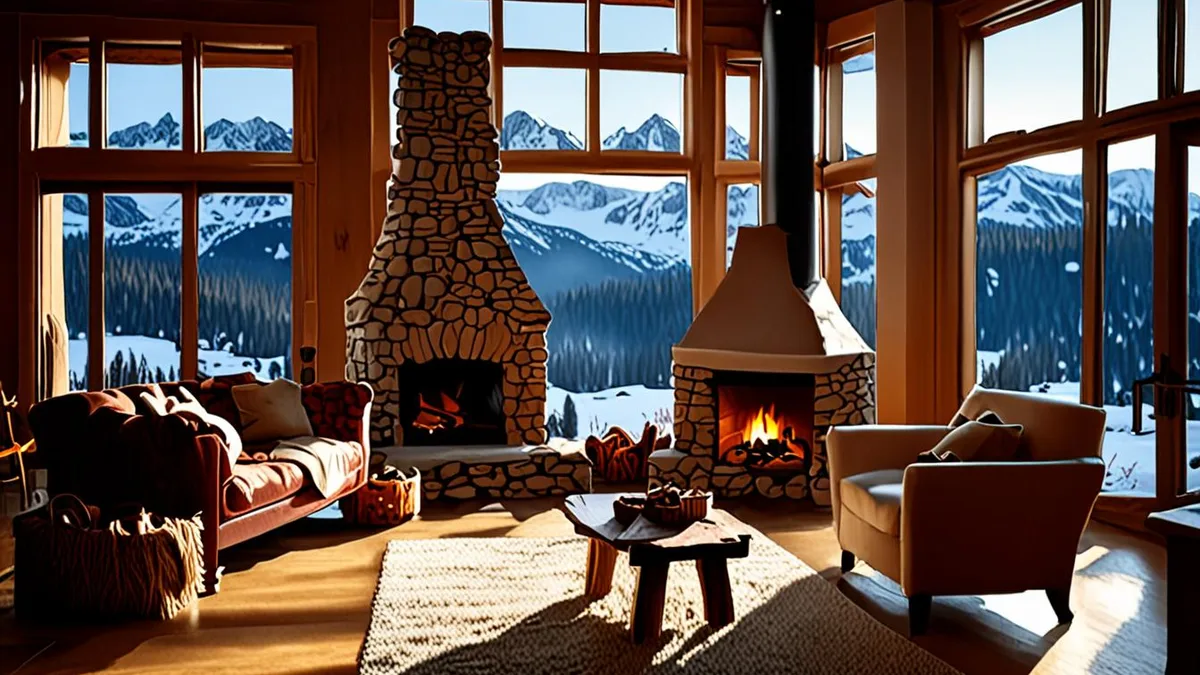
Keep your phone on silent in lounges and shared indoor spaces, and take calls outside or to your room. The lounge exists for quiet reading, board games and conversation, not for video calls at full volume. As for the fire pit: the best chairs by the flames are communal treasure. Settle in, enjoy the warmth, but never monopolise the prime seats all evening. Rotating spots, offering your chair to an older guest, or simply stepping away for an hour keeps the goodwill flowing as steadily as the fire.
Etiquette at Safari and Wilderness Lodges
Safari and wilderness lodges operate by a different set of rules than city hotels, and most of them exist for one reason: safety and the quality of the wildlife experience. Your guide is the authority on the vehicle, and following their instructions is not optional. If they say stay seated, stay seated. If they say be quiet, whisper. Guides carry years of training about animal behavior, and a guest who stands up or calls out can spook an animal or, worse, draw its attention toward the vehicle.
Keep your voice low at sightings and remain inside the vehicle unless your guide explicitly says otherwise. This applies even when the animal looks far away or completely relaxed. Predators can move surprisingly fast, and habituated animals behave unpredictably around people. Resist the urge to ask for off-road detours or to push closer for a better photo. Many reserves prohibit off-road driving entirely, and pressuring your guide puts them in an awkward position with park authorities and their employer.
Dress matters more at lodges than most travelers expect. Neutral colors such as khaki, olive and beige help you blend into the landscape on drives, while dark blue can attract tsetse flies in parts of Africa and bright colors can disturb wildlife. Evenings bring a different expectation entirely.
- Binoculars and camera gear: keep them on your lap, not swinging around your neck, so you never block another guest’s view during a sighting.
- Dinner dress code: many safari lodges enforce a smart-casual standard at dinner, so pack a collared shirt or a simple dress rather than safari gear around the fire.
- Camouflage clothing: avoid it altogether, as it is reserved for military use in several African countries and can cause real problems at checkpoints.
- Walking safaris: wear muted, neutral tones and closed shoes, and always walk in single file behind the armed guide leading the group.
Regional Customs: What Politeness Looks Like Around the World
Politeness does not translate directly across borders, and nowhere is that clearer than in Japan. Remove your shoes at entry points whenever you see a shoe rack or a raised floor, keep your voice low in shared areas, and avoid tipping entirely. Excellent service is the standard, and offering cash can create genuine awkwardness for staff who have no way to accept it gracefully.
Scandinavia and Lapland
In Scandinavia and Lapland, punctuality is a form of respect. If a northern-lights outing or a husky sled ride is scheduled for a set time, arrive a few minutes early, because guides plan around weather windows that will not wait. Quiet, understated behavior is equally valued, especially in nature. Loud conversation on a snowshoe trail or at a lakeside sauna is considered poor form, and leaving natural spaces exactly as you found them is a core expectation rather than a suggestion.
East Africa, Zanzibar and North America
In East Africa and Zanzibar, greetings carry real weight. A friendly hello, ideally with a few words of Swahili such as jambo, before you make any request builds rapport with staff in a way that a direct demand never will. Take a moment to greet the person serving your breakfast before asking for extra coffee, and you will notice warmer service for the rest of your stay.
In North America, the dynamic flips. Friendly small talk with staff is completely normal, and direct requests are expected. If something is not right with your room, saying so plainly and politely is considered appropriate, not rude. Staff genuinely want to fix problems, and a clear, direct ask is the fastest way to help them do it.
Booking, Arrival and Departure Etiquette
Good lodge etiquette starts long before you arrive. Because lodges are small, often with only a handful of rooms, they cannot absorb last-minute changes the way a large hotel can, so the way you book and communicate sets the tone for your whole stay. A little planning upfront makes everything smoother for you and for the staff hosting you, and it signals that you respect how these places actually operate.
- Book well ahead. Reserve most popular lodges 3-6 months in advance, and plan 6-12 months ahead for peak safari season, when the best camps fill up first and space is genuinely limited.
- Share your dietary needs early. Remote lodges order provisions before you arrive, sometimes weeks in advance, so mention allergies, vegetarian or religious requirements at the time of booking rather than at dinner.
- Confirm your arrival time. Remote lodges often plan meals, staff schedules and transfers around your arrival, so a delayed flight or changed ferry time should be communicated as soon as you know.
- Settle extras the night before departure. Review and pay any unpaid charges, such as drinks, laundry or spa treatments, on your final evening so checkout stays quick and the morning handover runs smoothly.
- Check out on time. Small teams need to turn rooms around between guest arrivals, and a late departure can delay the next traveler’s check-in.
Departure is also the natural moment to handle gratuities, whether you give them directly to guides and housekeeping or use the lodge tip box, depending on the region’s norms. Some all-inclusive ski lodges include gratuities in the package price, so check what your booking covers before handing out extra cash. Hand over any keys, radios or borrowed gear at reception, and take a minute to thank the staff by name if you can. It costs nothing, and at a small lodge it is remembered far longer than at a big hotel.
The Takeaway: Traveling With Confidence at Any Lodge
If you’ve ever hesitated over a tip envelope or wondered whether to greet staff first, you’re not alone. Lodge customs and tipping norms really do change from country to country, and the fear of unintentionally offending a guide or fellow guest keeps many travelers on edge. The good news is that the rules are simple once you know them: tip by region, be considerate around other guests, and adapt to local customs wherever you land.
A little research before arrival prevents awkward moments and earns warmer service everywhere. Follow these norms and any lodge, from safari camp to alpine chalet, will feel welcoming. Have you picked up a lodge custom that surprised you? Share your story in the comments or pass this article along to a fellow traveler.