If you’ve never slept in a yurt, dome or safari tent before, it’s natural to wonder whether glamping sites safe enough for a first trip. A canvas roof in the countryside sounds romantic, but first-timers often worry about break-ins, storms, cold nights and what happens if someone gets ill far from a hospital. These are fair questions, and the honest answer is that most risks are small and manageable with a bit of preparation.
This guide walks through the areas that actually matter: how secure a site typically is, how weather affects different types of units, and the health basics like hygiene, water and first aid that are easy to overlook. You’ll also find practical advice on vetting a site before you book and simple habits that keep you safe once you arrive. By the end, you’ll know exactly which questions to ask an operator and which red flags to walk away from.
Are Glamping Sites Safe? The Short Answer
The short answer is yes: glamping sites are generally very safe, and noticeably safer than pitching a tent on your own in the wild. The main differences come down to structure and people. Glamping units are solid, purpose-built accommodations rather than lightweight tents, many have lockable doors and windows, and most sites have hosts or wardens living on site who can respond quickly if something goes wrong.
The three risk areas that actually matter
That said, no accommodation is risk-free, and glamping is no exception. The genuine risks fall into three buckets. First, site security: whether your unit locks properly and whether the site itself feels supervised. Second, weather exposure: canvas structures handle storms differently from insulated cabins, and the season you travel in makes a big difference to your comfort. Third, health basics: clean washrooms, safe drinking water, first aid provision and how far you are from a pharmacy or medical center.
Here’s the encouraging part: most problems glampers encounter come from poor preparation rather than from the accommodation itself. A traveler who books a bell tent in a stormy month without heating, or who never checks whether doors lock, is asking for trouble. A traveler who vets the site, picks the right season and packs sensibly rarely has any issues at all. The rest of this guide shows you exactly how to be that second kind of traveler.
Site Security: Locks, Lighting and Staff
Security is where glamping sites vary the most, so it pays to check the details before you book rather than after you arrive. Some units have solid timber doors with proper locks; others have zip-up entrances that offer little more than privacy. Yurts and safari tents in particular vary widely from one operator to the next, so always ask directly whether doors and windows lock before you commit to a booking.
The site itself matters just as much as the unit. A well-run site gives you layers of protection: people, access control and lighting all working together. When you’re comparing options, our guide on how to choose a glamping site covers the booking questions in more detail. For security specifically, look for these features:
- On-site hosts or wardens: someone who lives on or next to the site can respond to noise, intruders or emergencies within minutes rather than hours.
- Gated vehicle access: a barrier or gate that limits who can drive in makes opportunistic theft from cars far less likely.
- Good path lighting: illuminated walkways to washrooms and reception reduce both accident risk and the feeling of isolation after dark.
- Secure valuables storage: many luxury sites offer in-unit lockboxes or secure storage at reception for passports, cash and electronics.
Size plays a role too. Small sites with roughly 5-15 units usually feel more secure and personal than large, multi-field campsite-style operations, simply because hosts know who belongs on site and strangers stand out. If you’re traveling with expensive cameras or laptops, make the valuables question one of your first asks when you enquire.
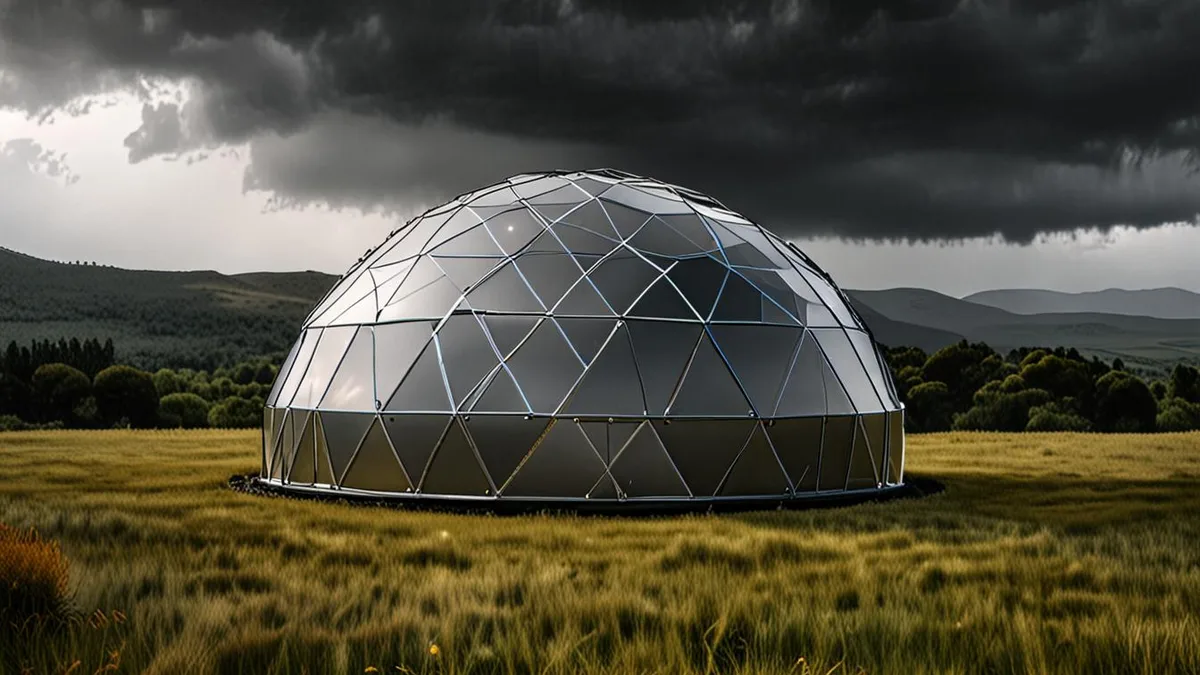
Weather Risks: Choosing the Right Season and Site
Weather is the biggest comfort factor in glamping, and choosing the right season matters more than almost any other booking decision. The UK glamping season typically runs from April to October, with May to September offering the most reliable weather. If you want warm evenings, long daylight and dry ground underfoot, aim for that central window.
Shoulder-season trade-offs
Traveling in April or October can be a smart way to save money and avoid crowds, with shoulder-season stays often costing £80-£200 per night. The trade-off is colder nights and a higher chance of rain, so pack proper layers and check exactly what heating the unit provides before booking. For a fuller breakdown of months, prices and conditions, see our guide to the best time of year for glamping in the UK.
Choosing a structure that suits the conditions
Not all units handle bad weather equally. Canvas structures like bell tents cope with wind and rain less well than insulated domes and solid cabins, so if you’re traveling outside the peak summer months, favor the more robust options. Quality sites provide heating or wood burners, keeping interiors comfortable even when nights drop below 10°C, but confirm this for your specific unit rather than assuming.
It’s also worth asking operators directly how the site performs in storms. Good answers will mention drainage around the units, well-maintained guy lines on canvas structures, all-weather paths between facilities and backup heating if a wood burner goes out. Finally, book peak-season stays 3-6 months ahead. Popular sites can sell out 6+ months in advance, and booking early means you can pick both a site and a unit type genuinely suited to the conditions rather than settling for whatever’s left.
Health and Hygiene Considerations
Hygiene is where glamping trips most often go wrong, and it rarely has anything to do with the accommodation itself. Before booking, ask the operator how often shared washrooms are cleaned and whether that schedule holds on busy weekends. A well-run site should answer without hesitation. Also confirm the drinking water: it should either be mains-fed from the tap or come from a clearly labeled source, so you are never guessing whether that rustic-looking tap is safe to drink from.
Location matters for health too, not just scenery. Most UK glamping sites sit within a 30-60 minute drive of a town with a pharmacy or medical center, but some remote sites stretch that further. If you take regular medication or are traveling with children, it is worth checking the nearest pharmacy’s distance before you commit, especially for sites in the Scottish Highlands, rural Wales or on the coast.
Summer brings its own minor hazards. Woodland and waterside sites tend to have more midges and ticks in the warmer months, and ticks in particular deserve respect. Pack insect repellent and antihistamines even at luxury sites, since a swollen bite can spoil a holiday faster than a rainstorm.
Fire safety inside your unit is worth a quick check on arrival. Well-run sites display fire extinguishers and smoke alarms in each unit and keep emergency contact information on site, but standards vary between operators, particularly for canvas structures. If you are weighing up which type suits you best, comparing options like a yurt, dome or cabin glamping stay can help you understand which structures come with better built-in safety features.
Finally, bring your own first aid kit. Even high-end sites rarely provide more than the bare essentials, and a small kit with plasters, antiseptic wipes, blister plasters and painkillers covers most glamping mishaps.
- Tick removal tool: a small tick twizzer or fine-tipped tweezers costs little and makes safe removal far easier than trying to pull a tick out with fingers.
- Antiseptic hand gel: useful for washroom blocks that run out of soap, and essential before handling food in a shared kitchen or campfire area.
- Rehydration sachets and diarrhea relief tablets: sensible backups if the drinking water turns out to be from an unlabelled source or your stomach disagrees with a change in diet.
- Prescription medication plus a spare day’s supply: if a pharmacy is an hour away, a lost or damaged pill bottle becomes a real problem rather than a small inconvenience.
- Blister plasters and a small roll of medical tape: glamping often involves more walking on uneven ground than people expect, and sore feet are the most common complaint on multi-day trips.
How to Vet a Site Before You Book
The best way to avoid a disappointing glamping trip is to vet the site before you pay anything. Photos can hide a lot: a wide-angle shot can make a compact dome look spacious, and a summer listing photo won’t show you how cold that same unit gets on a wet night in September. So go beyond the operator’s own listing and dig into what recent guests actually experienced. A few direct questions and a careful read of the small print will tell you more than any brochure, and the whole process takes less than half an hour.
- Read recent reviews with a filter in mind. Search reviews specifically for mentions of cleanliness, heating, security and how hosts handled bad weather. A single review describing a stormy night with a responsive host tells you more than a dozen generic five-star ratings. Pay attention to how recently the reviews were posted too, as sites change owners and management.
- Ask direct questions before booking. Email or call the operator and ask: What heating is provided? Are doors and windows lockable? What is your emergency procedure? Quality operators supply heating or wood burners that keep interiors comfortable even when nights drop below 10°C, so hesitation on that point is telling. Slow or evasive answers are a useful signal about how the site is run.
- Match the price to the facilities. Sites charging £150-£400 per night in July-August should offer mains power, heating, and en-suite or near-private facilities. If a high-season rate comes with shared washrooms a field away, ask why. There’s nothing wrong with simpler sites, but the rate should reflect what you actually get.
- Check the cancellation and severe-weather policy. Cross-check the operator’s refund terms before paying a deposit, especially for shoulder-season trips when storms are more likely. Some operators offer rebooking rather than refunds, which may suit you fine, but only if you know in advance. Get the policy in writing so there is no dispute later.
Doing this vetting removes most of the risk of an unpleasant surprise, and it costs you nothing but a little time. Well-run operators welcome these questions and answer them promptly, often within a day. If a site makes it hard to get straight answers before you arrive, that difficulty usually continues after you have paid, so treat poor communication as a reason to book elsewhere.
Staying Safe Once You Arrive
Once you arrive, spend your first half hour getting oriented rather than unpacking. Walk the whole site in daylight and locate the fire points, water taps, washrooms and the nearest exit route back to your car or the road. Doing this in the dark, or during an emergency, is far harder.
Fire is the biggest avoidable hazard on any site with canvas accommodation. Follow the site’s fire rules strictly: never cook or use open flames inside canvas units, no matter how cold or wet it gets outside. Use the designated cooking areas instead, and keep stoves away from guy lines and tent walls.
Night-time habits matter as well. Secure doors and windows whenever you leave the unit or go to sleep, and store all food in sealed containers so you do not attract foxes, rodents or worse. Wipe down eating surfaces too, since crumbs and spills draw wildlife just as effectively as open food.
- Offline information: save the site’s emergency number and the nearest town’s location on your phone before signal drops, since many rural sites have patchy or no mobile coverage.
- Know your unit’s exits: identify every door, zip and window opening in your accommodation on arrival, so you can get out quickly in the dark if you need to.
- Report problems immediately: tell your host right away about a broken light, loose guy line or faulty heater rather than waiting until morning, when it may have become a real hazard.
- Keep a torch by the bed: paths on glamping sites are often unlit between units, and a head torch beats a phone screen for walking to the washrooms at night.
These habits take only a few minutes each, and they cover most situations that can go wrong during a stay. After that, you can relax and enjoy the reason you booked in the first place.
The Bottom Line on Glamping Safety
So, are glamping sites safe? Yes, and for good reason. Unlike wild camping, you get solid or well-built structures, lockable doors and hosts on site. The real risks come down to three areas: site security, weather exposure and basic health preparation. Most problems first-time glampers run into stem from poor preparation rather than the accommodation itself.
A few simple checks before booking cover almost all of it. Confirm the site has locks, lighting and staff, ask how the unit handles bad weather, and verify hygiene and emergency basics. Do that, and glamping gives you the outdoors with far more comfort and safety than traditional camping. If you have stayed somewhere that changed your mind about sleeping under canvas, share your experience in the comments below.