You’ve found two tempting options for your next trip: a rustic campsite cabin at a fraction of the cost, or a glamping lodge with a real bed and your own bathroom. The problem is that photos rarely tell the whole story, and the price gap between a campsite cabin and glamping lodge can be big enough to change your whole budget. Choose wrong, and you’re either shivering in a sleeping bag when you expected luxury, or paying lodge prices for a place you barely spend time in.
This guide walks you through the decision step by step. We’ll cover what each option actually includes, what you can expect to pay per night, when to travel for the best prices, how far ahead to book, which option suits your trip style, and how to vet a site before you hand over any money. By the end, you’ll know exactly which one fits your trip.
What a Campsite Cabin and a Glamping Lodge Actually Include
A campsite cabin is essentially a solid roof over a bunkhouse. Expect simple bunks or beds, a table, and sometimes heating — sometimes not. Many basic cabins don’t include bedding at all, so guests bring their own sleeping bags, and cooking usually happens in a shared washroom and kitchen block elsewhere on the site rather than inside the cabin itself.
What you get with a glamping lodge
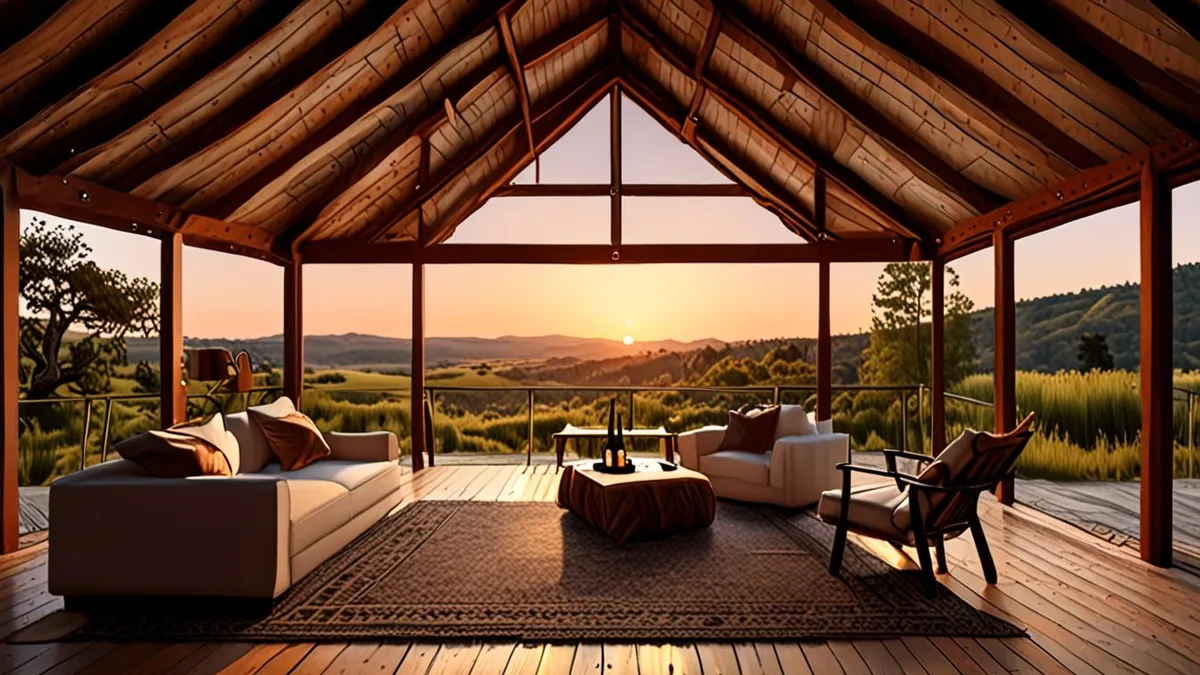
A glamping lodge sits at the other end of the spectrum. You’ll typically find real beds made up with linen, heating, and a kitchenette so you can cook without leaving your accommodation. Bathrooms are either en-suite or a short, private walk away, and most lodges come with a furnished deck or veranda where you can sit out with a morning coffee.
That difference in comfort explains most of the difference in price. A lodge isn’t just a fancier cabin — it’s closer to a small self-catering cottage, while a cabin is closer to a covered tent with walls. Neither is better; they simply serve different travelers.
Before you compare prices, decide what “roughing it” actually means to you. If a shared washroom and your own sleeping bag sound fine, a cabin will serve you well. If you want to arrive, unpack, and live normally for a few days, the lodge is worth the extra money.
How Much Each Option Costs Per Night
Price is where the two options really separate. A basic campsite cabin typically costs £50–£90 per night, while a glamping lodge typically runs £120–£250 per night. That’s a wide range on both sides, because size, location, views and season all push prices up or down.
For a family of four, the gap adds up fast. Choosing a cabin and bringing your own bedding can save you £70–£160 per night compared with a lodge — over a week, that’s the cost of several extra days away, or a decent chunk of your travel budget.
It also helps to think per person rather than per night. A lodge at the top of its range can look steep until you divide the cost between four travelers, especially if it replaces restaurant meals with food you cook yourself. A cabin, meanwhile, only represents good value if you’re genuinely happy to prepare your own meals and use shared facilities.
Where a property sits within its range matters too. A small cabin on a working farm sits at the lower end, while a large lodge with a furnished deck and prime views commands the top of its bracket. Neither is overpriced — you’re simply paying for different levels of space, privacy and finish.
A few things sit behind those headline figures:
- Bedding and linen: lodges include made-up beds as standard, while many cabins charge extra for linen or expect you to bring a sleeping bag — a hidden cost if you forget to budget for it.
- Kitchen facilities: a lodge kitchenette means you can self-cater without leaving your accommodation, while cabin guests often rely on shared cooking areas, which can mean queuing at busy mealtimes.
- Bathrooms: en-suite or private bathrooms come with lodge pricing; cabin guests share the site’s washroom block, which is part of what keeps nightly rates low.
- Accommodation type: if you’re weighing lodges against other unusual stays, it helps to see how yurts, domes and cabins compare as glamping accommodation types before you decide.
Whichever option you lean toward, check what’s actually included in the quoted rate before comparing prices between sites.
When to Travel: Seasons and Prices
Timing changes the price of both options more than most travelers expect. In the UK, peak season runs from June to August, and prices during those months typically run 30–50% higher than the rest of the year — for cabins and lodges alike. School holidays also mean busier sites, so you’ll be paying more to share a shower block with more people.
The shoulder-month sweet spot
May and September are the shoulder months, and they’re often the best value on the calendar. Prices are milder, sites are quieter, and the weather in both months is usually good enough for outdoor trips. If your dates are flexible, shifting a trip by a few weeks can cut your nightly rate noticeably. To plan around the seasons with confidence, it helps to read up on the best time of year for glamping in the UK before you lock in dates.
How far into the year each option stretches
The two options also suit different seasons. Lodges come with heating and proper insulation, so they extend comfortably into autumn and winter — a lodge in October can be genuinely cozy rather than a test of endurance. Basic cabins, especially those without heating or with minimal insulation, suit late spring through early autumn best. If you’re set on a cabin, aim for the warmer months; if you want a frosty-morning break with a real bed, the lodge is the safer pick.
How Far Ahead to Book
Timing matters more with a glamping lodge than with a basic cabin, simply because there are far fewer lodges to go around and demand for the best units is fierce. For a summer weekend stay, aim to reserve your lodge 3–6 months ahead. Popular sites in countryside and coastal areas can sell out their most sought-after lodges well before the school holidays begin, and by then you will often be left with midweek slots, less desirable pitches or nothing at all. If you have your heart set on a specific lodge with a view or a particular deck layout, booking early is really the only way to secure it.
Campsite cabins are a different story. Outside the peak season, they usually need only 4–8 weeks’ notice, and many sites keep a flexible booking policy for these simpler units. That makes cabins a good fit for spontaneous trips where you would rather decide a month out whether the forecast looks promising. It also means you can often haggle on arrival dates or extend a stay at short notice, something lodge operators with tight calendars rarely allow.
- Midweek stays loosen up the calendar: Friday and Saturday nights disappear first at every site, so a Monday-to-Wednesday lodge break can often be booked much later than a weekend one.
- Watch for school holiday spikes: half-term and Easter weeks behave like peak season even outside the summer, so treat those dates with the same early-booking caution.
- Ask about cancellation terms before you commit early: booking a lodge half a year ahead only pays off if you can move or refund the date if plans change.
- Set a reminder for reopening dates: some sites only release next year’s summer availability in the winter, and the most sought-after lodges can go within days.
- Book direct where you can: sites sometimes hold a few units back from booking platforms, so a quick call can reveal availability that looks sold out online.
Matching the Stay to Your Trip Style
The right choice depends less on the accommodation itself and more on what your days will actually look like. If you are planning long days on the trails or the bike, a basic campsite cabin is hard to beat. Hikers and cyclists tend to use their accommodation as little more than a place to sleep and dry their kit, so paying for linen service and a furnished deck makes little sense. A bunk, a table and a shared washblock down the path covers everything you need before an early start.
A glamping lodge, on the other hand, earns its keep when the accommodation is part of the experience. Celebration trips like anniversaries or milestone birthdays feel special in a lodge with a real bed, heating and a private bathroom. Rainy-weather holidays are another strong case: if the forecast is grim, you will be grateful for a kitchenette, space to spread out and a covered deck rather than a bunk and a walk to the washblock.
If you are trying glamping for the first time, be honest about how many hours you will spend indoors. A lodge booked for a trip where you are out from breakfast until dusk can feel like expensive storage. If you are still weighing the two styles, it helps to read a fuller comparison of glamping versus camping before you commit.
Quick questions to ask yourself
Will you cook on site or eat out every evening? Do you mind carrying a sleeping bag? Would a rainy afternoon in a cabin feel cozy or claustrophobic? Your answers will usually make the decision for you.
How to Vet a Site Before You Book
The words “cabin” and “lodge” mean different things on different sites, so never book on the label alone. A listing called a lodge might turn out to be a static tent with a camp bed, while some “cabins” are surprisingly well equipped. Go straight to the photos and look for the details that matter: is there bedding on the beds, is there a heater or fire, and is the bathroom private or a shared block across the site?
Recent reviews are your second line of defense. Older reviews can describe facilities that have since been renovated or neglected, so filter for the past season if the platform allows it. Pay attention to comments about cleanliness, noise from neighboring pitches and whether guests felt the listing matched reality. A pattern of “not as described” complaints is a stronger signal than one glowing review from years ago.
Finally, confirm exactly what is included before you pay. Linen, towels, kitchen equipment and even parking can differ between sites at similar price points, and a cheap-looking rate can grow once you add bedding hire for four people.
- Check the bathroom situation specifically: “nearby private bathroom” can mean an en-suite or a dedicated unit a short walk away, which changes a winter stay considerably.
- Count the beds and their sizes: photos sometimes show a double plus bunks, but some sites charge per person beyond a base number, so confirm sleeping arrangements for your whole group.
- Ask about heating type and whether it is included: a wood burner you fuel yourself is a different proposition from electric heating on a thermostat, especially in the shoulder months.
- Compare arrival and departure times: sites with late check-in can complicate a first evening, particularly if you are arriving after dark in an unfamiliar area.
- Note whether bedding hire is optional or mandatory: some cabin sites let you bring your own sleeping bag to save money, while others charge for linen regardless.
Choosing With Confidence
If you’re torn between the two, start with your budget and your comfort line. A campsite cabin wins on price at £50–£90 per night, and it suits outdoorsy, self-sufficient travelers who spend their days hiking or cycling and don’t mind a sleeping bag and shared washrooms. A glamping lodge wins on comfort at £120–£250 per night, with linen, heating and private facilities, making it the better pick for celebration trips or rainy-weather holidays.
Timing matters too. Book earlier for lodges in peak season, and later for cabins in the shoulder months of May and September. Decide what “roughing it” means to you, match the stay to your trip style, and the choice becomes simple. If this helped you decide, leave a comment or share the article with a travel friend.