A floating cabin or overwater tent stay looks like pure serenity in the photos: glassy water, a sunrise over the deck, coffee in hand. But if you have never slept on water before, the reality comes with questions most listings never answer. Will the cabin rock all night? How do the toilets and showers work? What should you pack, and what will the whole thing actually cost?
This guide walks through the experience from arrival to checkout. We explain what these structures really are, how the motion, sound and humidity feel in practice, and what the solar power, composting toilets and patchy Wi-Fi mean for your stay. You will also find realistic price ranges, the best seasons and booking windows for Europe and tropical destinations, plus a practical packing list built around boat transfers and wet decks. By the end, you will know whether a night on the water suits you, and how to book it well.
What a Floating Cabin or Overwater Tent Stay Actually Is
A floating cabin is exactly what it sounds like: a solid structure, usually built from timber or mounted on a pontoon base, moored permanently on a lake, a slow river or sheltered coastal water. Most have full roofs, proper doors and windows, real beds and a small deck. From the inside, it often feels closer to a compact studio than a tent.
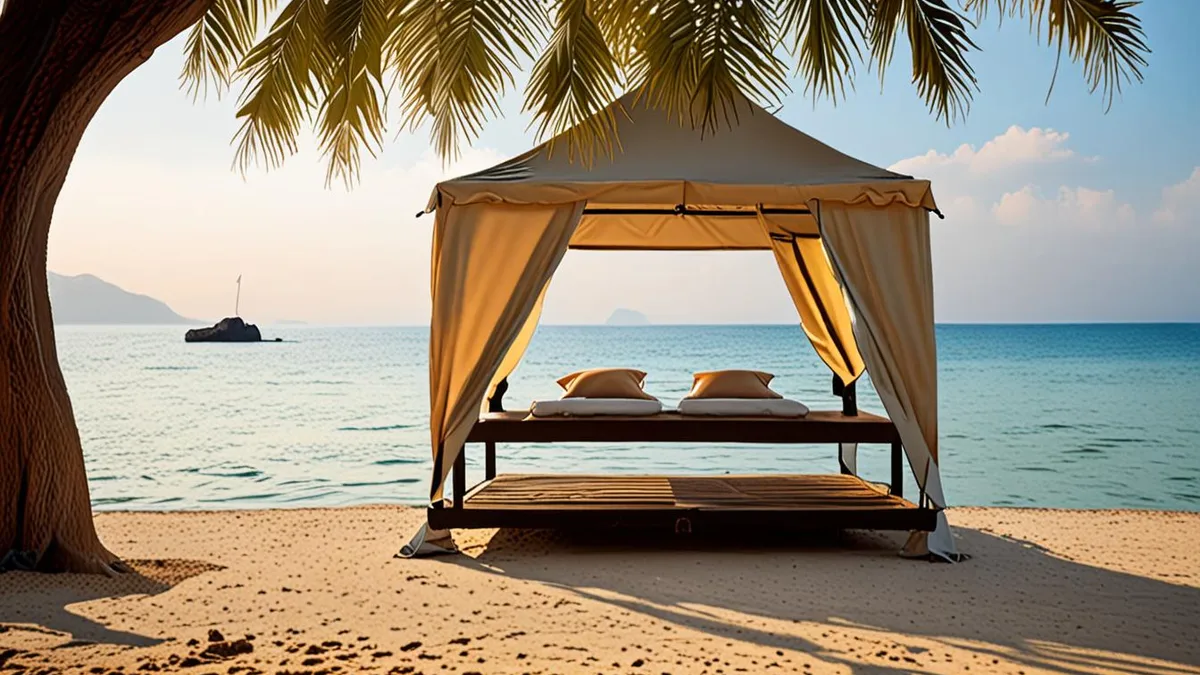
An overwater tent is a different animal. These are canvas structures raised on stilted platforms above lagoons or calm bays, and the feel is closer to a luxury safari tent than a hotel room. You get canvas walls, breeze through the mesh and the sound of water directly beneath the floorboards.
Designed around the water
Both types sit on or over water full-time, which shapes every system on board. Power usually comes from solar panels, water is tanked or filtered, and waste is handled with marine or composting toilets. Nothing is borrowed from a standard building, because nothing standard would work here.
Sizes vary from cozy two-person units to larger cabins sleeping up to four, but layouts are compact compared with a standard hotel room. Expect clever storage, a small bathroom and a deck that does much of the living. If you are used to sprawling hotel suites, adjust your expectations before you book, and check the exact sleeping configuration with the operator.
The Sensory Reality: Motion, Sound and Humidity
The first thing you notice is the motion. Floating cabins and overwater tents sway and rock gently, and the movement is strongest in wind or after a boat passes and its wake rolls beneath you. For most guests this is part of the charm, and the majority adjust within the first night. If you are prone to motion sickness, it is worth knowing this before you commit rather than discovering it at midnight.
The soundtrack of sleeping on water
Water laps and slaps against the hull or platform all night long. Many sleepers find it deeply soothing, closer to white noise than a disturbance. Light sleepers, however, can find the irregular rhythm keeps them awake, especially in the first hours when everything is new. Bring earplugs regardless of how well you usually sleep, because you cannot ask the lake to quieten down.
Humidity and morning light
Humidity is noticeably higher than on land. Bedding can feel slightly damp in the morning, and condensation forms on windows overnight, particularly in cooler months. It is harmless, but it surprises first-timers, so leave delicate items like books or camera bags off windowsills.
Morning light on water is intense, because the surface reflects it straight back at you from every angle. Good blackout curtains matter more here than in a land-based cabin, and an eye mask is a cheap insurance policy if curtains are thin or absent. Sunrise over the water is spectacular, but you want to choose when you see it.
Comforts, Facilities and Off-Grid Quirks
Life on the water runs on modest, well-chosen systems. Most units rely on solar power, so you get USB charging points and efficient LED lighting as standard. What you may not get is the freedom to run high-draw appliances: hairdryers and kettles are often limited or actively discouraged, because a single burst can drain the batteries that keep your lights and fridge going overnight. Ask the operator before you pack if this matters to you.
Water and waste are the other big differences from a hotel room. Toilets are typically composting or marine types, and showers may be restricted to short bursts because fresh water is tanked and limited. Neither is unpleasant, but both reward a lighter touch than you would use at home.
Cooking facilities vary widely between the two styles. Some floating cabins include a two-ring hob and a cool box for simple self-catering, while overwater tents usually rely on a shared shore kitchen or delivered meals. If you are comparing options, the setup shares some DNA with a luxury safari tent camp, where the tent is the bedroom and much of the infrastructure sits elsewhere on site.
Connectivity deserves a mention too: Wi-Fi is frequently weak or absent, so download maps, playlists and entertainment before your boat transfer. A few other practicalities worth checking with your operator:
- Ask whether drinking water is provided on board or whether you need to carry bottles across, as tanked supplies are often reserved for showers and washing up.
- Confirm how rubbish and recycling are handled, since many sites ask guests to pack waste out rather than store it on the water.
- Check whether bedding and towels are included or hired, as some smaller floating cabin operators treat these as optional extras.
- Find out the backup plan for power after several overcast days, since some sites have a generator schedule rather than round-the-clock supply.
How Much a Floating Cabin or Overwater Tent Stay Costs
Water glamping sits at the premium end of the market, and it helps to know what your money buys before you commit. European floating cabins typically run £150-£400 per night, depending on the season, the level of facilities and how remote the site is. A simple two-person cabin on a quiet lake will sit at the lower end, while a larger unit with a private deck and en-suite facilities pushes toward the top.
Tropical overwater tents cost roughly £250-£800+ per night. At the top end you are generally looking at all-inclusive rates that cover meals, transfers and activities, which is why the headline price can look steep until you break down what is bundled in.
Ways to keep the cost down
Timing makes a real difference. Midweek and shoulder-season dates can cut prices by 20-30% versus peak summer weekends, so shifting your stay from a Saturday to a Tuesday is often the single easiest saving. If your dates are flexible, ask operators which weeks offer the same experience for less.
Before booking, check exactly what is included. Boat transfers, meals and water sports equipment are frequently charged separately, and these extras can add £30-£100 per day to your total. A rate that looks more expensive upfront may actually work out cheaper once everything is included, so compare like for like.
When to Book and the Best Seasons for Water Glamping
Water-based stays are seasonal by nature, and the windows are narrower than most travelers expect. UK and European floating cabin sites operate mainly May-September, when water levels, temperatures and daylight all cooperate. Within that window, June and September offer the best balance of weather and price: the water is usable, the crowds are thinner and rates sit below the July and August peak.
Tropical overwater destinations peak December-April, when rainfall is lowest and the sea is at its calmest. For those months, book 6-12 months ahead. The best-positioned units over the calmest water go first, and waiting usually means compromising on location or paying a premium.
Booking timelines and local conditions
Reserve European summer stays 3-6 months in advance. Water-based units are few in number compared with land-based pitches, and they sell out faster as a result. If you want more detail on how seasons affect pricing across the UK, this guide to the best time of year for glamping in the UK breaks down the seasonal patterns.
Finally, ask operators about water level and wind conditions before you confirm. Rivers and lakes behave very differently in spring versus late summer: high water after snowmelt or heavy rain can restrict access or swimming, while low late-summer levels may leave some units farther from the bank than the photos suggest. A quick question at booking stage avoids surprises on arrival.
Packing and Practical Tips for Sleeping on Water
Packing for a night on the water is slightly different from a standard glamping trip, and the biggest mistake is bringing the wrong luggage. Bring soft-sided bags only: hard cases are genuinely difficult to carry along narrow walkways and to load into small transfer boats. A duffel or soft holdall that you can sling over a shoulder will make your arrival far easier, especially if staff are carrying other guests’ gear at the same time.
Access is the other thing to confirm before you travel. Most sites involve a 5-20 minute boat transfer or a walkway from shore, and schedules can depend on daylight and conditions. Aim to arrive in daylight if you can, so you can see the walkway, settle in and find the facilities before dark. If you are still choosing between sites, this practical first-timer’s guide to choosing a glamping site covers the questions worth asking before you book.
Small items that make a big difference
- Earplugs and an eye mask: water laps against the hull all night and morning light off the surface is intense, so both earn their place even if you normally sleep fine.
- Non-slip sandals: decks stay wet from spray and early-morning condensation, and smooth timber or composite boards get slippery fast.
- Reef-safe sunscreen and biodegradable toiletries: gray water on many floating units drains directly into the surrounding water, so what you wash off ends up in the lake or lagoon.
- A dry bag for phones and cameras: walkways sit close to the water and a dropped device rarely gets a second chance.
Is a Night on the Water Worth It?
So, is a night on the water worth it? For most first-timers, yes. The combination of gentle motion, water lapping beneath you and sunrise over the surface is something no land-based cabin can replicate. Yes, there are trade-offs: higher humidity, simpler plumbing, compact space and rates that typically run from £150 to £800+ per night depending on destination.
The reality matches the photos once you know what to expect. Book 3-6 months ahead for European stays, or 6-12 months for tropical high season, and you will secure the best units at fair prices. Pack soft luggage, bring earplugs and keep your expectations realistic about motion and moisture. Do that, and most guests describe the experience as unforgettable. Have you slept on the water yet? Tell us about it in the comments, or share this article with someone who needs a nudge.