Glamping trips trip up newcomers in two opposite ways: some fill the car with gear they never touch, while others arrive to find no towels, no light and nothing to cook with. The problem is that glamping sits in a gray zone between hotel and camping, so it is genuinely unclear what the site supplies and what you must bring. Get this wrong and you either pay for space you don’t use or shiver through the night.
This guide walks through glamping trip packing step by step. We start with what your site actually provides, so you don’t duplicate bedding or forget towels. Then we cover clothing for cold nights and muddy ground, sleep comfort extras, kitchen kit matched to your accommodation, and the lighting, power and practical gear most people forget. A section on how packing changes between April and October helps you tailor the list to your dates, and a final checklist pulls everything together at a glance.
What Your Glamping Site Actually Provides (Check Before You Pack)
The single biggest packing mistake is assuming your glamping site works like a hotel. It usually doesn’t, and the fix takes five minutes: find the site’s packing list page and read it properly before you pack anything. Most sites provide bedding and duvets, but roughly half do not provide towels, which catches out a lot of first-timers who assume linen service comes as standard. A quick email or phone call to the site owner also helps, especially if you’re booking a smaller operation where the website details may be out of date or incomplete.
The type of unit matters just as much as the site. A safari tent with a full kitchen and heating needs far less kit than a basic yurt with no electricity, so confirm exactly what your specific accommodation includes rather than what the site advertises in general. Cooking arrangements and site rules vary widely too, and packing the wrong fuel or stove can leave you with a cold dinner or an awkward conversation at check-in. It’s also worth asking about arrival procedures: some sites give you a key code and leave you to it, while others offer a walkthrough of the unit, which is a good moment to double-check what’s supplied.
- Electricity and heating: ask whether your unit has sockets, lighting and a heater or wood burner. A yurt lit by candles and warmed by one stove needs headlamps and warm sleepwear that a heated cabin never will.
- Fuel and fire: check whether firewood, charcoal or a BBQ is supplied. Some sites include a starter bundle and sell more on site; others expect you to bring everything, so factor that into boot space.
- Banned items: many sites prohibit open flames inside tents and portable gas stoves in certain units. Note these rules before packing cooking gear, or you may haul equipment you’re not allowed to use.
- Water and waste: ask whether there’s drinkable tap water on site and how waste is handled. Composting toilets and shared wash blocks are common, and knowing the setup in advance makes it much easier to pack sensibly.
Clothing for a Glamping Trip: Dress for Cold Nights and Muddy Ground
The most common packing error for a glamping trip is dressing for the daytime forecast instead of the night. Even in July and August, UK nights can drop below 10°C at many sites, and canvas walls hold very little warmth compared to a solid-walled room. The solution is layers: t-shirts for the afternoon, a fleece or insulated jacket for the evening, and something warm to pull on the moment the sun goes down. Think in terms of thin layers you can add or shed rather than one bulky jumper, because temperatures can swing noticeably between lunchtime and bedtime.
Plan for 2-3 outfit changes per 3-night stay, because laundry facilities are rarely available on site and hand-washing in a shared washroom is nobody’s idea of a holiday. Quick-drying fabrics earn their space here: they cope with morning dew, drizzle and the odd spilled drink far better than heavy cotton. Footwear deserves equal thought, since paths between units turn to mud after rain and you’ll walk them in the dark at least once. Pack shoes that can handle wet grass, and keep a dry pair for evenings inside the unit.
- Rain gear by month: a waterproof jacket and trousers are essential for April, May and October stays, when showers are frequent. Summer trips can usually get by with a packable jacket, but check the best time of year for glamping in the UK before deciding how much wet-weather kit to bring.
- Evening footwear: pack a second pair, such as slip-ons or warm trainers, so your boots can dry by the door while your feet stay comfortable inside the unit.
- After-dark warmth: wool socks and a beanie matter more than a thick coat for sitting outside after sunset, when most of your body heat escapes from your head and extremities.
Bedding, Towels and Sleep Comfort Extras
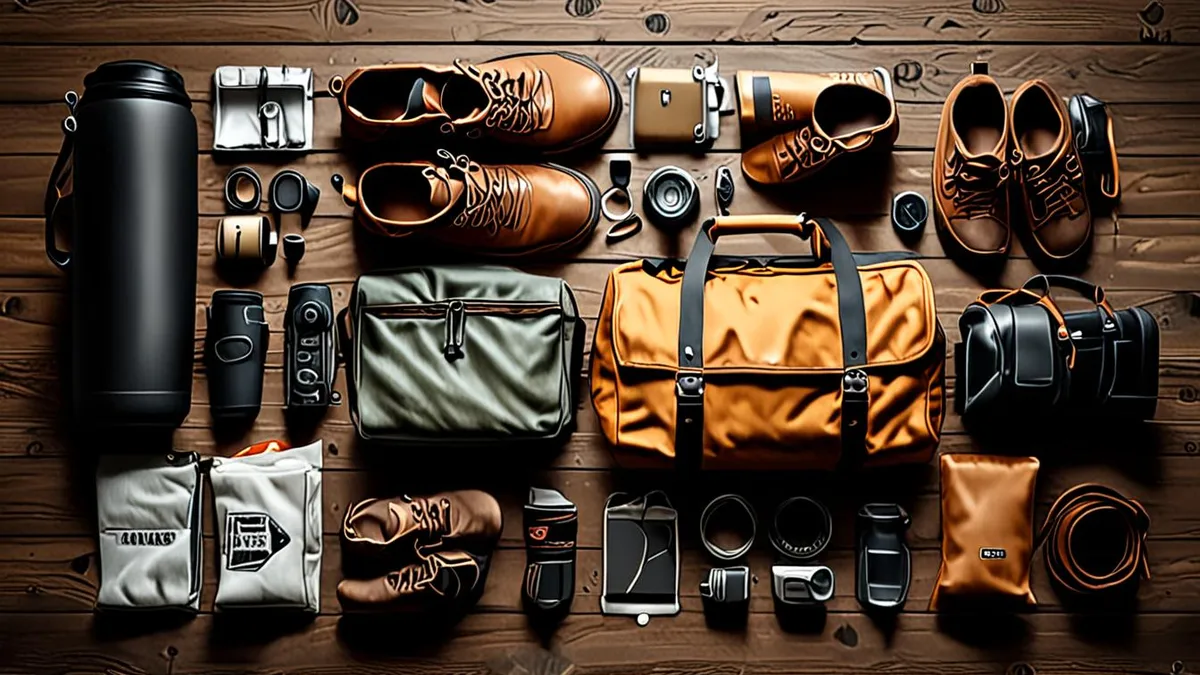
Sleep comfort is where glamping trips quietly go wrong. You’ll be tired from fresh air and activity, but canvas or thin walls let in cold, noise and light in ways a hotel room never does. A few small items in your bag make the difference between a restless first night and a proper night’s sleep, so it pays to think about your sleeping setup before you leave home rather than discovering the gaps at 11pm in a dark field.
Towels come first. Roughly half of glamping sites omit them, so bring your own unless the site confirms they are provided — and get that confirmation in writing on the booking page, not from a review. If you’re still choosing between accommodation types, it helps to know that a yurt, dome or cabin each insulate differently, which changes how much sleep kit you need. A solid-walled cabin holds warmth far better than a single layer of canvas, so match your packing to your unit.
- Shoulder-season warmth: a hot water bottle or thermal sleep layer is worth packing for trips when nights fall below 10°C. Fill the bottle at the site’s kitchen or kettle and slip it into the bed ten minutes before you get in.
- Noise and light: earplugs and an eye mask sound like overkill until you hear neighboring campers at midnight and dawn light flooding through canvas at 5am. They weigh almost nothing and earn their space every trip.
- Extra blanket: even when bedding is supplied, duvets can be thin. A small extra blanket takes up modest bag space and doubles as a wrap for sitting outside in the evening.
- Your own pillow: site pillows are often flat and synthetic. A compression-sacked pillow from home is a small luxury that makes unfamiliar beds feel instantly more comfortable.
Kitchen and Food Packing: Match Your Kit to Your Accommodation
The single biggest packing mistake is bringing a full camp kitchen to a unit that already has one, or arriving with nothing when it doesn’t. Before you pack a single pan, check whether your accommodation has a full kitchen, a basic two-ring hob, or no cooking facilities at all. A safari tent with a proper kitchen means you only need food, spices, oil and coffee. A basic yurt with no cooking setup means planning cool-box meals instead.
If there’s no fridge in your unit, a cool box with ice packs is essential. Plan your meals so perishables like meat, milk and cheese get eaten within 2-3 days, and build your menu around items that keep well without chilling. Bring a kettle or portable stove only if the site explicitly allows them and doesn’t supply one, since some sites ban open flames and portable stoves inside or near tents.
The items that catch people out most often are the small kitchen consumables, so run through this list before you zip up the bag:
- Washing-up liquid, a sponge and tea towels — the most commonly forgotten kitchen items, and there’s usually no shop on site to buy them
- A refillable water bottle — check whether the site has drinkable tap water at your unit or a shared standpipe, or whether you need to bring your own supply
- Basic condiments and cooking oil in small containers — decant into travel-size bottles rather than hauling full-size ones
- Long-handled matches or a lighter — for communal fire pits or BBQs where the ignition isn’t included
- A sharp knife and a chopping board — often missing even from units with otherwise well-equipped kitchens
Lighting, Power and Practical Gear Most People Forget
Even the best-organized glampers forget the practical items, usually because the accommodation looks so comfortable in the photos. The reality is that paths between units are unlit after dark, even at sites with electricity in the units themselves, so a headlamp or torch per person is non-negotiable. Hands-free is better than a phone torch when you’re carrying things or finding your way to the toilets at midnight. Pack spare batteries or a charging cable too, and clip a small light near the door of your unit so it’s easy to grab for late-night trips.
Power is the second surprise. Sockets in glamping units are often limited to one or two, which disappears fast if everyone charges a phone overnight. A power bank keeps everyone topped up without fighting over the single outlet, and it earns its space on day trips when there’s no outlet at all. Health and comfort items matter too: pack a small first-aid kit with plasters and antiseptic wipes, insect repellent and sunscreen, especially for May to September stays when insects and sun are at their strongest. Add lip balm and hand cream, since cool outdoor air dries skin out faster than most people expect.
Finally, think about how you carry everything and deal with the mess afterward:
- A soft 40-60 liter duffel bag — tents and yurts have narrow entrances and uneven ground, so a hard suitcase is genuinely awkward to wrestle through the door
- Bin bags — ideal for muddy boots, wet waterproofs and wrapping rubbish for the site’s waste point
- A spare tote bag — for separating dirty clothes from clean ones on the journey home
- Zip-lock bags — handy for wet swimwear, protecting devices from damp, and portioning snacks for days out
Packing for the Season: What Changes Between April and October
Your packing list should change noticeably depending on when you travel. The UK glamping season runs roughly April to October, but the difference between a trip in May and one in early April can feel like two different holidays.
Summer stays: May to September
For May to September trips, prioritize sun protection, insect repellent and lighter layers. These are the most reliable weather months, so you can leave the heaviest thermal kit at home and focus on comfortable daytime clothing, a sun hat and plenty of sunscreen. Even so, a fleece for evenings still earns its place in the bag: temperatures after sunset at many UK sites can feel surprisingly close to what you’d expect in shoulder season, so don’t skip the warm layer just because the forecast looks sunny.
Shoulder season: April, early May and October
For April, early May and October, add thermal base layers, waterproofs and extra blankets, because genuinely cold nights are the norm rather than the exception. Shoulder-season stays often cost less and typically need booking only 1-2 months ahead, which makes them a great option if you decide to travel late — but they demand the warmest kit you own.
Peak July-August trips are the opposite problem: you’ll need to book 3-6 months ahead to secure a good site. That lead time is actually an advantage for packing. Start your list early, spread purchases over a few weeks, and avoid the classic mistake of throwing everything together the night before you leave.
Your Glamping Trip Packing Checklist at a Glance
Glamping trips tend to fail in one of two directions: either the car is crammed with gear that never leaves the boot, or you show up expecting hotel comforts and discover the reality sits much closer to camping. Both mistakes come from the same source. Glamping occupies a gray zone between a hotel and a tent, and until you check, you cannot know which end of that spectrum your site occupies.
The fix is straightforward. Contact the site or read its packing list before you pack a single bag, so you know exactly what is provided and what is not. Then build your kit around the gaps: warm layers for evenings outside, your own towels if they are not supplied, a reliable light source for walking between units after dark, and cooking equipment matched to whatever your unit actually contains. Add rain gear and season-appropriate extras, and you have covered the bases.
If you take away just one habit, make it this: verify first, pack second. Found this checklist useful, or learned a lesson the hard way on your own trip? Leave a comment or share this article with a friend planning their first night under canvas.