Many travelers book a room assuming a hotel breakfast means the same eggs-and-toast spread everywhere, only to find grilled fish and miso soup in Tokyo or a table of mezze in Amman. What arrives on your plate in the morning is shaped deeply by local food culture, and the difference between countries can be striking. Knowing what to expect helps you plan your mornings, decide whether the breakfast is worth paying for, and avoid missing the service window entirely.
This guide walks through what a hotel breakfast typically looks like across Europe, Asia, the United States and the Middle East, from continental pastries to congee stations. It also covers what these spreads usually cost and when they are included in your rate, how to read reviews to judge breakfast quality before booking, and how to choose a hotel based on the kind of morning meal you actually want. Check current details with your hotel, since offerings and hours can change.
What a Hotel Breakfast Usually Includes in Europe
Order a hotel breakfast in much of Europe and you will rarely get the pancakes-and-syrup setup familiar to American travelers. Instead, the continent runs on the continental style: a spread of croissants, bread rolls, cold cuts, cheese, jam, and coffee or tea. This is the standard in countries like France, Spain and Italy, where mornings lean light and quick. You grab a pastry, maybe a slice of ham or cheese, and you are on your way.
The full English and central European buffets
Cross the channel to the UK or Ireland and the tone changes completely. The full English breakfast is the local standard: eggs, bacon, sausage, baked beans, grilled tomato and toast. It is hearty enough to carry you through most of the day, and many hotels serve it until around 10:30 am.
Germany and Austria sit somewhere in between, with generous buffet spreads that typically add boiled eggs, muesli, yogurt and fresh rolls to the usual bread-and-cheese lineup. These are often the most substantial breakfasts in Europe and a good reason to choose a German or Austrian property if you eat a big morning meal.
One practical warning: service windows typically run from about 6:30 to 10:30 am, and smaller hotels can be strict about closing time. If you like sleeping in, ask at reception the night before, or you may find the spread packed away before you make it downstairs.
Hotel Breakfast Traditions Across Asia
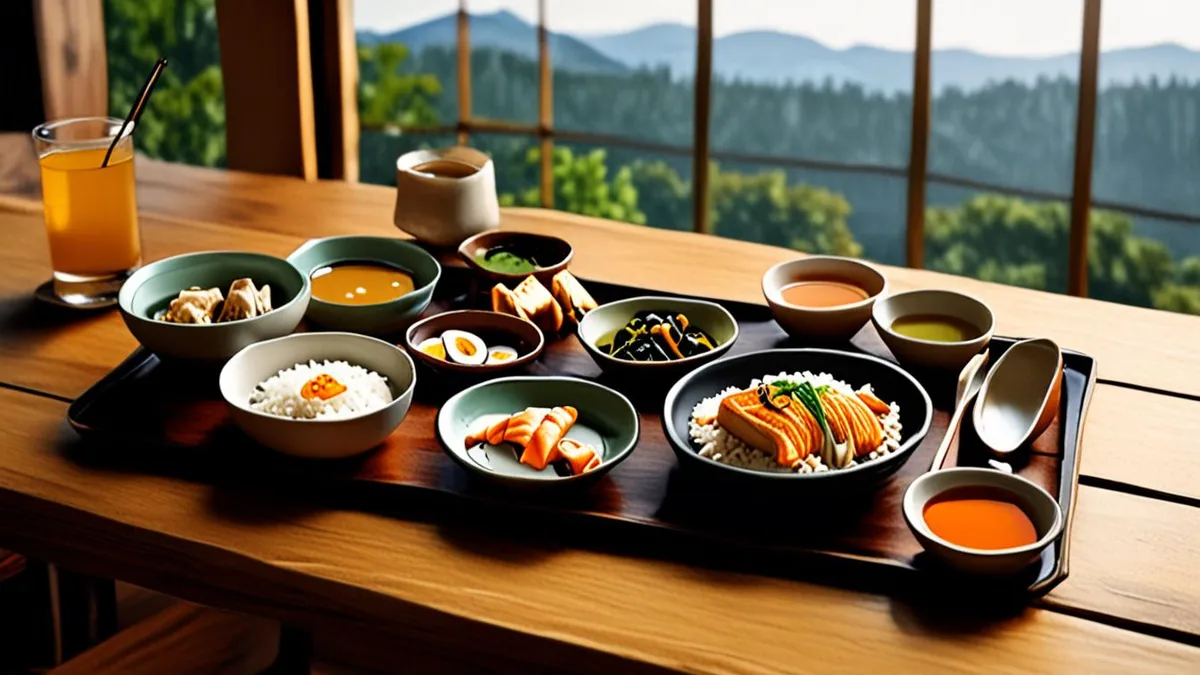
Hotel breakfasts in Asia often surprise Western travelers, in a good way. Rather than toast and cereal, many properties serve dishes locals actually eat in the morning, and the quality is frequently a highlight of the stay. In Japan, most hotels offer a set tray rather than a free-for-all buffet: rice, miso soup, grilled fish, pickles and nori arrive together on a lacquered tray. Service usually runs from around 7:00 to 9:30 am, so set an alarm, because arriving at 9:45 often means no breakfast at all.
In China, Hong Kong and much of Southeast Asia, hot food takes center stage. Congee, dim sum and noodle stations dominate the buffets, often with cooks preparing dishes fresh to order. Korean hotels take a different approach, typically serving soup, rice, kimchi and several small side dishes, so your morning table fills up quickly with little bowls of different flavors.
Worried about missing familiar food? Almost every major Asian hotel buffet includes a Western corner. Beyond the standard eggs and pastries, here is what that corner often adds:
- Made-to-order egg stations, where a cook prepares omelets or fried eggs while you wait, sometimes with local fillings like chili or herbs mixed in
- Toast and cereal stations with jams, butter and cold milk, which can be a lifesaver for children adjusting to the local cuisine
- Fresh tropical fruit, often including papaya, pineapple or mango cut on the spot, which usually beats the fruit at European buffets
- Western tea and coffee alongside the local options, so you can skip strong Asian-style coffee if it is too intense for your morning
The mix of local and Western dishes means even picky eaters rarely leave an Asian hotel buffet hungry. Try the local side first; congee with condiments is easier to love than many travelers expect.
American and Middle Eastern Hotel Breakfast Styles
Hotel breakfast in the United States covers a huge range, and the star level of your hotel tells you a lot about what to expect. At mid-range properties, breakfast often means a grab-and-go continental buffet: bagels, muffins, cereal, fruit and a self-serve coffee machine. Move up to resorts and upscale hotels and the experience changes entirely, with made-to-order omelet stations, waiter service and menus that change daily.
Hours worth knowing
Timing matters in the US, where early schedules are the norm. Typical American service runs from 6:00 to 10:00 am, with coffee usually available earlier in the lobby for guests heading out. If you are traveling for business, this early window works in your favor; if you are on vacation, note that sleeping until 10:30 may cost you breakfast entirely.
The Middle East offers one of the most generous morning spreads anywhere. Hotel buffets typically feature mezze, labneh, flatbread, olives, cheeses, dates, and strong tea or coffee. These spreads often start from about 7:00 am and are built for lingering rather than rushing, with dozens of small dishes to combine.
In the Gulf countries, breakfast often stretches later into the morning, reflecting local dinner habits that run well into the evening. Do not be surprised to find a busy buffet at 10:30 or later. If you have an early tour booked, ask about a packed breakfast the night before; many properties in the region will prepare one for you.
How Much a Hotel Breakfast Costs and When It Is Included
Whether breakfast is part of the deal or an add-on depends heavily on the type of property you book. Many resorts and upscale hotels fold breakfast into the room rate, and this is especially common outside North America. In much of Europe, Asia and the Middle East, a morning spread is treated as a standard part of the stay rather than an upsell.
City hotels, on the other hand, frequently charge separately. When breakfast is not included, buffet prices commonly run $15-40 per person, and that adds up fast for a couple staying several nights. Some travelers happily pay for a generous buffet; others would rather spend that money at a nearby café.
There is also a booking trick worth knowing. Rates booked directly with the hotel, or booked while holding loyalty status with a chain, often include free breakfast that third-party bookings exclude. Two identical rooms can therefore come with very different morning perks depending on where and how you booked.
Before comparing prices, read the rate description carefully. The wording tells you what you are actually getting:
- “Breakfast included” means the morning meal is part of the room rate, usually a buffet, though the style and size of the spread can still vary widely between properties.
- “Bed and breakfast” typically signals a set or semi-set meal rather than a large buffet, sometimes served to your table, so check what the kitchen actually offers.
- Rate plans without any breakfast wording almost always mean you pay on arrival, so budget for that $15-40 per person range if you plan to eat at the hotel.
- Children’s policies matter too: some properties include breakfast free for young kids sharing a room, while others charge a reduced rate, so ask before assuming the whole family eats for free.
How to Read Reviews to Judge a Hotel Breakfast
Guest reviews are one of the best tools for judging a hotel breakfast before you commit. Instead of skimming overall scores, search the review text for specific words like “buffet”, “included” and “cold eggs”. A string of mentions of lukewarm scrambled eggs or empty chafing dishes tells you far more than a generic “breakfast was fine”.
Photos posted by guests are just as revealing. Marketing shots show the hotel at its best, but traveler photos show what the buffet actually looked like on an ordinary Tuesday. If a five-star property’s guest pictures show a thin spread of packaged pastries, the reality probably does not match the star level.
Red flags to watch for
Complaints about limited service hours come up constantly, and they matter most if you like to sleep in or have an early tour. Repeated menus are another common red flag for longer stays: eating the same eggs and fruit five mornings in a row wears thin quickly. If several reviewers mention identical dishes day after day, plan a shorter breakfast run or eat out some mornings.
Signs of a strong kitchen
Reviews that mention fresh local dishes usually signal a stronger kitchen than those praising only toast and cereal. Mentions of freshly made local specialties, seasonal fruit or cooked-to-order stations suggest the hotel takes breakfast seriously. For a fuller method on filtering useful feedback from noise, this guide on how to read hotel reviews and spot red flags before booking walks through the process step by step.
Choosing a Hotel Based on the Breakfast You Want
If breakfast is a highlight of your travel mornings, the type of property you choose matters more than the destination’s food scene alone. Resorts and boutique stays tend to treat breakfast as an experience: think made-to-order stations, local specialties and a setting worth lingering over. A hotel, resort or boutique stay each handles the morning meal differently, so it pays to match the property style to your priorities.
Business and budget travelers can often skip the paid breakfast entirely. City hotels frequently charge a per-person fee for a buffet that a bakery or street vendor can undercut easily, and eating locally gives you a taste of the destination anyway. Check whether your rate already includes breakfast before paying for it a second time outside the hotel.
Match the destination to the cuisine
Breakfast is also part of the destination’s character. A Swiss alpine hotel might set out breads, cheeses and cured meats suited to cold mornings, while a Portuguese seaside resort leans on fresh fruit, pastries and lighter fare. Choosing a stay whose breakfast reflects the local cuisine turns the first meal of the day into part of the trip itself.
Families have the clearest case for included buffets. Feeding parents and kids separately at cafés each morning adds up quickly over a week, while an included buffet lets everyone eat their fill for nothing extra. If you travel with children, prioritize rates where breakfast is already in the price.
Wrapping Up Your Hotel Breakfast Expectations
Hotel breakfasts vary widely by region, and that is exactly why travelers get surprised. A traveler expecting familiar morning fare might instead find a tray of rice, miso soup and grilled fish in Japan, or a table of pastries and cold cuts in Europe. In many Asian countries, congee and noodle stations take the place of Western cereal and toast, so it pays to know what your mornings might look like before you arrive.
Costs and inclusions differ just as much. Breakfast is included in the room rate at many resorts, while city hotels often charge $15-40 per person, so check the rate details and guest reviews before you book. Knowing local breakfast customs helps you pick the stay that fits your mornings, whether you want a quick coffee or a long, generous spread. If this helped you plan your next trip, leave a comment or share the article with a fellow traveler.