Two resorts can both advertise themselves as all-inclusive, yet one might pour top-shelf cocktails and serve six themed restaurants while the other limits you to house-label spirits and a single buffet. That gap is why it pays to compare all-inclusive resorts carefully before you book. The headline rate rarely tells the whole story, and the details buried in the fine print often decide whether a deal is genuinely good value.
This guide walks you through the comparison step by step. We start with what the all-inclusive label actually covers, then look at standard versus premium drink packages, how dining and reservations work, and the extras that quietly change the real price. From there, we help you match a resort to your travel style and share a timing strategy for getting the best rate. By the end, you will know exactly which questions to ask before you put down a deposit.
What the All-Inclusive Label Actually Covers
The words “all-inclusive” sound simple, but the coverage behind them varies more than most travelers expect. Some rates include three meals a day plus snacks, while others only cover breakfast and dinner and leave you paying for lunch at the pool bar. Before you compare prices between two resorts, make sure you are comparing the same package, because a cheaper rate with fewer meals included can quickly become the more expensive trip. Read the fine print on the resort’s own website first, then confirm the details by email or phone before you pay the deposit.
Drinks and minibar access are another common gray area. A resort may include cocktails at the main lobby bar but charge for drinks at the swim-up bar or beach club. Minibars follow the same pattern: some are stocked daily and free, others carry price tags on everything except bottled water. Ask specifically about the venues where you plan to spend the most time, since that is where surprise charges tend to show up. The list below covers the details worth checking before you book.
- Meal coverage: Confirm whether lunch is included, since some resorts only cover breakfast and dinner in the base rate and treat lunch as a paid add-on.
- Bar access: Ask which bars and lounges serve included drinks, and which ones count as premium venues with separate pricing.
- Minibar policy: Find out whether minibar items are complimentary, restocked daily, or billed as upgrades.
- Spirit and wine exclusions: Look for fine print that excludes premium spirits, imported wine and fresh-pressed juices from the base package.
- Snacks and room service: Verify whether late-night snack bars and in-room dining are part of the base rate or cost extra.
Comparing Drinks: Standard vs Premium Packages
Drinks are where all-inclusive packages differ the most, and where a seemingly cheap rate can lose its appeal fast. The first question to ask any resort is which liquor brands are included in the base package. Entry-level tiers often stock only house-label spirits, so your margarita is made with the resort’s own generic tequila rather than a recognizable brand. If brand names matter to you, get the list in writing before booking.
It also helps to check whether top-shelf cocktails, wine by the glass and espresso drinks sit inside the base package or behind a paywall. Some resorts include everything from craft cocktails to specialty coffee, while others run a two- or three-tier wristband system where your wristband color determines what you can order. If you would want the premium drinks upgrade, budget roughly $30-$80 per person per day on top of the base rate, which can reshape your total cost significantly.
When the upgrade is worth it
If you drink two or three cocktails a day and care about what goes in them, the premium tier often pays for itself. If you mostly sip beer by the pool, the standard package is usually fine. It also depends on the trip style: if you are weighing whether an all-inclusive even makes sense for you, our guide to all-inclusive versus a la carte resorts in Mexico breaks down when the bundled model actually costs less.
Dining: Buffets, Specialty Restaurants and Reservations
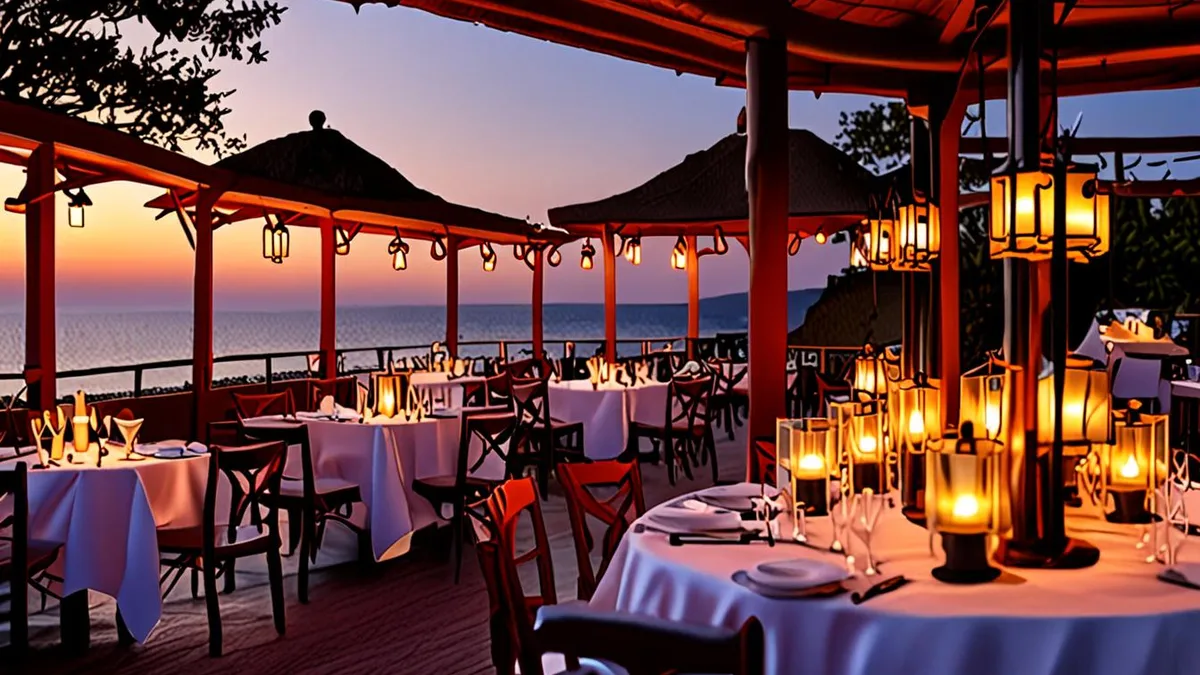
Dining is the part of an all-inclusive stay you will experience three times a day, so it deserves more scrutiny than any photo gallery or lobby tour. Start by counting how many specialty restaurants a resort actually has, and then ask the more important question: how many reservations you are allowed. Most properties typically allow 1-3 reservations per week-long stay, which means the buffet quietly carries most of your meals no matter how many themed venues appear on the website.
That makes buffet quality the real test of an all-inclusive kitchen. Compare variety at breakfast and dinner, since those are the meals most guests eat most often. A buffet that rotates themes nightly and has live cooking stations, omelet bars or carving stations will feel very different after day three than one serving the same chafing dishes on repeat. If possible, read recent guest reviews that mention food specifically, and pay attention to comments about repetition and freshness rather than general praise.
- Reservation rules: Ask how far in advance you can book specialty restaurants and whether slots fill up on the first morning of your stay, which is common at larger resorts. Some properties let you reserve before arrival, which is a real advantage.
- Room service terms: Check whether room service is free, limited to certain hours, or costs around $10-$25 per order depending on the resort tier. Late-night menus sometimes differ from daytime ones.
- Cuisine variety: A week of buffets plus one steakhouse feels very different from six themed venues like Japanese, Italian and seafood, so match the lineup to how much your group enjoys eating out.
- Dress codes: Some specialty restaurants require long pants or closed shoes for men, which affects how you pack for an otherwise casual beach trip.
Extras That Change the Real Price
A low nightly rate can be misleading once you know which extras are actually bundled in and which will land on your final bill. Most all-inclusive resorts cover the basics well, but the gaps vary more than travelers expect, so it pays to do a quick audit before you book.
Start with the good news: Wi-Fi, kids’ clubs and non-motorized watersports like kayaks, paddleboards and snorkel gear are included at most resorts, so you can usually count on them. Spa treatments, on the other hand, almost never are, and they tend to be priced like a full hotel service rather than an add-on. The same goes for anything with an engine or a dedicated staff member attached to it.
Tipping is another line item people forget. Policies vary widely: some resorts ban tipping entirely, while others suggest a total of $5-$15 per person per day. Ask before you go so you can budget cash or skip it altogether.
- Airport transfers: some rates include round-trip transport, while others charge separately, which can meaningfully change the total for a family of four.
- Premium cabanas and daybeds: poolside or beachfront cabanas often carry a daily rental fee, sometimes with food and drink minimums on top.
- Motorized watersports: jet skis, parasailing and banana boat rides are typically run by outside operators and billed per ride.
- Excursions: off-property tours like catamaran trips, zip-lining or ruins visits are almost always quoted and paid separately from your room rate.
- Kids’ extras beyond the club: some resorts charge for things like supervised evening sessions, character breakfasts or baby-sitting outside regular club hours, so check the fine print if you travel with children.
Matching the Resort to Your Travel Style
The best all-inclusive for your neighbor’s family may be a poor match for your honeymoon, and vice versa. Coverage matters, but so does the atmosphere the resort creates. Matching the two to your travel style is what turns a decent deal into a great trip.
For families and couples
Families should look closely at kids’ club hours and pool setups, not just the fact that a club exists. A resort with a splash zone, a shallow-entry pool and a club that runs into the evening is a very different experience from one where the club closes at mid-afternoon. Weigh those details against quieter adults-only alternatives, which often cost similar amounts but promise a calmer pool deck and a slower pace.
Couples, meanwhile, often value specialty dining and premium drinks over large buffet halls. If you plan to dress up for dinner most nights, prioritize resorts with more bookable venues and a strong included wine list over sheer buffet variety.
Destination and resort size
Destination shapes the experience too. Maldives resorts are built around overwater villas, lagoons and diving, and many operate on a more intimate, single-island scale. If that model appeals to you, it helps to understand how an overwater villa compares to a beach bungalow before you commit. Big Caribbean family complexes work differently: more restaurants, more pools, more scheduled activities, and far more people.
Size itself is a real factor. A 300-room property offers choice and energy but also crowds, lines and noise. A 60-room boutique resort feels personal and peaceful, though with fewer dining options. Neither is better; pick the one that matches how you like to spend a vacation day.
Timing and Price Comparison Strategy
All-inclusive pricing swings more than most travelers realize, and the same resort can vary by hundreds of dollars per night depending on when you book and when you go. Two travelers can stay at the identical property, in similar rooms, and still pay very different amounts simply because of timing and how carefully they compared quotes. A simple comparison routine keeps you from overpaying, and it takes less time than you might expect.
- Know the normal range. Rates in Mexico and the Caribbean typically run from around $150 to $600 per adult per night, so a quote far outside that band deserves a second look at what it includes.
- Book ahead. Reserving 3-6 months in advance often secures the lowest all-inclusive prices, especially for high-demand weeks.
- Build a true per-day total. Add any premium drinks upgrade, transfer cost and likely extras to the headline rate, then divide by nights. Two resorts with the same sticker price can differ sharply once this is done.
- Hunt shoulder-season dates. The same resort often drops its price noticeably in shoulder season while keeping full service, giving you the same restaurants and pools for less.
- Compare apples to apples. When two quotes differ, check whether both include the same drink tier, the same number of specialty dinner reservations and the same transfer arrangements before choosing.
It also pays to watch how resorts present their rates. Some quote per person, others per room, and a few add taxes and fees at checkout rather than upfront. Before you commit, ask what the final charge will look like on your statement, including any resort fees or local taxes not shown in the headline price. That one question can reveal a gap of ten percent or more between quotes that looked identical.
Timing matters just as much at other destinations, and the same shoulder-season logic applies elsewhere. If a trip to Southeast Asia is on your list, it’s useful to read up on the best seasons, prices and crowds for Bali resorts before locking in dates. A little calendar strategy usually saves more than any promo code, and it costs nothing but a few minutes of planning.
The Bottom Line on Comparing Resorts
Two resorts can both call themselves all-inclusive and still cover very different things. One might include top-shelf drinks, six themed restaurants and free room service, while another quietly charges for premium spirits, limits you to a couple of specialty dinners and adds fees for transfers and spa treatments. That is why comparing all-inclusive resorts really comes down to what the rate covers in drinks, dining and extras, not what the brochure promises.
The cheapest headline rate often loses once you add a premium drinks package and the paid extras you would actually use. Before booking, match the coverage and the atmosphere to your travel style, whether that means a big family complex or a quiet couples-focused property. If this guide helped you compare your options, leave a comment or share it with a travel friend.