You’ve booked a glamping trip, checked the forecast, and there it is: rain, rain, and more rain. Now you’re torn between cancelling and hoping for the best, wondering whether you’ll spend three days huddled in a damp tent regretting everything.
Here’s the good news: rainy day glamping can genuinely be a highlight rather than a washout. The trick is preparation, and this article walks you through all of it. We’ll cover why wet weather can actually work in your favour, how to choose a stay that handles rain properly, and how to book and time your trip around the forecast. You’ll also find a practical packing list for wet conditions, ideas for indoor activities when you’re stuck inside, and tips for making the most of the rain itself. By the end, you’ll have a rain-ready plan that turns a gray forecast into a cozy, memorable break.
Why Rainy Day Glamping Can Be a Highlight, Not a Washout
Rain has a funny way of sorting the committed from the curious. When the forecast turns gray, campsites quieten down, popular spots empty out, and you suddenly have the landscape to yourself. Even better, sites often drop their prices in wetter weeks: shoulder-season and rain-soaked stays frequently cost 20-40% less than peak summer rates. That’s a serious saving for the same bed, the same views, and far fewer neighbors.
Comfort has come a long way
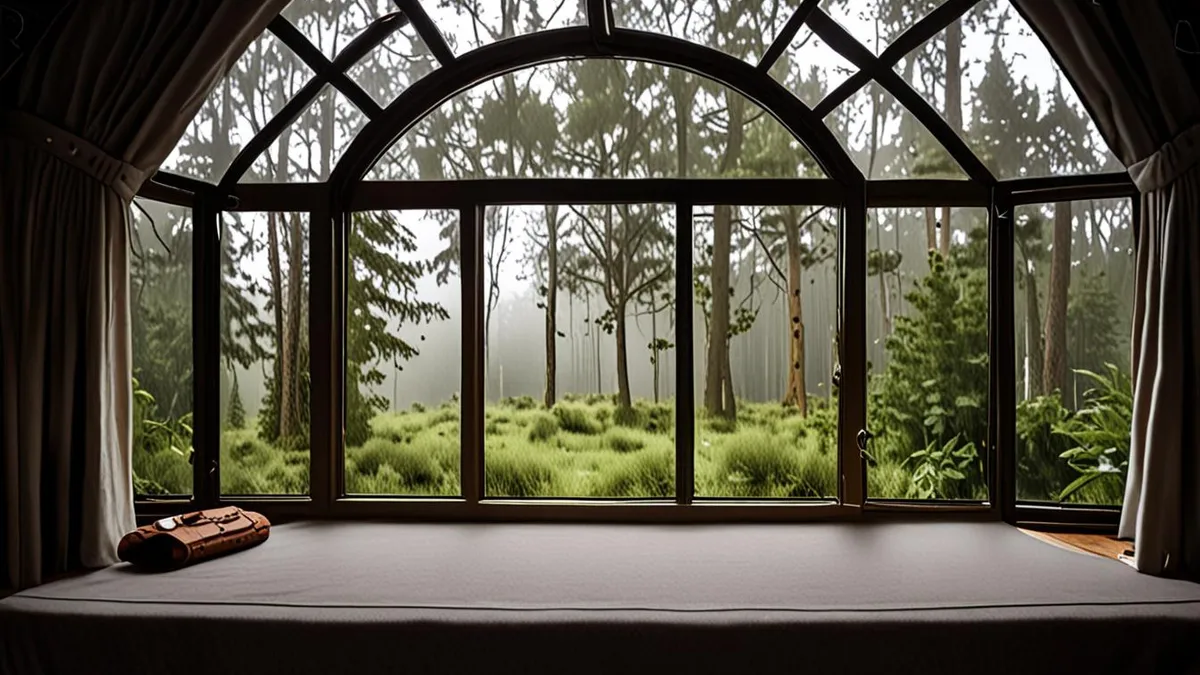
Modern glamping structures change the rain experience completely. Solid-wall stays like domes and cabins mean you hear the rain drumming overhead without feeling a drop of it. There’s something deeply relaxing about watching a downpour from a warm, dry interior with a hot drink in hand, something a canvas tent simply can’t offer.
The photos are better too
Don’t underestimate the photography. Stormy skies, low clouds, and misty landscapes create some of the most atmospheric shots of any trip. Sunsets after rain, fog curling through trees, raindrops on a window with woodland behind: these images beat the standard blue-sky holiday snap every time. Rain doesn’t ruin the scenery; it changes it, often for the better.
Choosing a Stay That Handles Wet Weather
Not all glamping structures cope equally well with prolonged rain. Domes and cabins with hard walls and proper heating beat canvas tents hands down when the weather settles in for days. A canvas tent can leak, feel clammy, and never quite dry out, while a solid structure stays warm and dry no matter what’s happening outside. If rain is a real possibility for your dates, the structure you choose matters more than anything else on this list.
Before you book, it helps to understand the differences between the main options. Our guide to yurts, domes and cabins compared breaks down how each type handles weather, space and comfort, so you can pick the right one for a wet-weather trip.
Beyond the structure itself, look for features that make rainy days easier. Here’s what to check before you commit:
- Covered decking or a sheltered porch: this lets you sit outside under a roof with a coffee, watch the rain, and keep muddy boots outdoors without bringing the wet into your living space.
- Drying space: a rack, hooks or an airing area for wet jackets, towels and boots makes the difference between one damp day and a week of everything smelling musty.
- An en-suite bathroom: walking across a wet field to a shared shower block in the rain gets old fast, so an en-suite is worth prioritising for wet-weather trips.
- A wood burner or reliable heating: this keeps the structure warm and dry, dries the air, and gives you a focal point for cozy evenings indoors.
One final tip: these weatherproof structures are the most popular on any site, and they sell out first. Reserve your dome or cabin 3-6 months ahead, especially if you’re traveling in a drier month when demand peaks.
Booking and Timing Around the Forecast
Timing makes a huge difference to your odds of dry weather. UK glamping roughly runs from April to October, and if your priority is avoiding rain, aim for May to September, which offers the best odds of dry days. The shoulder months either side can be lovely, but you’re simply rolling the dice more often.
For a deeper look at how each month performs, our guide to the best time of year for glamping in the UK covers seasons, prices and what to expect from each window.
Book flexible in the shoulder months
If you do travel in April or October, a flexible cancellation policy matters far more than it does in high summer. Weather in these months is less predictable, so being able to shift dates or cancel without losing your deposit gives you a safety net. Read the terms carefully before booking and favour operators with clear, generous policies over the cheapest non-refundable deal.
Watch the forecast before you finalise
Nightly rates for glamping typically run from £80 to £250 depending on the season and structure, with wetter weeks sitting at the lower end of that range. That’s another reason not to fear the shoulder season. Around 7-10 days before departure, check a long-range forecast and finalise your plans: book indoor attractions as backups, adjust your packing list, and confirm any activity reservations. A short window like this gives you a realistic picture without locking in decisions too early.
What to Pack for Wet Weather Comfort
The difference between a soggy ordeal and a cozy break usually comes down to what’s in your bag. Glamping sites rarely have a shop around the corner, so anything you forget stays forgotten. A little thought before you leave pays off the moment the first shower rolls in.
Start with your outer layers. A waterproof jacket with a 5,000-10,000 mm rating will handle proper British drizzle without soaking through, and it’s worth spending a little more here than on any other single item. Pair it with quick-dry layers rather than cotton, which stays damp and cold for hours.
Then think about the ground. The walk from the car park to your dome or cabin can turn into a mud bath after one night of rain, and soggy trainers are miserable for the rest of a trip.
- Slip-on waterproof boots: laces and wet mud are a bad combination, and being able to step in and out at the door of your accommodation saves constant fuss
- At least three spare pairs of socks: wet feet are the fastest route to a ruined day, and drying socks on a wood burner overnight is a small luxury
- Dry bags or a lidded plastic bin: keep bedding, spare clothes and electronics sealed away, since condensation and drips find their way into even the sturdiest structures
- A small microfibre towel: useful for wiping down dewy chairs, wet dogs and steamed-up windows
Finally, pack for the evening indoors. A simple kit of playing cards, a good book, a travel board game and a torch costs around £20-£40 to assemble, and it will earn its keep on any night you’d rather not venture out. If you’re still deciding where to stay, a solid-wall structure with heating makes far more difference in wet weather than any item on this list — our guide on how to pick the right glamping site covers what to look for before you book.
Indoor Activities When You’re Stuck Inside
A rainy evening in a well-built cabin or dome can be the best night of the trip, provided you arrive with a plan. The trick is to treat the indoor hours as part of the holiday rather than a gap to fill.
Food is the obvious place to start. A slow one-pot meal — a stew, a chilli or a rich pasta sauce — simmering on the hob or balanced near the wood burner turns the whole space into the kind of kitchen you want to sit around for hours. Prep the ingredients before you leave home so the cooking itself is the enjoyable part, and let it become the centrepiece of the evening rather than a chore squeezed between activities.
After dinner, low-light entertainment works best. Lantern light and the sound of rain outside make even a simple pack of cards feel like an occasion.
- Set up a running tournament: keep score across the whole stay rather than single games, so a best-of-five series gives every wet evening a storyline
- Bring a 500 or 1,000-piece puzzle: spread it on a table and let people drift in and out of it over the course of the trip
- Plan tomorrow over breakfast: use the morning to map the next day’s route and book any indoor attractions nearby — museums, pools, covered markets — as a ready-made wet-weather backup
Don’t write off the night sky, either. Rain often clears the air, and the hour between the last shower and full dark can deliver unusually sharp stargazing, especially at rural sites well away from town lights. Step outside with a hot drink, give your eyes ten minutes to adjust, and you may be rewarded with a sky you’d never see at home.
Making the Most of the Rain Itself
There’s a version of a rainy day where you stare at the window all morning, and there’s a version where you put your waterproofs on and go out anyway. The second one is nearly always better. Rain changes a landscape rather than ruining it: forests smell stronger, streams swell, and paths you shared with crowds in dry weather empty out completely.
Walk straight into it
With a proper jacket and boots, walking in light to steady rain is genuinely pleasant — cool, quiet and dramatic. Woodland is the star performer, with dripping canopies and mist threading between the trees. Waterfalls are at their most impressive when they’re fed by fresh rain, so if there’s one within reach, a wet day is the day to see it. Keep photography in mind too: stormy skies and low cloud produce some of the most atmospheric shots you’ll ever bring home.
Let the wildlife surprise you
Wet conditions bring animals out. Birds forage actively in drizzle, and frogs and toads appear on paths and puddle edges after rain in a way they simply don’t in dry weather. Puddle-stomping sounds like a joke, but it’s one of the few activities that works equally well for a five-year-old and a grown adult in a good pair of boots.
The real skill is timing rather than endurance. Rather than writing the day off, open a radar app and watch the gaps between showers — most wet days are made of bursts and breaks, not solid rain. Plan a short walk or a trip to the fire pit for a dry window, then retreat indoors when the next band rolls in. A day built around three or four well-timed outdoor bursts usually beats one long, soggy slog, and it keeps the cozy evenings feeling earned.
Wrapping Up Your Rain-Ready Glamping Plan
So the forecast shows rain and you’re weighing up whether to cancel. Don’t. Rainy day glamping works when you pick a solid-wall stay, pack the right layers and bring some indoor entertainment. A dome or cabin with heating means you hear the rain on the roof instead of feeling it in your sleeping bag, and a small kit of cards, a book and a torch costs little to assemble.
There’s a silver lining beyond the cosiness, too. Shoulder-season rain often means lower rates and quieter sites, so you get the same landscapes with fewer people around. A little preparation turns a wet forecast into a cozy, memorable break rather than a washout. If this helped you plan a rain-ready trip, leave a comment or share the article with a fellow traveler.