Booking an all-inclusive ski lodge in the Alps sounds simple: one price, meals included, spa access and slopes nearby. But many travelers hesitate because they are not sure what the package actually covers, and whether the higher nightly rate truly saves money compared with booking a regular hotel and paying for everything separately.
This guide walks you through the details. We cover what a typical package includes, from meals and afternoon snacks to spa areas and ski storage, and what usually costs extra, such as ski passes and equipment rental. You will also find advice on when to go and how far ahead to book, how to choose between Alpine regions, what a typical day looks like, and a realistic budget breakdown per night. By the end, you will know whether an all-inclusive lodge fits your skiing style and your wallet.
What an All-Inclusive Ski Lodge Package Covers
The core promise of an all-inclusive ski lodge is that you barely open your wallet once you arrive. Full board is the foundation: you get a generous breakfast buffet, a lunch option that is either a hot meal at the lodge or a packed lunch to take up the mountain, and a multi-course dinner in the evening. Many lodges also keep the bar running on house drinks, though the exact drinks policy varies, so it is worth asking before you book.
Beyond meals, the practical extras are what make these lodges feel effortless. After a day on the slopes, you come back to warm food and a heated spa instead of hunting for an open restaurant in ski boots. Most packages typically include:
- Afternoon tea: cakes, pastries and savory snacks served in the lounge, usually from mid to late afternoon, perfect for refueling after your last run.
- Spa access: use of saunas, indoor pools, steam rooms and quiet relaxation rooms, so sore legs get a proper recovery session without leaving the building.
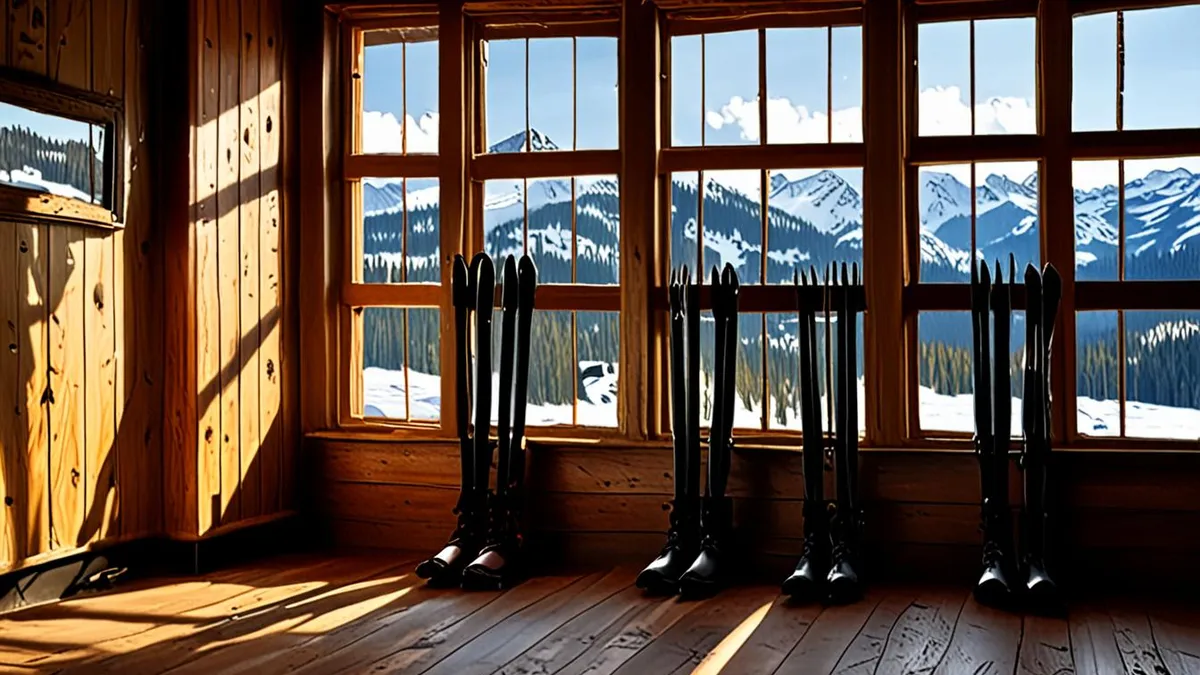
- Ski logistics: heated ski storage with boot dryers that have your gear warm and dry each morning, plus, at many lodges, a shuttle running to and from the lifts.
These inclusions are why many skiers return to the same lodges year after year. The convenience compounds: no morning rush to dry boots, no lunch bill to settle and no decision fatigue after dinner.
What Usually Costs Extra
All-inclusive does not mean all-paid, and knowing the gaps in advance keeps your budget honest. The biggest extra for most skiers is the lift pass. In major Alpine resorts, ski passes often cost €50 to €70 per day, and while some lodges let you bundle the pass into your booking at checkout, others leave it entirely to you. Ask at the time of booking, because bundling can simplify your mornings and sometimes locks in a better rate.
Equipment is the second common surprise. Unless the package explicitly names it as included, assume you will pay for rental, which typically runs €25 to €45 per day for skis, boots and poles. Lessons and drinks are the other two areas where bills grow quietly, especially for families with children in ski school all week.
- Private ski lessons: one-on-one or small-group instruction is priced separately from everything else, and peak-week instructors book out early, so reserve ahead if you want a specific day or time.
- Premium drinks: house wines and beers may be covered under the package, but branded spirits, cocktails and top-shelf bottles usually go on your room bill.
- À la carte dining: if the lodge has a specialty restaurant beyond the set dinner menu, expect a supplement or a full separate price.
- Off-site excursions: activities like tobogganing evenings, ice skating trips or visits to nearby towns are typically arranged by the lodge but charged as extras.
A good habit is to list your likely extras before booking and compare the true total, not just the headline nightly rate.
When to Go and How Far Ahead to Book
Timing your trip around the snow
The Alpine ski season runs roughly from early December to mid-April, though conditions vary by altitude and resort. For the most dependable snow, aim for January and February, when slopes are typically at their best and the snowpack is well established. Early December can be lovely and quiet, but lower runs may rely on artificial snow at some resorts, so check the resort’s snow history if you book that early.
Booking windows and quieter bargains
If your heart is set on Christmas, New Year or the February half-term week, reserve 4 to 6 months ahead. These weeks sell out first, family rooms go fastest, and prices climb as availability shrinks. Waiting until autumn for a peak-week booking usually means compromising on room type or paying a premium.
Flexible travelers can play a different game. January offers excellent snow with noticeably quieter slopes and lower rates than the holiday weeks, while late March brings longer daylight, milder temperatures and spring-ski deals as the season winds down. Both windows suit skiers who care more about value and elbow room than calendar prestige. Whichever you choose, check the lodge’s cancellation terms before committing, since winter weather and travel plans can shift.
Choosing the Right Alpine Region for Your Stay
The Alps are not one single ski destination, and the region you choose shapes your whole week. If you want variety and long, linked runs, look at the large ski areas in France and Austria. These networks connect multiple villages and mountains, so you can ski a different route every day without repeating yourself, and strong intermediaries will love the sheer distance on offer.
Smaller valleys in Switzerland and Italy work differently. They trade scale for charm: traditional villages, shorter lift queues and gentler terrain that suits beginners, returning skiers getting their legs back, or anyone who values atmosphere over mileage. An Italian valley lodge with a family-run feel can be just as memorable as a vast French ski circuit.
How close should the lodge be to the lifts?
Distance to the lifts matters more than most travelers expect. A ten-minute walk in ski boots feels very different from a quick shuttle ride, especially with children. Most good all-inclusive lodges sit within 5 to 15 minutes of major lift stations, and many run their own shuttle, so check this detail before booking. Ski-in, ski-out access is rare at the all-inclusive end of the market, so a reliable transfer to the lifts is often the practical equivalent.
Match the region to your skiing style first, then compare lodges within it. That order saves you from paying for terrain you will never use.
A Typical Day at an All-Inclusive Ski Lodge
A big part of the appeal of staying at an all-inclusive ski lodge is that someone else handles the logistics, so your day follows a comfortable rhythm. Once you know the pattern, you can plan your energy around it, deciding when to push for extra runs and when to rest. Here is how a typical day unfolds, based on how most Alpine lodges structure their schedule.
- Early breakfast. The buffet opens early, usually well before the lifts start turning, with hot and cold options on offer. Eat enough to fuel a morning on the mountain, but keep it sensible; heavy food and steep pistes do not mix well. If you plan to picnic at lunchtime, this is also the moment to collect your packed lunch.
- First lifts. Most guests head out between 8:30 and 9:00 am, when the snow is still firm and the slopes are quiet. Since most lodges sit within 5 to 15 minutes of major lift stations, often with a shuttle service, an early start is painless rather than a logistical mission.
- Lunch on the mountain or a packed lunch. Many lodges offer both routes: eat at a mountain restaurant and pay on site, or collect a packed lunch at breakfast and picnic on a sun terrace. The packed option keeps your day flexible and your spending predictable, since mountain restaurants can add up quickly over a week.
- Afternoon spa and tea time. Back at the lodge, this is when the spa earns its keep. A sauna or pool session loosens tired legs before the next day, and afternoon tea with cakes and snacks bridges the gap until dinner. If your legs are done for the day, this slot is the natural end to your skiing.
- Set dinner and evening entertainment. Dinner is usually a multi-course, fixed-menu affair, often with house wines included, while premium drinks may cost extra. Evenings vary by lodge, from live music in the bar to torch-lit walks through the village, so ask at reception what is on during your stay.
You are never obliged to follow this schedule. Some guests skip the afternoon spa for extra runs on quiet late-afternoon slopes, while others skip the slopes entirely and settle into the sauna by mid-morning. The structure is there when you want it, and easy to ignore when you do not. Either way, the rhythm of the lodge tends to make the week feel effortless.
Budgeting: What You Really Pay Per Night
All-inclusive sounds expensive until you add up the alternative. Expect roughly €250 to €600 per person per night, depending on the region, the room type and the week you travel. Peak holiday weeks and famous French resorts sit at the top of that range; quieter Austrian valleys in low season sit closer to the bottom.
Compare the package against paying separately
To judge whether the price is fair, price the same week à la carte. A lift ticket alone runs you a daily fee comparable to a decent restaurant dinner in most major Alpine resorts, and that is before you add equipment rental, which typically runs €25 to €45 per day for skis, boots and poles. Breakfast, dinner and afternoon snacks add up quickly at resort prices, too. Together, those extras can easily add €100 or more per person per day before you have touched a drinks menu. When you stack that against the package rate, the gap often narrows or disappears.
Families usually see the biggest savings. Children’s meals and kids’ clubs are frequently bundled into the package, which means you are not paying restaurant prices three times a day for young skiers, nor hiring separate childcare. Ask specifically what is included for children, as this varies more between lodges than any other detail.
One caution: the headline rate rarely covers everything. Premium drinks, branded spirits and à la carte dining beyond the set menu usually cost extra, so budget a modest amount for bar bills and treats even on a full package.
Wrapping Up Your Alpine Lodge Stay
So, does staying at one of these lodges actually save you money and hassle? In most cases, yes. Bundling meals, spa access and ski logistics into one predictable price means no surprise dinner bills or morning scrambles for boot dryers. When you add up what you would otherwise spend separately on mountain lunches, multi-course dinners and wellness access, the higher nightly rate starts to look far more reasonable.
The two things that matter most are timing and fit. Reserve well ahead for peak weeks like Christmas, New Year and February half-term, and expect roughly €250 to €600 per person per night depending on region and season. Just as importantly, match the region and package inclusions to your skiing style before committing, since a lodge that suits a family of four may not suit a group chasing long linked runs. If this helped you plan your trip, leave a comment or share the article with your ski crew.