You’ve found three glamping listings that all look dreamy in the photos: a timber treehouse wrapped in leaves, a canvas safari tent with a deck, and a round yurt glowing under a wood-burning stove. The treehouse vs safari tent vs yurt question trips up a lot of travelers, because each one suits a very different trip, budget and season.
This guide breaks the choice down piece by piece. We’ll compare how each structure is built and how many people it sleeps, then look at bathrooms, kitchens and heating. You’ll see what each type typically costs per night, when to book for the best availability, and which stay fits couples, families and first-timers. We’ll also match each stay to the landscapes where it shines, from woodland canopies to open hillsides, and finish with a short, direct answer so you can book with confidence.
What Each Stay Actually Is: Structure, Space and Sleeping Setups
The three stays look similar in thumbnail photos but are built completely differently, and those differences shape everything from how much you sleep to how warm you’ll be at night. Knowing the basic structure of each one makes the rest of the comparison much easier.
Treehouses: elevated timber with room to breathe
A treehouse is a solid timber build raised off the ground, usually on stilts or platforms among mature trees. Most sleep 2–4 guests, and the better ones come with en-suite bathrooms and wraparound decks that put you level with the canopy. Because the structure is fixed, you get proper walls, insulation and often full-size windows framing the view.
Safari tents and yurts: two very different canvas worlds
Safari tents are large canvas structures stretched over fixed wooden or steel frames, and they typically sleep 4–6 people with separate living areas inside. Think of them as a furnished bungalow with canvas walls: distinct bedrooms, a lounge space, and often a deck outside. Yurts are the opposite shape entirely — round canvas tents on a wooden lattice frame, usually sleeping 2–5, with a wood-burning stove at the center as the heart of the room.
Space per guest differs sharply between the three. A safari tent built for six can feel roomier than a premium treehouse designed for two, because the tent’s floor plan spreads bedrooms and living areas across a much larger footprint. If you’re traveling with kids or friends, that raw square footage matters more than the romance of sleeping in the treetops.
Comfort Levels: Bathrooms, Kitchens and Heating Compared
Comfort is where these three stays really separate, and the dividing line isn’t always where you’d expect. The first thing to check on any listing is the bathroom situation, because it changes your morning routine more than anything else.
Premium treehouses almost always include en-suite bathrooms, so you get a proper toilet and shower steps from the bed. Yurts and safari tents, by contrast, often rely on shared or nearby bathroom blocks — fine for a night or two, less fun on a rainy 2am walk across a field. If en-suite facilities matter to you, filter listings for it before you fall in love with the photos.
Heating is the second big factor. Wood-burning stoves are standard in yurts and many treehouses, which keeps both types genuinely comfortable in April, May and September, when canvas-only stays can feel chilly after dark. At the top end, luxury safari tent camps blur the lines entirely, adding hotel-grade fittings to canvas walls.
- Luxury safari tents frequently include full kitchens with a stove and fridge, so you can cook real meals rather than camping stovetop pasta.
- Proper beds with real mattresses are standard at the higher-end tent camps, a big step up from the thin futons in budget yurts.
- Some luxury tent setups add private hot tubs or wood-fired baths on the deck, a feature rarely found at basic yurt sites.
- Basic yurts may have no running water at all inside, with cooking done at a shared outdoor kitchen — check the amenities list carefully.
Put simply, expect the biggest comfort gap between a basic yurt and a high-end treehouse, not between canvas and timber. A well-equipped safari tent can out-comfort a spartan treehouse every time.
Costs: What You Pay Per Night and Where Each Type Sits
Glamping prices vary hugely by type, and knowing the typical bands helps you spot a deal or an overpriced listing at a glance. In the UK, yurts are the budget option at roughly £80–£180 per night, safari tents sit mid-range at £120–£300, and treehouses command the top prices at £150–£400 — especially for two-person romantic stays, where sites charge a premium for privacy and en-suite comfort. If you want to see how yurts compare with other budget structures, this guide to comparing yurts, domes and cabins goes deeper on the alternatives.
Timing moves the numbers as much as the structure does. Shoulder months like April, May and September can cut prices noticeably versus peak July–August, when school holidays push demand — and rates — to their ceiling.
- Midweek stays are often noticeably cheaper than weekends at the same site, particularly for treehouses where weekend demand is strongest.
- Luxury safari tent camps can push well above the standard tent range once full kitchens and hot tubs are included, so read what’s actually in the rate.
- Two-person treehouse bookings often cost close to what a family safari tent costs, meaning the per-person price gap is much wider than the nightly one.
- Some sites charge per person rather than per unit, which can make a yurt for two cheaper than the headline rate suggests — or the opposite for solo travelers.
As a rule of thumb, pick the cheapest type that meets your comfort needs and spend the savings on a longer stay or a better location. Check current rates directly with sites, since prices shift year to year.
When to Book Each Stay: Seasons and Lead Times
Glamping in the UK follows a fairly predictable rhythm: most sites open around April and wind down by October. Within that window, May, June and September tend to offer the best balance of decent weather and reasonable prices, while July and August bring peak crowds and peak rates. If your dates are flexible, the quieter months either side of high summer are where the value sits.
Lead times matter more for some stays than others. Treehouses and safari tents on popular sites often need booking 3–6 months ahead for summer weekends, especially the two-person treehouses that couples snap up for anniversaries and long weekends. Leave it late and you’ll usually be choosing between midweek dates or whatever’s left in October.
Yurts are the exception. Because there are more of them and demand is steadier, they’re typically easier to book outside the peak summer rush — April, May and September often come with noticeably lower rates than July and August. That makes them a good spontaneous option if you decide on a Friday that you want to escape by the following weekend.
Can you go glamping in winter?
Mostly, no — but not entirely. Winter stays are largely limited to insulated treehouses and yurts with wood-burning stoves, which hold heat well enough for frosty nights. Most safari tent camps close over winter, since canvas on a frame isn’t built for storms and freezing temperatures. If a cold-season trip is on your mind, check that a site actually operates year-round before you get attached to a particular yurt. For a month-by-month breakdown of weather, prices and availability, see our guide to the best time of year for glamping in the UK.
Which Stay Fits Which Traveler
The right stay depends less on the structure and more on who’s sleeping in it. A romantic treehouse for two would feel cramped for a family of five, while a six-berth safari tent is overkill for a couple who just want a quiet night under canvas. Matching the stay to the traveler is the single easiest way to avoid overpaying — or booking something that disappoints. It also saves you from the awkward conversation at reception when a group arrives to find the layout doesn’t work for them.
Think about what you actually need from the trip. If the highlight should be waking up in the canopy with your own bathroom down the short flight of stairs, book the treehouse. If it’s space for the kids to spread out while you cook dinner, a safari tent’s separate living area does that job. If you simply want to find out whether glamping suits you at all, a yurt with a stove ticking away is the cheapest way to answer that question — and shoulder months like May or September make that first taste of canvas living even easier on the wallet.
- Couples celebrating something special: a treehouse, where the privacy, the en-suite bathroom and the feeling of being tucked away in the trees justify the higher nightly rate — and many sites position these stays explicitly around anniversaries and proposals.
- Families or small groups: a safari tent, where 4–6 sleeping spots plus a proper living area mean the per-person cost often works out lower than booking two smaller units, and everyone gets room to move on rainy afternoons.
- First-timers testing glamping on a budget: a yurt, the most affordable of the three options, with the warmth of a wood-burning stove included — a low-risk way to find out if canvas living is for you before spending more.
- Anyone prioritising comfort in cooler months: a stove-heated yurt or treehouse, both of which cope far better with chilly, damp weather than a canvas safari tent, which is why most tent camps simply close outside the main season.
Where to Find Each Type: Landscapes That Suit Treehouses, Safari Tents and Yurts
Glamping stays are shaped by their surroundings, and the best sites put each structure where it performs at its best. A treehouse buried in a flat field, or a yurt crammed into dense woodland, wastes the very thing that makes that stay worth booking. Before you compare prices, look at where the site actually sits.
Treehouses belong in the trees
Treehouses suit forest and canopy settings — woodland estates, rainforest lodges and treetop retreats where you sleep level with the birds. The whole appeal is elevation: looking out over branches rather than across a lawn. In the UK, that usually means sites on wooded estates or the edges of old forest, where the trees are mature enough to build around. If the photos show a deck with nothing but grass beyond it, you’re paying treehouse prices for a shed on stilts.
Open ground for tents and yurts
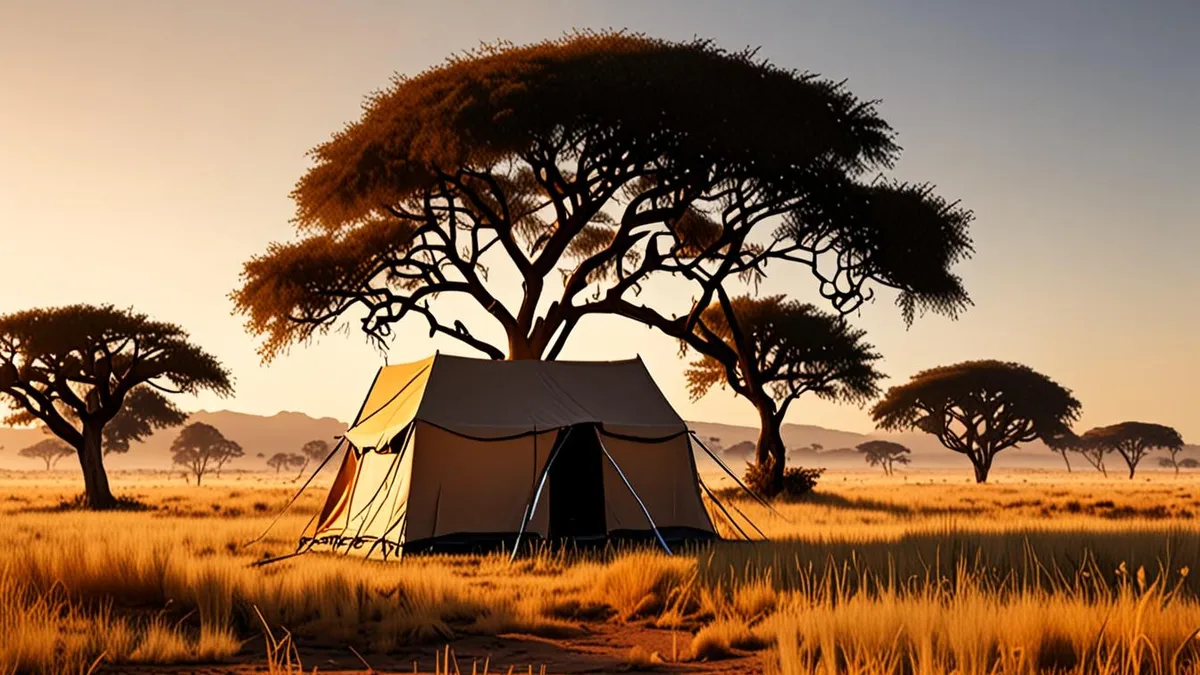
Safari tents belong on open grassland and coastal meadows, echoing their origins in African safari camps where the whole point was a wide view over the plains. In Britain, that translates to clifftop meadows, rolling parkland and dune-backed coastal sites — places where the canvas and the veranda face a horizon. Yurts thrive in open countryside too, from the Welsh hills to vineyard valleys, where their round shape and roof window are designed to catch light and views from every direction. A yurt on a hillside with a valley below is a very different experience from one wedged between trees.
The practical takeaway: match the landscape to the stay. Treehouse for woodland, safari tent for open grassland and coast, yurt for rolling open country. Get that right and even a modest site will outperform a fancy one in the wrong setting.
Treehouse vs Safari Tent vs Yurt: The Short Answer
So, which glamping stay actually fits your trip? If you want privacy and an en-suite bathroom, the treehouse is the winner, at £150–£400 a night. If you’re traveling with family or friends, the safari tent gives you the most space for your money at £120–£300. And if you’re testing glamping on a budget, the yurt is the affordable, stove-warm entry point at £80–£180.
Timing matters just as much as the choice of stay. Book summer weekends 3–6 months ahead for the popular spots, or aim for May, June and September to get better value and a quieter site. Pick the stay that matches your group and your budget, and glamping delivers on its promise. If this helped you decide, leave a comment or share the article with a friend who’s planning a trip.