Glamping listings love the phrase “fully equipped,” but it can mean very different things. At one site, it promises a proper kitchen with an oven and a private bathroom down the hall. At another, it turns out to be a single camp stove outside and a washblock shared with a dozen other tents. That gap between expectation and reality is the most common disappointment among first-time glampers.
This guide breaks down what a glamping stay actually includes, from the bed and bedding to the cooking setup and bathroom arrangements. We’ll compare en-suites with shared washblocks, look at what kitchens typically offer at different price levels, and flag the items that often get left off the list — towels, firewood, cooking basics. We’ll also show you how to verify exactly what your unit includes before you book, so the trip matches the listing.
What a Glamping Stay Actually Includes
Strip away the Instagram photos and most glamping units bundle the same three things: a real bed made up with bedding, some form of cooking setup, and access to a bathroom. The catch is that the level of each varies hugely depending on what you pay.
At the budget end, bell tents and yurts typically run around £80–£120 per night, and that price usually buys you shared washblocks and a basic kitchenette rather than anything private. Move up to safari tents, domes and cabins at roughly £150–£300 per night, and you’re far more likely to get an en-suite bathroom and a fuller kitchen, sometimes with an oven.
Read the list per unit, not per site
This is the mistake that catches people out: assuming everything on a site offers the same package. One site can happily run a shared-facility yurt at the back of the field and a fully equipped lodge with its own bathroom by the entrance, at very different prices. The site name tells you nothing about your unit.
So before booking, find the inclusion list for the exact structure you’re considering — the yurt, not the website in general. Check the bed configuration, what the kitchen contains, and whether the bathroom is your own or a walk across the grass. It takes two minutes and it’s the difference between the trip you pictured and the one you actually get.
Beds and Sleeping Arrangements
The good news on sleeping is simple: at nearly all UK glamping sites you get a proper bed frame with a real mattress, a duvet and pillows — not an airbed on the floor. Bedding is included at most sites, so you arrive to a made-up bed. The usual exception is towels, which budget sites sometimes charge for separately, so check that line in the listing.
Capacity is fixed, so plan for it
Sleeping capacity is usually a hard limit, not a suggestion. A typical unit sleeps a double plus one or two singles, which means three to four people. A family of five often needs two units rather than squeezing in an extra person — sites rarely allow it, and cramming a sixth onto a sofa bed wasn’t the holiday you booked anyway. Count heads before you book, not at the gate.
Mattress and heating matter more than you think
Ask what kind of mattress you’re getting, because it ranges from memory foam in higher-end units to something noticeably thinner in basic tents. Heating varies just as much: wood burners are common in yurts and domes and make a genuine difference on chilly nights, while bell tents in April–May or September–October can drop below 10°C overnight. If you’re traveling in the shoulder months, a heated unit is worth prioritising. If you’re weighing up structure types, our comparison of yurts, domes and cabins covers how each one handles warmth and space.
Kitchens and Cooking Facilities
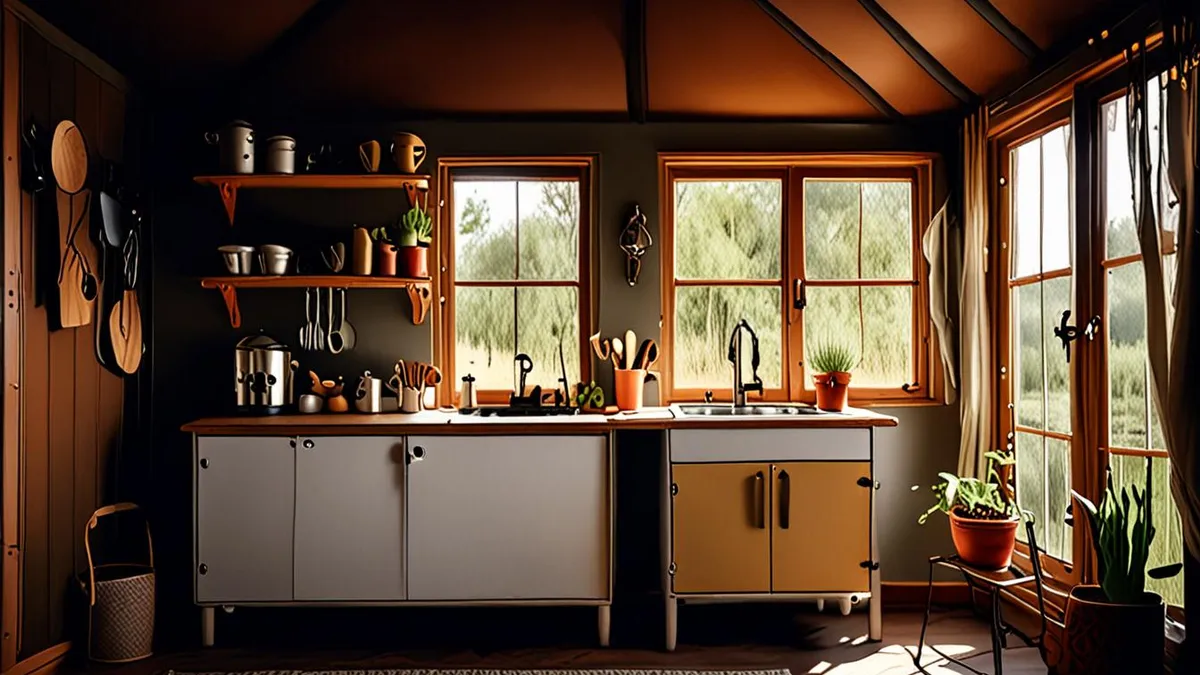
A standard glamping kitchenette means a two-ring hob, a kettle, a small fridge, a sink and a basic cookware set. That’s enough for pasta, eggs and a fry-up, but not much more. Full ovens and dishwashers are mostly limited to cabins and lodges — if your trip depends on a roast or a batch of brownies, confirm the oven exists before you book rather than assuming it does.
At tent-based sites, cooking often happens in a communal camp kitchen instead. You’ll typically get a shared fridge shelf and a designated prep area, which works fine but changes how you shop. Bring a cool box for meat and dairy, since that shared shelf fills up fast on busy weekends and you can’t count on much space.
Fire rules are the other thing to check. Many sites ban open campfires anywhere outside designated fire pits, and policies on BBQs vary from site to site. It’s worth confirming what’s provided versus what you need to buy, especially at higher-end sites like those covered in our guide to what a luxury safari tent camp includes and costs.
- Firewood: some sites include a starter bundle, others sell it on site — arriving without either means a cold evening or a drive to the nearest garage.
- BBQ gas: if the unit has a gas BBQ, check whether the canister is full or empty on arrival, as refills aren’t always stocked.
- Fire pits: designated pits are often first-come, first-served, so ask at check-in whether your unit has one allocated or shared.
- Matches and lighters: surprisingly often missing from the cookware set — pack your own rather than borrowing from the site office.
Bathrooms: En-Suite vs Shared Washblocks
The bathroom situation is where glamping stays differ the most, and it is the first thing to check before booking. En-suite bathrooms with a flush toilet, hot shower and basin appear in roughly half of mid-range units, especially safari tents, domes and cabins. Budget yurts and bell tents typically share a washblock instead, usually somewhere between 20 and 100 meters from your unit — close enough for a midnight trip in slippers, far enough that you will want a dressing gown and decent torch.
Shared washblocks at established UK sites are usually cleaned daily and have unlimited hot water, so the reality is often better than the word “shared” suggests. The main downside is timing: expect queues on summer mornings between 8 and 10 am, when everyone is showering before breakfast and checkout. If you are an early riser, you will rarely wait at all.
Composting and long-drop toilets
Composting or ‘long-drop’ toilets are normal at remote and eco-focused sites, where mains drainage simply does not exist. They are fine for most adults and often cleaner and less smelly than their reputation suggests. They are worth knowing about in advance if you are traveling with young children, though — some kids take to them instantly, others refuse point-blank, and you do not want to discover this at 9 pm. If in doubt, ask the site whether at least one flush toilet is available somewhere on the property.
If sharing facilities sounds like too much compromise, a proper en-suite unit splits the difference nicely between traditional camping and a hotel room — our guide to glamping versus camping covers that trade-off in more detail.
How to Verify What’s Included Before You Book
Glamping listings can be surprisingly vague, and two units on the same site often include completely different things. One yurt might come with bedding, towels and a wood burner, while the tent pitched fifty meters away expects you to bring half your kitchen. A few minutes of verification before you pay saves a lot of disappointment on arrival, especially in summer when the choice of remaining units is thin. Here is how experienced glampers do it, before and after booking.
- Book early for summer weekends. Most sites require booking 2–6 months ahead for summer weekends in peak season, which runs roughly from late May to early September. The best-equipped units — the ones with en-suites and full kitchens — sell out first, so late bookers end up choosing between what is left rather than what suits them. If you have a specific unit type in mind, book it the moment dates open up.
- Cross-check the listing against recent reviews. Read the amenity list carefully, then scan the newest guest reviews for the same unit type. Phrases like ‘no oven’ or ‘towels not provided’ tend to surface there first, before the site updates its description. Reviews also flag practical details listings omit, such as how far the washblock really is, how reliable the heating is, and whether the kitchenware is complete or missing half its pieces.
- Email the site directly. Ask specifically about bedding, towels, heating and kitchen equipment for your exact unit and your exact dates. Get the answer in writing so there is no confusion at check-in. Sites that answer clearly and promptly usually run a well-organized operation overall, which tells you something about how the stay itself will go.
- Consider the shoulder months. April–May and September–October often have cheaper rates on the same fully equipped units. You get the en-suite and the wood burner for less money, plus quieter grounds and easier parking — you just need warmer clothing and a bit of luck with the weather. Pack layers either way.
Doing this takes maybe twenty minutes in total, and it is the single best investment you can make in the trip itself. The difference between a well-matched unit and a mismatched one is the difference between glamping feeling luxurious and feeling like camping with extra steps. Check the details once, in writing, and you can spend the weeks before arrival looking forward to the trip instead of worrying about it.
What’s Usually Not Included
Even at the pricier end of the market, a glamping stay is not a hotel room, and the exclusions catch people out every summer. The good news is that almost everything omitted is easy to pack once you know it will not be there. A few minutes with the listing’s fine print — and a quick email to the site if anything is unclear — will tell you exactly which gaps apply to your unit. Before you load the car, check which of these apply to your unit.
- Towels. Bedding is included at most UK glamping sites, but towels are often charged or omitted at budget sites. Some offer a towel hire pack per person, others expect you to bring your own — check the listing’s fine print and pack beach towels as a backup for lake or river swimming.
- Food basics. Oil, salt, pepper, tea and coffee are rarely stocked, even in units with a full kitchenette. A small plastic tub with these staples, plus a washing-up sponge and cloth, covers most gaps.
- Firewood and BBQ gas. Some sites provide a starter bundle of logs, others sell it on site, and a few expect you to bring your own. Many sites also ban open campfires outside designated fire pits, so confirm the rules before packing a large grill.
- Reliable connectivity. Wi-Fi is often limited or absent by design at rural sites, and phone signal can be patchy. Download offline maps and any tickets or directions before arrival, and tell family members you may be unreachable.
- Cleaning service. At tent-based sites, cleaning is typically self-service, and a ‘leave it as you found it’ policy is standard. Factor in time to sweep, wash up and strip bedding on your last morning rather than assuming a housekeeping team will handle it.
None of these exclusions are dealbreakers once expected — they only become problems when they surprise you. The trick is to treat your unit’s inclusion list as the starting point for your packing list, rather than packing as if you were checking into a hotel. If you are traveling in the shoulder months of April–May or September–October, add an extra layer and a torch, since facilities and daylight are thinner on the ground than in high summer. Fifteen minutes of preparation is all it takes to arrive prepared, unpack quickly and get straight to enjoying the view instead of rummaging for a towel.
The Bottom Line on Glamping Comforts
So what does “fully equipped” actually mean when a glamping listing promises it? In most cases, a glamping stay covers three things: a real bed with bedding, a hob-and-kettle kitchenette or a shared camp kitchen, and either an en-suite bathroom or a shared washblock a short walk away. The phrase itself tells you very little on its own, which is why the details matter more than the headline.
Price tier is the best predictor of the package. Budget bell tents and yurts in the £80–£120 range usually mean shared facilities and a basic kitchenette, while safari tents, domes and cabins at £150–£300 more often include en-suites and fuller kitchens. Verifying the inclusion list for your exact unit before booking is what separates a comfortable trip from a surprise. If this guide helped you plan your stay, leave a comment or share it with a fellow first-time glamper.