You’ve found a Canadian wilderness lodge that looks perfect in the photos, but a question keeps nagging at you: what does a stay there actually involve? Will your cabin have a bathroom? What do you do all day? Can you even get a phone signal? Remote lodges work differently from hotels, and showing up without knowing the basics can throw off your packing, your budget and your expectations.
This guide walks you through the whole experience, starting with what defines a wilderness lodge and how it differs from a resort. We’ll cover the rooms and amenities you can realistically expect, the summer activities built around lakes and wildlife, and the winter side of things, from dogsledding to northern lights nights. You’ll also find practical advice on when to go, how far ahead to book and what a stay typically costs. By the end, you’ll know whether this style of trip fits you and how to plan it with confidence.
What Is a Canadian Wilderness Lodge?
A Canadian wilderness lodge is a remote, often small-scale property set deep in the country’s wild landscapes, typically in boreal forest, on the shore of a quiet lake or in the Rockies. Many of these lodges are fly-in or boat-access only, often sitting 1-3 hours from the nearest road. That isolation is the whole point: no traffic, no crowds and no light pollution, just you and the landscape.
The size of these places surprises many first-time visitors. Most lodges cap capacity at 10-40 guests, which makes the atmosphere closer to staying at a friend’s large cabin than checking into a hotel. Staff learn your name on day one, meals feel communal and guides tailor each day’s plans to the group’s interests and energy levels.
How the pricing works
Unlike a standard hotel, rates usually cover lodging, all meals and guided activities in one price. You pay upfront for the experience rather than nickel-and-diming canoe rentals, guided hikes or dinner. That structure makes budgeting simple, though it’s worth confirming exactly what’s bundled before you book, since extras like transfers or specialized outings can vary from lodge to lodge.
Room Types and Amenities to Expect
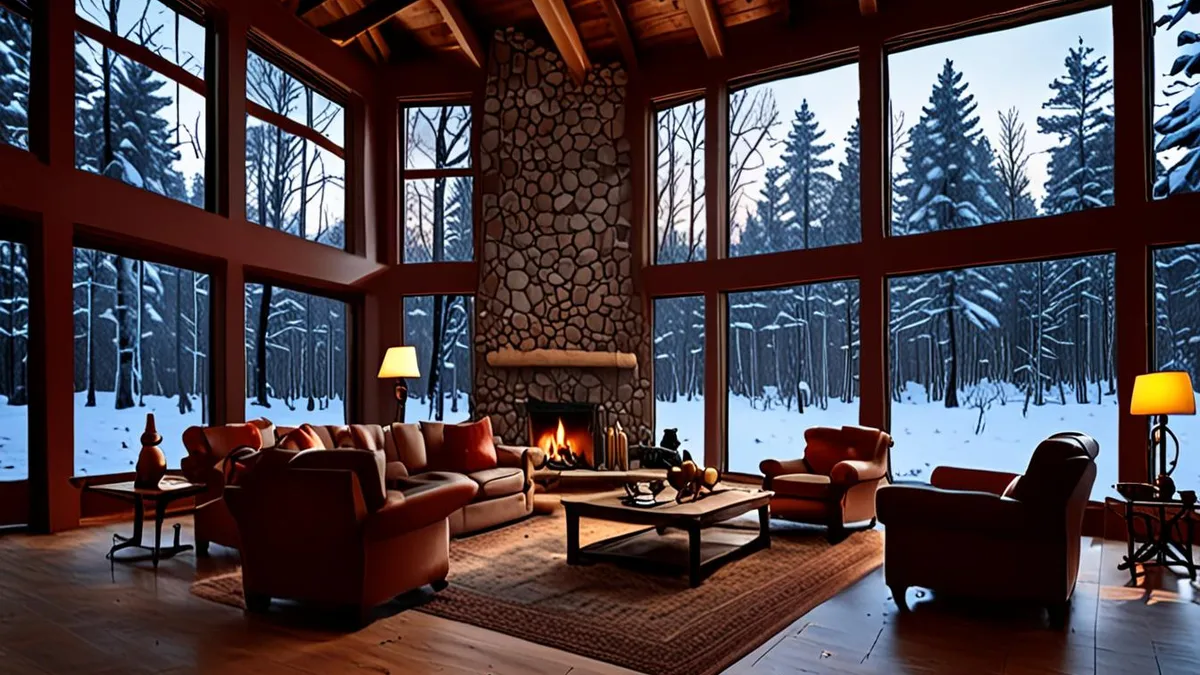
Forget marble lobbies and room service. Accommodations at a wilderness lodge are simple but comfortable, usually log cabins or lodge rooms built from local timber. Wood stoves are common, and most rooms look out over the lake or the forest, which does more for the experience than any flat-screen TV would. Expect the basics done well: a real bed, good blankets, hot water and a window worth waking up to. Because most lodges are fly-in or boat-access only, often 1-3 hours from the nearest road, everything from furniture to firewood has been hauled in or built on site, which gives the rooms a character you won’t find in a chain hotel.
Food is a highlight at most lodges. Expect hearty three-meal-a-day dining served family-style, where guests and often guides share long tables. Menus lean on fresh bread, soups, lake fish and generous mains that make sense after a full day outside. Dietary needs are usually accommodated if you flag them at booking, so mention allergies or preferences when you reserve rather than on arrival. One practical tip: alcohol is frequently BYO at remote lodges, so check the policy before you travel and pack a bottle or two if you want a drink with dinner.
Common amenities
Most properties share a similar toolkit of comforts designed around the outdoors. Wi-Fi is often limited or satellite-based, so treat connectivity as a bonus rather than a given, and let people back home know you may be offline. Since many lodges sit outside licensed towns, alcohol is frequently BYO, so check the policy and pack accordingly. Beyond that, the amenities are simple and geared to the setting rather than to pampering.
- Saunas and hot tubs: A wood-fired sauna is a staple at many lakeside lodges, especially welcome after a cold swim or a long day on the trails.
- Fire pits: Evening fires are often the social center of the lodge, where guests swap stories and guides talk through the next day’s plans.
- Docks and swim areas: The dock doubles as a jumping-off point for swims, fishing and boat departures, often with chairs for morning coffee.
- Gear sheds: Most lodges keep life jackets, paddles, fishing tackle and rain gear on hand, so you don’t need to haul your own equipment in.
Summer Activities at a Canadian Wilderness Lodge
Summer is when these lodges come alive, with the peak season running June to September. Water activities lead the way: guided canoeing and kayaking on the lodge’s home lake are usually included in the rate, and guides adjust routes to your skill level, from a calm first paddle to a longer trip along the shoreline.
Hiking is the other daily staple. Trails range from easy shoreline walks you can do between meals to full-day backcountry routes led by guides who know the terrain and the weather patterns. Most lodges also run wildlife outings, and fishing is often a core part of the experience, with gear and boats typically provided so you can just show up with a license and some patience.
What to look for on the water and in the woods
Wildlife viewing is a highlight for most guests, with moose, black bears, beavers and loons among the regular sightings. Dawn and dusk are the best windows, so plan early starts or late evenings if animals are a priority. Bring binoculars and a camera with a zoom lens, since most encounters happen at a distance.
- Fishing targets: Walleye, northern pike and lake trout are the classic species in Canadian lodge lakes, and many lodges offer fish cleanings so you can cook your catch for dinner.
- Canoe vs. kayak: Canoes suit pairs and gear-heavy outings, while kayaks are faster and better for solo paddlers; most lodges keep both on hand.
- Loon watching: Loons nest on many lodge lakes in summer, and their calls at dusk are one of the signature sounds of the Canadian north.
- Guided vs. self-guided hiking: Shoreline trails are usually open to explore on your own, while backcountry routes typically require a guide, which is a good safety measure in bear country.
Winter Activities and Northern Lights Season
Winter transforms a Canadian wilderness lodge into a completely different property. The lake you paddled in summer becomes a frozen highway, and the activity calendar shifts to snow. Two experiences define the season at most lodges: dogsledding excursions and snowshoe treks. Dogsledding typically means riding a team-run sled through forest trails or across the ice, sometimes with the chance to help harness the dogs. Snowshoeing is slower and quieter, often ending at a lookout or a spot where guides set up a fire and hot drinks.
Ice fishing is another winter staple. Many properties maintain heated huts on the frozen lake, so you can jig for lake trout or pike without spending the day in the cold. Guides usually drill the holes and provide the tackle, which makes it approachable even if you have never fished through ice before.
- Northern lights viewing peaks on clear nights from late December through March, when long dark hours give you the best odds; lodges often wake guests or keep a lookout system when aurora activity is strong.
- Snowmobile tours run to remote lookouts or frozen waterfalls, but they are weather permitting, so guides may reroute or cancel when trail conditions or visibility are poor.
- Between activities, expect the lodge itself to do heavy lifting: wood stoves, saunas and long family-style dinners become part of the winter routine.
If the aurora is your main goal, it helps to read about how other northern properties handle the season. A good comparison is Discover Arctic Silence at Lapland Wilderness Lodge, which shows what a dedicated northern-lights-focused stay looks like.
When to Go and How Far Ahead to Book
Timing shapes everything at a wilderness lodge, from which activities are on offer to how much you pay. The peak summer season runs June to September, when the water is warm enough for canoeing and kayaking and daylight stretches late into the evening. For winter stays and aurora trips, late December to March is the window that works, combining deep snow with the darkest, clearest nights.
How far ahead to book
These lodges are small, often capping capacity at 10-40 guests, so prime weeks sell out early. For summer peak weeks, plan to book 6-12 months ahead. Winter stays move a little faster on availability, and booking 3-6 months ahead is usually sufficient, though popular aurora dates can fill sooner.
The shoulder season trade-off
Shoulder months like late May or early October bring lower rates, and for some travelers that trade is worth it. The catch is conditions: late May can mean lingering cold water, early bugs and unsettled weather, while early October delivers quieter trails and fall color but cooler temperatures and shorter days. If your priority is simply being there rather than ticking off every activity, the shoulder season is a smart way to save.
It also pays to understand booking patterns before you commit. For a closer look at how timing affects price and availability at a well-known lodge destination, see Best Time to Book a Lodge Stay in Banff National Park.
What a Canadian Wilderness Lodge Stay Costs
Wilderness lodge pricing depends mostly on one thing: how you get there. Road-accessible lodges run roughly CAD 300-800 per person per night. These properties are easier to operate and resupply, and that shows in the rate.
What fly-in lodges cost
All-inclusive fly-in lodges typically cost CAD 800-1,500 per person per night. The higher price reflects the logistics of running a remote property: floatplane or charter transfers, staff flown in for the season, and everything from fuel to food brought in by air or boat. Keep in mind that flights to remote strips are sometimes billed separately from the lodge rate, so ask what the quoted price includes before you book.
What you get for the money
The good news is that rates generally bundle the essentials: lodging, three meals a day, guided activities and gear. At a fishing lodge, that often means boats and tackle; at a backcountry property, it can include guided hikes and canoe outings. Once you factor in what meals and guided days would cost separately, the all-inclusive math often looks more reasonable than the sticker price suggests.
Multi-night packages of 3-7 nights are the norm at remote properties. Short stays rarely make sense when the trip in itself takes time and money, so most lodges structure their rates around week-long or half-week blocks. If you are comparing lodge pricing to other unusual accommodation types, it can help to see how the numbers break down elsewhere, as in How Much Does a Treehouse Lodge Stay Cost in 2025?
Is a Wilderness Lodge Stay Right for You?
So, is a wilderness lodge stay right for you? If you want guided nature, small groups of around 10-40 guests and a genuinely unplugged pace, the answer is likely yes. Daily life is simple and social: family-style meals, wood stoves, evenings by the fire, and days shaped around what the landscape offers rather than a fixed schedule.
The season you pick shapes the trip. Summer stays center on water and wildlife, with canoeing, fishing and wildlife viewing usually included in the rate. Winter trips are all about snow, northern lights and cozy lodge evenings with dogsledding and snowshoeing. Budget CAD 300-1,500 per person per night depending on how remote the lodge is, and book anywhere from 3 to 12 months ahead. If that mix of comfort, nature and quiet sounds appealing, a Canadian wilderness lodge will not disappoint. Have questions or a lodge stay of your own to share? Leave a comment below.