Planning a multi-lodge safari trip across Southern Africa sounds thrilling on paper, then the questions pile up fast. Which reserves connect easily? How many nights do you actually need at each camp? And how do you book flights, borders and transfers across several countries without the whole thing unraveling?
This guide walks you through the decisions that matter most. We compare why moving between lodges beats staying put, map out the classic lodge combinations from Kruger to the Okavango Delta to Victoria Falls, and break down the seasons so you know when game viewing peaks and when rates drop. You’ll also find practical advice on how many nights to book per lodge, what a lodge-hopping safari realistically costs, and how to handle booking logistics and packing when you’re changing beds every few days. By the end, you’ll have a clear framework for building a route that fits your budget, your schedule and the wildlife you most want to see.
Why a Multi-Lodge Safari Trip Beats a Single-Base Stay
Staying at one lodge for a whole safari feels simpler, but it locks you into a single ecosystem and a single slice of what Southern Africa offers. Each reserve has its own strengths. Kruger and its private concessions are known for Big Five density, meaning you have a strong chance of seeing lion, leopard, elephant, buffalo and rhino in a single trip. The Okavango Delta offers something entirely different: gliding past hippos in a mokoro and watching elephants wade through channels you simply can’t access by road.
Spread your weather risk
Weather is another argument for moving around. A localized storm or an unusually hot spell can flatten game viewing at one reserve, but it rarely affects an entire region at once. Multiple lodges also let you compare styles: a fenced private reserve with off-road driving, a remote delta camp reached only by light aircraft, and a park like Etosha, where arid-adapted species such as oryx and springbok thrive around dusty waterholes.
A 2–3 week route combining 3–4 lodges rewards you with genuinely varied landscapes, from delta channels to thundering falls, without ever feeling rushed. That variety is exactly what turns a good safari into a memorable one.
Choosing Your Route: Southern Africa’s Classic Lodge Combinations
The most popular lodge circuit in Southern Africa follows a natural geographic line. Most travelers start in Kruger National Park or the adjacent Sabi Sand reserve in South Africa, where road access and self-drive options make arrival easy. From there, the route typically moves north into Botswana for Chobe National Park, famous for its elephant herds along the river, and then into the Okavango Delta’s water-and-mokoro camps. The journey usually ends at Victoria Falls in Zimbabwe or Zambia, a spectacular finish within road distance of Botswana’s northern parks.
How you move between lodges depends on the country. Kruger suits self-drive and road transfers, while Botswana’s delta camps are reached almost exclusively by light aircraft. If you’re weighing up lodge types for the first time, this first-timer’s guide to choosing a safari lodge in Kenya covers many selection criteria that apply across Africa. A few route notes worth knowing:
- Kruger’s road network lets you combine a self-drive stretch with lodge-based game drives, which is a good way to control costs early in the trip before flying.
- Light-aircraft hops between Botswana camps usually depart from small airstrips near each lodge, so transfers are scheduled around your game drive times rather than fixed bus timetables.
- Chobe to Victoria Falls is roughly 80–100 km by road, about a 1.5–2 hour transfer including the border crossing, making it one of the easiest international legs you’ll do.
Check visa and border requirements for your nationality before booking, since rules vary by country and can change. It’s also worth confirming current park fees and border hours with your operator close to your travel dates, as these details are updated regularly.
When to Go: Seasons for a Multi-Lodge Safari Trip
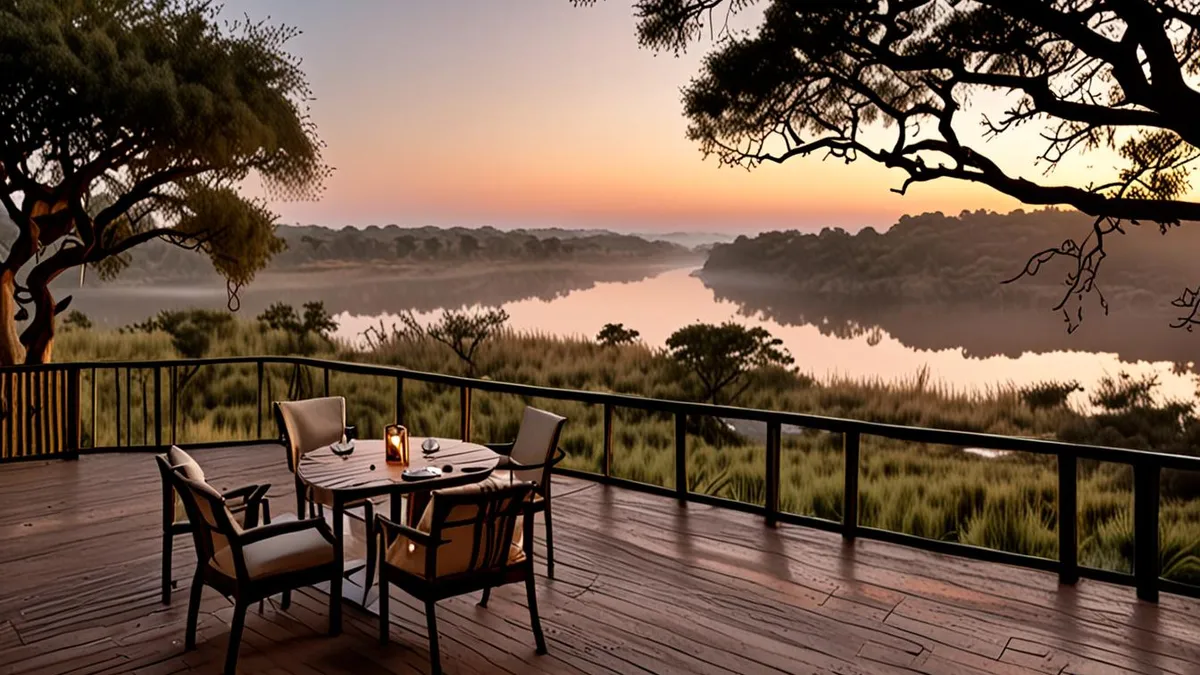
Timing shapes every part of a multi-lodge safari trip, from what you see to what you pay. The dry season from May to October offers the best wildlife viewing across most of Southern Africa. Vegetation thins out, animals gather at permanent water sources, and dry tracks make game drives smoother. It’s also peak season, so the most popular lodges fill up far in advance.
Shoulder months: the value window
If you want lower prices without giving up too much, aim for the shoulder months of April–May and November. Rates drop by roughly 20–30% compared with peak season, and you’ll share sightings with noticeably fewer vehicles. April–May still benefits from the tail end of the dry spell in many areas, while November sits on the edge of the rains, so conditions vary by lodge and year.
From November to March, the rains transform the region. Landscapes turn lush and green, newborn animals appear across the plains, and birding is at its best as migrants arrive. Game viewing takes more patience because thick vegetation hides animals and water is widely available, so they scatter rather than congregate. Photographers often prefer this season for its dramatic skies and green backdrops, even if sightings require more work.
One practical note for a multi-lodge itinerary: the delta’s floodwaters follow their own cycle, so ask each lodge how water levels typically look in your travel month before finalizing your route.
How Many Nights per Lodge
One of the most common mistakes on a lodge-hopping safari is cutting each stay too short. Plan at least 3 nights per lodge to absorb the transfer time and actually settle into the rhythm of game drives. Remember that your first afternoon at a new camp is usually spent arriving, unpacking and getting oriented, so a 2-night stay can leave you with only two or three real drives before you pack up again.
That said, shorter stays can work under the right conditions. A 2-night stop is only worth considering when it comes with efficient flight connections, such as a light-aircraft hop that lands you at the camp airstrip by mid-morning rather than a long road transfer that eats half a day. If a transfer involves a border crossing or multiple legs, stick to 3 nights or more.
Before you finalize the itinerary, build in a buffer night at the start or end of the trip. Regional flights in Southern Africa can be delayed or rescheduled, and a missed connection on the way to a remote airstrip can otherwise cost you an entire lodge stay.
- Front-load your buffer: place the spare night at the start of the trip, ideally in a gateway city, so a delay never costs you a prepaid lodge night.
- Match nights to ecosystem pace: water-based delta camps reward longer stays because mokoro and boat activities often alternate with drives day by day.
- Ask about check-in and activity schedules when booking, since some camps only run game drives at set times and a late arrival can mean missing the first one entirely.
- Keep the same 3-night rule for your final lodge so a delayed departure flight doesn’t force you to skip the last morning drive.
Budgeting Your Lodge-Hopping Safari
Lodge-hopping across Southern Africa spans a wide price range, so it helps to know the benchmarks before you request quotes. Mid-range lodges typically run about $300–$600 per person per night, usually including meals and two daily game activities. Luxury camps often start at $800 and can climb past $1,500 per person per night, especially in prime delta locations during peak season.
Transfers are the line item travelers forget. Light-aircraft transfers in Botswana add roughly $150–$400 per leg depending on distance, and a three-lodge itinerary can mean four or more separate flights. Road transfers between neighboring reserves are cheaper, but they add travel time to your day.
The good news is that a multi-lodge trip is one of the easiest safaris to fine-tune on cost. Traveling in the shoulder months rather than peak dry season brings rates down noticeably, and mixing lodge tiers works beautifully: pair one splurge camp with two mid-range stays and you get the flagship experience without the flagship total. If you like the idea of unusual accommodation, it’s also worth comparing how much a treehouse lodge stay costs in 2025 before deciding where to spend your splurge night.
- Check what the rate includes: some mid-range lodges exclude park fees, drinks and premium activities, which can add a meaningful amount per day.
- Ask about long-stay or multi-camp discounts, since some operators reduce rates when you book several of their properties in one itinerary.
- Confirm whether light-aircraft fares are per person or per seat charter, as small groups sometimes find a private charter leg comparable in price.
- Pay deposits by credit card where possible, and keep a record of which balances are due directly to lodges versus through an agent.
Booking Logistics and Packing for Multiple Lodges
Booking ahead and confirming the details
Good lodges in popular reserves sell out early, especially for June to October travel. Reserve your lodges 9–12 months ahead for those dates, and even earlier for the small delta camps that may have only a handful of rooms. When you inquire, ask each lodge directly about laundry service, wifi availability and whether they accept Visa or Mastercard, so you know how much cash to carry and how few clothes to pack.
Laundry is the detail that changes your packing most. Many safari lodges offer same-day hand washing or laundry service, which means three or four outfits can carry you through a two-week trip. Wifi, on the other hand, is often limited to common areas or unavailable entirely in remote camps, so plan to be offline for stretches and download offline maps before you fly.
Packing for light aircraft
If your route includes light-aircraft transfers, luggage limits are typically 15–20 kg in soft-sided bags. Pack a duffel, not a hard case: soft bags are what small planes require because they need to fit into tight baggage compartments, and some operators will refuse rigid suitcases outright. Keep camera gear, medication and documents in a small daypack you keep with you on board, and weigh your bag at home before departure so there are no surprises at the airstrip.
Wrapping Up Your Southern Africa Safari Plan
A multi-lodge safari across Southern Africa sounds complicated, but it comes down to a few clear decisions. Pair three or four lodges across distinct ecosystems over two to three weeks, combining areas like the Kruger region, the Okavango Delta, Chobe and Victoria Falls. Time your trip for the May to October dry season, when game viewing is at its best, and book popular lodges 9 to 12 months ahead for June to October travel.
On budget, expect roughly $300–$600 per person per night at mid-range lodges and $800–$1,500+ at luxury camps, and pack soft-sided bags under the typical 15–20 kg light-aircraft limit. Get those four elements right—route, season, booking window and packing—and the logistics fall into place. If this helped you plan your own safari route, leave a comment or share the article with a fellow traveler.