You want sea views and fresh air without giving up a proper bed, hot water and a decent breakfast setup — but choosing a coastal glamping stay in Cornwall raises questions. Where should you base yourself, what does a night in a dome or safari tent actually include, and how much should you budget? It is easy to book something that turns out to be a long drive from the sea or far more basic than the photos suggest.
This guide walks through what makes coastal glamping in Cornwall different from inland stays, the best areas to choose from, and how safari tents, geodesic domes and timber cabins compare. You will also find practical advice on when to book and what prices to expect, how to judge whether a site is genuinely good, and what to pack for a clifftop night. By the end, you should be able to match an area, a stay type and a season to the trip you actually want.
Why Coastal Glamping in Cornwall Is Different From Inland Stays
Coastal glamping in Cornwall feels noticeably different from a stay at an inland meadow site, and the difference starts with scale. Sites near the sea are typically small, often somewhere between 5 and 20 units, and they cluster close to coves, cliffs and the South West Coast Path. You are rarely one of fifty pitches; you are one of a handful of guests sharing a clifftop field or a terraced slope above a bay. That intimacy is a large part of the appeal, but it also means sites fill quickly and quiet is generally the norm rather than a lucky bonus.
Weather shapes the accommodation
Salt air and exposed headlands are hard on equipment, so wind-resistant structures dominate. Geodesic domes and hard-sided timber cabins handle Atlantic gusts far better than canvas-only setups, which is why many coastal sites favor them over traditional bell tents. If you are set on canvas, expect it to be a sturdy safari tent with proper frame and guy lines rather than a lightweight option.
Evenings cool quickly by the sea, even at the height of summer. That is why fire pits, wood burners and extra blankets are standard at most established sites rather than optional extras. When comparing sites, treat a heat source as a baseline requirement, not a luxury — you will likely use it in July as well as September.
Best Areas of Cornwall for a Seaside Glamping Base
Choosing the right part of Cornwall matters as much as choosing the right site, because the north coast, the Lizard and the Roseland offer genuinely different trips. Your base determines whether you step out of your tent to surf, to a quiet cove or to a sailing village harbor, so think about the daily rhythm you want before you book.
The north coast around St Agnes, Polzeath and Bude draws people for its surf beaches and dramatic cliff scenery, and the atmosphere is livelier — expect surf schools, beach cafes and more going on in the evenings. The Lizard Peninsula sits at the other end of the spectrum, with quieter coves and sheltered waters that suit couples seeking seclusion. The Roseland Peninsula and the Fowey side offer gentler landscapes, sailing villages and family-friendly beaches, making them a natural pick for trips with children.
- North coast: Polzeath in particular is a well-known learner surf beach, so first-time surfers can book lessons within walking distance of several glamping sites.
- Lizard Peninsula: the sheltered southern coves are calmer for swimming and kayaking than the open Atlantic beaches, and the peninsula’s compact size means short drives between villages.
- Roseland and Fowey side: sheltered sailing waters and villages like Fowey itself give rainy-day alternatives — galleries, riverside walks and boat trips — that windier coastlines cannot match.
Whichever area you pick, check how the accommodation types on offer suit the setting — this comparison of glamping accommodation types helps you match a dome, tent or cabin to your chosen coastline.
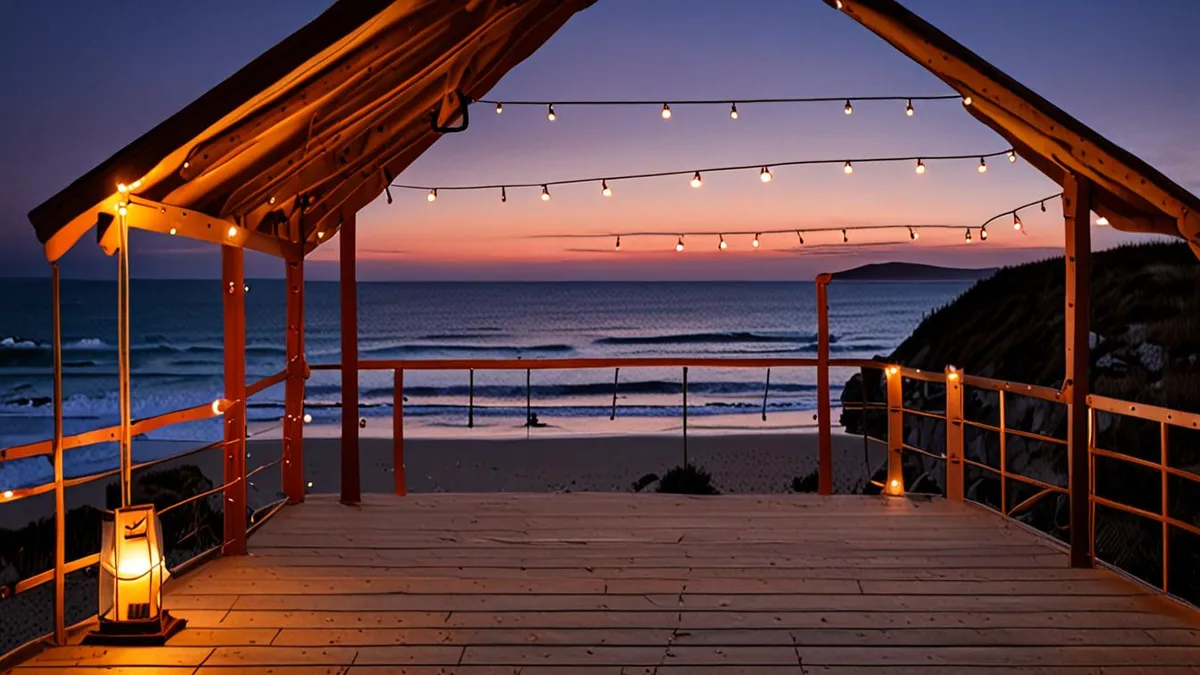
Choosing Your Stay Type: Tents, Domes and Cabins by the Sea
Once you have picked an area, the type of accommodation decides how much of the coastal experience you actually see from bed. Most sites offer a mix of canvas structures, domes and hard-sided wooden units, and each suits a different kind of trip.
Safari tents and domes
Safari tents offer the most space of the three, with separate sleeping and living areas, and they often come with private decks positioned for sea views. If you are traveling with children or staying a week rather than a weekend, that extra room and a place to sit outside with morning coffee make a real difference. Peak-week safari tents sit at the top of the price range, so expect to pay for the space.
Geodesic domes are the view specialists. Their curved windows maximize panoramic coastal outlooks, so you can watch the light change over the water without leaving your bed. If waking up to the horizon is your priority, a dome with a seaward-facing window is hard to beat.
Cabins and pods for wilder months
Wooden cabins and pods give the best wind and rain protection, which makes them the sensible choice for shoulder-season trips in May, June or September, when Atlantic weather is less predictable. They insulate better than canvas, often include a proper wood burner or heater, and let you enjoy a storm rolling over the headland from a dry, warm room. If your dates fall outside high summer, filter your search for hard-sided accommodation first and check availability early, as these units tend to fill quickly in the quieter months too.
When to Book: Seasons, Prices and Lead Times
Timing makes a bigger difference to a Cornish glamping trip than almost any other decision. July and August are peak season, when prices typically run £150-£250 per night and the most sought-after sea-view units disappear fast. For those weeks, book 6-12 months ahead — popular sites with clifftop positions are often fully committed before the previous summer ends.
Shoulder months are where the value sits. May, June and September usually cost £90-£160 per night, and 2-3 months’ notice is generally enough to secure a good unit. You still get long daylight hours in June and often settled weather in September, with far fewer crowds on the beaches and the coast path.
One seasonal note for swimmers: the sea is at its warmest in August, around 17-18°C. Outside July and August, pack or hire a wetsuit if you plan to spend real time in the water — it makes a two-hour session possible instead of a ten-minute dare.
If you want a fuller breakdown of how the seasons compare across the country, this guide to the best time of year for glamping in the UK covers seasons and prices in more detail.
How to Spot a Quality Coastal Glamping Site
Not every site calling itself coastal delivers the same experience. Some sit genuinely on the cliff edge, while others are farm fields a good drive from the sand. Before you book, check the actual distance to the coast path and the nearest beach — “coastal” can mean anything from a short stroll to a proper hike, and that gap shapes your whole stay. Most established sites in Cornwall sit within 1-2 miles of the South West Coast Path, which is a useful benchmark, but a mile of clifftop track with a buggy and beach gear feels different from a mile of flat lane.
It also pays to think about how the site handles Cornish weather. Sea conditions can turn quickly, and the difference between a comfortable evening and a soggy one often comes down to shelter and layout. A practical first-timer’s guide to choosing a glamping site covers the basics, but coastal stays have a few extra checks of their own:
- Distance in real terms: look at a map rather than trusting the listing photos, and note whether you can walk to the beach or need to drive and park.
- Covered outdoor space: a veranda or canopy over your deck or BBQ area means you can still eat outside when a shower rolls in off the Atlantic.
- Bathroom arrangements: confirm whether your unit has a private en-suite or you’ll use a shared block — a real consideration on cold mornings in a dome or safari tent.
- On-site facilities: an on-site cafe or camp kitchen saves a drive on mornings when you want coffee and pastries before a coast path walk.
Ten minutes of checking these details before booking usually separates a memorable stay from a disappointing one, especially on exposed stretches of the north coast around St Agnes and Polzeath where the weather arrives first.
What to Expect and Pack for a Cornish Coast Stay
The good news is that most established Cornish glamping sites take care of the fundamentals. Expect bedding and towels to be provided, a camp kitchen or BBQ for cooking, and a fire pit for evenings — these are standard rather than luxuries at the better sites. You typically only need to bring clothes, food and a sense of adventure, though it’s always wise to confirm the exact kit list with your chosen site before you travel.
Dressing for the Coast
Layers are the key to comfort. Even in midsummer, exposed clifftop sites are noticeably cooler than inland spots, and the sea breeze that feels refreshing at noon can bite after sunset. A windproof jacket is worth its weight in your bag regardless of the forecast — headland weather changes fast, and a sunny morning can turn blustery by the afternoon.
Footwear and Water Gear
Bring proper walking shoes or light hiking boots for the coast path. Sections near St Agnes, Polzeath and the Lizard can be uneven and slippery after rain, and sandals won’t cut it on a full day’s walking. If you plan to swim outside July and August, pack a wetsuit or arrange to hire one locally — the sea rarely reaches comfortable swimming temperatures in the shoulder months, and a wetsuit turns a quick dip into an actual session.
Finally, leave a little room in your bag. Between farm shops, bakeries and beach finds, most people come home with more than they brought.
Wrapping Up Your Cornwall Glamping Plan
Coastal glamping in Cornwall answers the problem neatly: you get sea views, fresh air and the coast path on your doorstep, but with proper beds, heating and a camp kitchen instead of a saggy air mattress. Most sites are small and sit within 1-2 miles of the South West Coast Path, so the trade-off between comfort and location is smaller than you might think.
The plan is simple. Pick your area first — the surfier north coast around St Agnes and Polzeath, the quieter Lizard Peninsula, or the gentler Roseland — then choose a stay type that suits it, from safari tents to windproof cabins. For the best value, aim for May, June or September, when nights typically cost £90-£160 and 2-3 months’ notice is usually enough. If this helped you plan your trip, leave a comment or share the article with a fellow traveler.