Planning a norway fjord lodge stay is trickier than it looks. The same fjord can be a green paradise in July, a golden photo opportunity in September and a snowy, aurora-lit hideaway in January. Pick the wrong month, and you risk closed mountain roads, gray skies over the viewpoints or peak-season prices for weather that never showed up.
This guide breaks down what each season actually offers, from summer’s long daylight to winter’s low rates and northern lights. We’ll compare May and September as value months, look at how prices swing through the year, and help you decide where along the fjords to base yourself. There’s also practical advice on booking windows and budgeting, so you can match your dates, your lodge and your budget before you commit.
Why Timing Shapes Your Norway Fjord Lodge Stay
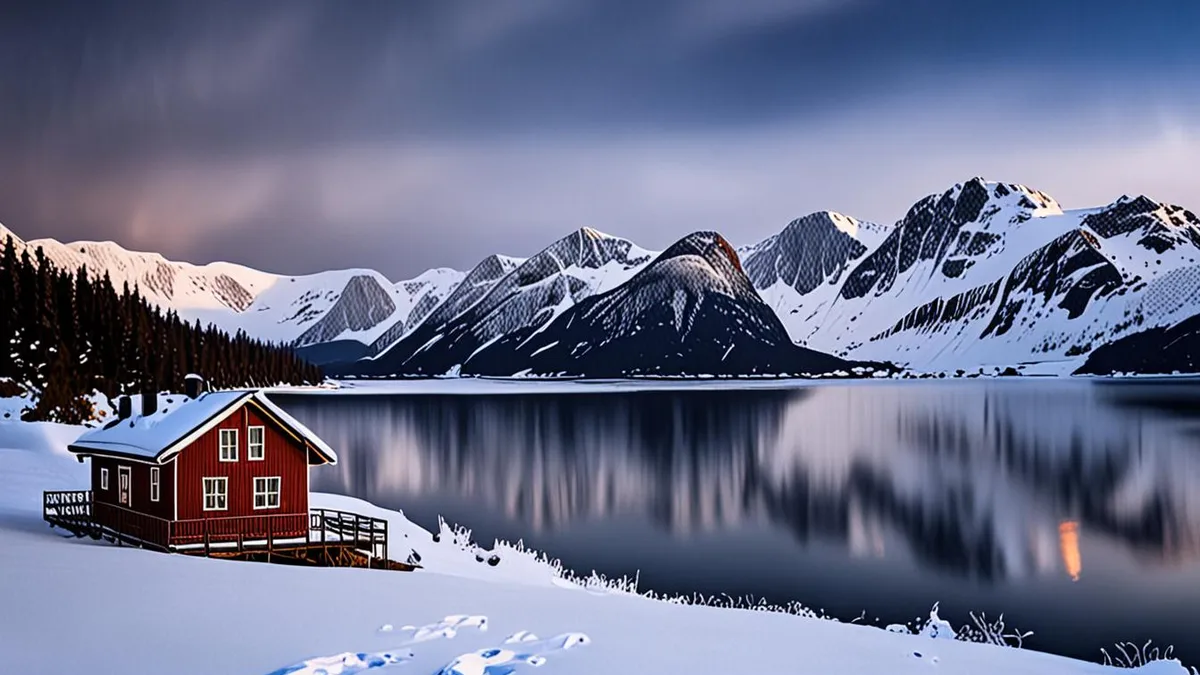
The fjords never look the same twice. In summer, the cliffs wear deep green and the water reflects nearly round-the-clock light. By autumn, the slopes turn gold and rust, while winter wraps the same walls in snow and ice, with waterfalls frozen mid-fall. Photographers often plan entire trips around one specific month because the difference is that dramatic.
Prices move just as much as the scenery. Lodge rates typically swing by 30-50% between peak summer and deep winter, so the identical room with the identical view can cost half as much in February as it does in July. That’s a big lever on your total trip budget, and it’s one you control simply by choosing your dates well.
Daylight changes everything
Daylight is the third factor that shapes your stay. In late June, the fjord regions get close to 24 hours of light, which means you can hike, cruise or kayak well into the evening. In December, you may have under 6 hours of usable daylight, so each day needs careful planning. Neither is better or worse; they simply suit different travelers. A summer visitor wants maximum activity time, while a winter guest trades daylight for cosiness, saunas and, in the north, a real chance of seeing the aurora.
Summer: Peak Season for Fjord Views and Prices
June to August is peak season for good reason. This is the warmest stretch of the year, with the longest daylight and full access to hiking trails, boat tours and fjord cruises that shut down or run reduced schedules in colder months. Every viewpoint, ferry and mountain road is typically open, so you can build the most ambitious itinerary of the year.
The real magic is the light. The midnight sun lasts roughly from late May to late July in the fjord regions, which means you can set out on an evening fjord excursion at nine or ten at night and still have plenty of visibility. Kayaking under a low golden sun at eleven in the evening is the kind of experience you simply cannot buy in other seasons.
Long days also change how you plan. You can stack a mountain hike, a fjord cruise and a late dinner into a single day without rushing, since darkness barely arrives at all. Families with school-age children often choose these months for exactly that reason, and trails, campgrounds and village cafes feel at their liveliest.
What peak season costs you
The trade-off is price and crowds. Expect the highest lodge rates of the year during these months, and know that popular lodges with fjord-view rooms and waterfront terraces fill up first. Book 4-6 months ahead if you want the best rooms rather than whatever is left. If your dates are flexible even by a week or two at the edges of the season, you can often soften both the price and the crowds without losing much of the summer magic.
Shoulder Seasons: May and September Value
May is the shoulder season that many fjord regulars consider the smartest month of all. The orchards around the fjords are in bloom, the famous waterfalls run at full flow thanks to melting snow, and the landscape is fresh and green. Best of all, rates sit below the summer peaks, so you get some of the season’s best scenery at a friendlier price.
September is the other standout. The slopes turn golden as autumn arrives, the summer crowds have gone home, and hiking trails feel quiet again. Prices are milder than midsummer too, which stretches your lodge budget further. The weather is cooler and less predictable than July, but many travelers find the crisp air and autumn colors a fair trade.
Who these months suit best
Both months work well for travelers who want the fjord scenery without peak-season crowds. You won’t have the midnight sun of late June or the full warm-weather guarantee of August, but you also won’t be sharing every viewpoint with tour groups. If your priority is photographing waterfalls in May or hiking golden trails in September, these shoulder months deliver the best balance of value, access and atmosphere. Just pack layers, as conditions can swing between seasons’ weather within a single day.
Winter Lodge Stays: Northern Lights and Low Rates
Winter, from November through March, is when Norway’s fjord lodges become genuinely affordable. The same fjord-view room that commands a premium in July can be yours for a fraction of the cost, which makes the colder months a smart pick for budget-minded travelers. Availability tends to be easier too, so you can often be choosier about rooms and dates without planning far ahead.
The biggest winter draw is the aurora. Lodges in northern Norway offer strong northern lights chances from October to March, and many sit well away from city glow, which makes viewing from your terrace or bedroom window a real possibility. Some lodges even run aurora wake-up calls when the sky starts dancing, so you can nap through the dark hours and still catch the show.
What winter days actually look like
Daylight is short, especially around December, so plan around it. This is the season for cozy lodge stays rather than long hikes: think mornings by the fire, afternoons in the sauna, and warm dinners overlooking dark, still water. Winter fjord cruises run in many areas and take on a special atmosphere when snow dusts the cliffs and waterfalls freeze into ice walls.
Pack layers, waterproof outerwear and good grip shoes, and check with your lodge about which excursions operate during your dates. Roads and boat schedules can be affected by weather, so build in some flexibility. If the aurora is your main goal, ask the lodge about its viewing setup and how far it is from artificial light before you book.
How to Choose Where Along the Fjords to Stay
Choosing the right stretch of fjord matters as much as choosing the right month. The fjord region stretches roughly 500 km from Stavanger to Ålesund, and each area has its own character, from dramatic cliff walls to gentler orchard country. Driving times between them are longer than they look on a map, so pick a base rather than trying to see everything.
If you want a lodge that makes the most of its setting, it’s hard to beat a glass-walled room facing the water. A stay like a fjord-side lodge with panoramic glass views shows how much the location itself can add to the experience, whatever the season.
Here’s a quick way to narrow down where to stay:
- Lysefjord: Close to Stavanger, this is a natural pick for shorter trips from southern cities, with hikes like Preikestolen reachable as an easy day outing.
- Hardangerfjord: Also convenient from the south, it pairs fjord scenery with fruit orchards that put on a show in spring bloom.
- Geirangerfjord: Further north and harder to reach, it rewards the extra effort with some of the most photographed waterfall-and-cliff scenery in Norway.
- Hjørundfjord: One of the more remote and quiet stretches, surrounded by sharp peaks, ideal if you want solitude over sightseeing bus crowds.
Finally, match the area to the season. Remote northern spots shine in winter, when aurora viewing is the goal, while the southern fjords are easier to reach and explore in summer, when roads, ferries and trails are all at their best.
Booking Strategy and Budget Planning
Good planning is what separates an affordable fjord lodge stay from an overpriced one. Prices swing sharply with the seasons, so when you book matters almost as much as where you book. A little foresight goes a long way here: the most sought-after lodges sit close to the water, and those fjord-view rooms are always the first to go. Follow these steps to lock in the right room at the right price.
- Decide your season first. Your dates determine everything else: summer means the warmest weather but the highest rates, while winter costs the least. Pick the experience you want before comparing lodges.
- Book peak-season stays well ahead. June to August lodges fill up early, and the fjord-view rooms go first. Reserving months in advance gives you the widest choice before the best options disappear.
- Use a shorter lead time for quieter months. Shoulder and winter stays can typically be booked 2-3 months out, which is handy if you’re chasing last-minute northern lights windows or watching the forecast.
- Set your budget around the seasonal gap. Expect to pay roughly 30-50% more for June-August dates than for November-March, so a winter week can cost about the same as a shorter summer break.
- Weigh lodge against hotel. Lodges add space, character and fjord settings, often with saunas or terraces built in. Hotels add flexibility for short stays and easier last-minute changes, which suits tighter itineraries.
It also pays to compare what each lodge actually includes. Some quote a base rate and add separately for breakfast, dinners or activities like kayak rentals and guided boat trips, so two similarly priced lodges can end up costing very different amounts once you add everything up. Ask about meal options before booking, especially in remote spots where the nearest restaurant may be a drive away.
Whichever route you choose, keep some flexibility in your plans and check cancellation terms before paying. Weather in the fjords can shift quickly, and a booking you can adjust is worth nearly as much as a discount.
Wrapping Up: Picking Your Perfect Fjord Season
There is no single best month for a Norway fjord lodge stay, only the best month for the trip you want. Summer, from June to August, maximises daylight and activities at the highest prices. May and September balance scenery, value and fewer crowds. Winter, from November to March, suits northern lights chasers on the smallest budget.
Because the fjords look completely different in every season, matching your dates to your priorities matters more than any lodge choice. Pick the season that fits what you want to see and do, then book accordingly. If you have stayed at a fjord lodge, share your experience or questions in the comments below.