Browsing glamping sites, you’ll often see add-ons priced anywhere from £20 to well over £100 per night: fire pit bundles, private hot tubs, sauna sessions. It’s tempting to click “add to booking” and hope for the best, but those fees add up fast, and not every upgrade earns its place on the bill. Some extras you’ll use every evening of your stay; others sit untouched while you wonder why you paid for them.
This guide breaks down which glamping extras are genuinely worth the money and when. We’ll look at typical costs for fire pits, hot tubs and saunas, then match each one to the season and length of your trip. You’ll also find practical tips on spotting good value before you book, from checking what’s actually included to comparing total prices against standard units nearby.
What Glamping Extras Actually Cost
Before you add anything to a booking, it helps to know what these extras usually cost. Fire pit bundles typically add £10–£30 per night, or you can often buy a one-off log package for £25–£60 that covers your whole stay. That makes fire pits the most affordable upgrade on most sites, and the pricing is usually transparent enough to compare between listings.
Hot tubs and saunas
Hot tubs split into two pricing models. Wood-fired tubs usually add £50–£150 per stay, which suits longer breaks where you’ll soak more than once. Private electric tubs add £30–£100 per night, so the cost climbs quickly on a week-long trip. Sauna access generally costs £20–£60 per session, or £50–£150 per week when it’s built into a premium unit.
One of the easiest ways to cut these costs is to choose shared facilities. A communal sauna or hot tub on site typically costs 30–50% less than a private in-unit version, and for many trips that trade-off in privacy is perfectly acceptable. Check current prices when you book, as fees vary between sites and change from season to season.
Fire Pits: The Cheapest Upgrade With the Longest Season
If you only add one extra to a glamping booking, a fire pit is the safest bet. In the UK you can realistically use one from roughly March to November, around 8–9 months of the year, so the money is rarely wasted. Unlike a hot tub that might go unused on a warm weekend, an evening fire works in almost any weather short of heavy rain, and it stretches the trip into the late evening even on chilly spring nights. If you’re deciding between seasons, our guide to the best time of year for glamping in the UK covers how conditions and prices shift month by month.
Fire pits also punch above their price because they’re about atmosphere and cooking rather than luxury. There’s real value in s’mores with the kids, a one-pot stew simmering over the flames, and the simple ritual of gathering round as it gets dark. Before you book, it pays to ask a few specific questions:
- Is wood included or extra? Many sites charge separately for a one-off log package on top of the nightly bundle fee, so ask whether your rate covers fuel for the whole stay — the cost of topping up logs adds up quickly over a week.
- Can you cook on it? Some fire pits come with a grill grate or tripod for one-pot meals, while others are designed for warmth only — worth knowing if campfire cooking is part of the plan.
- Is it a real fire pit or a shared communal one? A private pit beside your tent or cabin gets far more use than a single shared fire circle across the field.
- Are there local fire restrictions? A few sites restrict open flames during dry spells, so check before counting on the fire pit as your evening entertainment.
Hot Tubs: When the Soak Justifies the Price
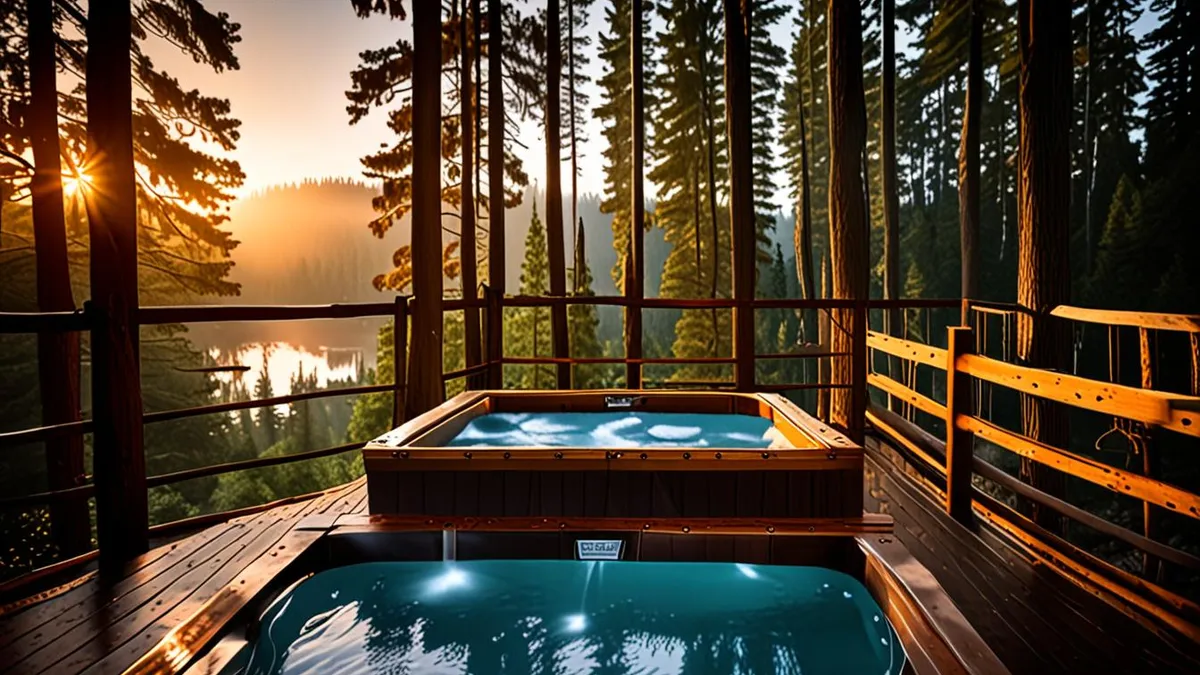
A hot tub is the biggest-ticket glamping extra, and it’s also the most seasonal. On a winter break, cold evenings turn a warm soak into the highlight of the stay rather than a nice-to-have — stepping out of a steaming tub into frosty air, towel in hand, is the kind of memory that justifies the fee. On a summer trip, by contrast, many guests barely use the tub at all, so think honestly about how many soaks you’ll realistically fit in before paying for one.
Wood-fired vs electric
Wood-fired tubs are priced per stay rather than per night, but they need 2–3 hours to reach temperature, so check whether staff fire them for you before arrival or whether you’re lighting it yourself each evening. That heat-up window matters more than it sounds: on a two-night trip you might only manage two proper soaks, while on a week-long rural break the ritual of stoking the fire becomes part of the charm and the flat per-stay price starts to look generous.
Private electric tubs, which typically add £30–£100 per night, are always hot and ready, making them the better match for short trips where you don’t want to sacrifice your first evening to waiting for water to warm. They suit weekenders who want to arrive, unpack and get straight in.
Placement matters as much as the type. A tub on your own private deck beside the cabin feels completely different from a shared one across a field, where you may need to book a slot and walk back cold and damp afterwards. Ask the site exactly where the tub sits and whether it’s exclusively yours before you book. Our comparison of yurts, domes and cabins explains how different accommodation types handle extras like tubs and decking, and it’s worth reading before choosing your unit.
Saunas: A Niche Upgrade That Shines in Cold-Weather Trips
A sauna is the most niche of the glamping extras, and that is exactly why you should think twice before paying for one. Sessions typically add £20–£60 each, or £50–£150 per week when built into premium units, so the fee only pays off if you will genuinely use it several times during your stay. That almost always means autumn and winter breaks, when stepping from freezing air into rolling heat feels like the highlight of the day rather than an afterthought.
Saunas shine brightest when there is a cold-water element to pair them with. If a site offers a cold plunge, a lake for wild swimming or even just a brisk riverside spot nearby, the hot-cold cycle turns a simple session into a proper ritual. It is the same appeal you find on a Swiss winter mountain escape, where the contrast between snow and steam is the whole point.
Where saunas make sense
Look for saunas at Nordic-style cabins, geodesic dome sites and lakeside retreats, where the setting genuinely complements the experience. A sauna tacked onto a summer safari tent rarely earns its keep — in the height of summer you will realistically use it once, or not at all, and the add-on fee becomes dead money. Save it for a crisp January weekend instead, and check the practical details before booking: whether towels and robes are provided, how far the sauna is from your unit, and whether it is private or shared with other guests on site.
Matching Extras to Season and Trip Length
The right extra depends far more on your trip length and the season than on the brochure photo. A wood-fired hot tub that looks dreamy in a listing can quietly eat half of a short break, because the long heat-up window has to fit around arrival, dinner and checkout. On a two-night stay that can leave you with a single usable soak, which may not justify the add-on fee at all. Match each extra to the reality of your itinerary, not the fantasy version of it.
Season matters just as much as trip length. Heat-based extras earn their keep when evenings are cold and dark, while in the height of summer you may barely touch them — money that would be better spent on a site with better shade, more privacy or a standout location. And because tub-equipped units are limited in number, they sell out fast even for dates when you would not use the tub, so planning ahead still applies.
- Short 1–2 night trips: stick to a fire pit. It works from the first evening with no waiting around, and it doubles as a cooking and social spot.
- October–March stays: prioritize the hot tub and sauna. Cold evenings and short days mean you will realistically use both daily, giving you the most comfort per pound of any add-on.
- Summer trips: put your budget toward shaded decks, private pitches and scenic locations instead of heat-based extras you will ignore in warm weather.
- Peak-demand dates: book hot tub and sauna units 3–6 months ahead for summer weekends and school holidays, when the small number of tub-equipped units gets snapped up quickly.
How to Spot Good Value Before You Book
Before you book, do the maths on the whole stay rather than the headline nightly rate. A unit advertised at an attractive nightly rate can quickly climb once you add a private electric tub, a log package and a cleaning fee — and it can end up undercutting a pricier “all-in” lodge nearby that bundles the tub in whether you want it or not. Compare like for like, and the better deal is not always the one advertising the tub loudest.
Study the photos and the fine print
Zoom in on the listing photos and find where the tub or sauna actually sits. A private tub on your own deck, steps from the door, is a completely different experience from a shared facility 50 meters down a gravel path in the rain — and both get photographed from flattering angles. Remember that shared facilities typically cost 30–50% less than private in-unit versions, so the price gap should reflect a real difference in privacy.
Then dig into reviews with specific questions in mind. Search for mentions of whether fire pit wood is genuinely included or sold as a separate one-off log package, whether the tub is cleaned between guests, and whether sauna towels are provided. Reviewers are blunt about “included” extras that turn out to cost extra.
Finally, confirm the cancellation terms for weather-sensitive add-ons. Some sites charge for unused log packages or non-refundable tub slots, which stings if a storm wrecks your plans. A quick message to the host before booking can save you the entire cost of the extra.
The Bottom Line on Glamping Extras
Glamping add-ons can feel like a gamble when listings charge anywhere from £20 to £100+ per night for extras, but the choice gets much simpler once you match each extra to your season and trip length. Fire pits are the safest bet for most UK trips, staying practical from roughly March through November. Hot tubs and saunas, on the other hand, pay off mainly between October and March, when cold evenings make the warmth genuinely worth the fee.
Sharing facilities saves 30–50% compared with private in-unit versions, and booking 3–6 months ahead secures the winter tubs before they sell out. The core idea is simple: match each extra to your trip length and season so the add-on fee actually gets used rather than wasted. If an upgrade fits your trip, it will earn its place in your budget. Have a glamping extra that was worth every penny? Share your experience in the comments or pass this article along to a fellow traveler.