Choosing between a river lodge vs coastal lodge in Alaska is one of the toughest booking decisions anglers and wilderness travelers face. Both promise world-class fishing, remote scenery and all-inclusive comfort, but they deliver very different weeks on the water. Inland lodges trade ocean views for quiet rivers and trout, while coastal properties add whales, glaciers and saltwater action at a higher price.
This guide breaks down what each lodge style offers, what you can expect to pay and when to book, plus the seasonal patterns that affect your target species. We also cover the logistics of reaching remote properties by floatplane or boat, and finish with a simple framework for matching the right lodge to your budget, activities and travel style. By the end, you should know exactly which setting fits your ideal Alaska trip.
What a River Lodge in Alaska Offers
Alaska’s river lodges sit on inland waterways that are famous for producing all five species of Pacific salmon, along with rainbow trout and Arctic grayling. These are the waters that fly anglers dream about: clear currents, gravel bars and steady runs of fish moving through throughout the summer season. If your goal is a mouse pattern skated over a trout seam or a fresh salmon taking a stripped streamer, this is the setting built for it.
How the fishing days work
The core activities here are wading and drift-boat fishing, with guided daily outings arranged directly from the lodge. You typically head out after breakfast with a guide, move between productive runs by boat or on foot, and return for dinner and a plan for the next day. Because the water is close by, you spend your hours fishing rather than traveling, which makes the most of short weather windows.
The setting and wildlife
The landscape around a river lodge is a mix of forest, tundra and mountains, and it suits travelers who want genuine quiet. Wildlife sightings along the banks are a real part of the experience, with moose and bears regularly working the same water you fish. If your ideal Alaska week involves solitude, moving water and the sound of the river at night rather than boat traffic on open sea, an inland lodge is likely your match.
What a Coastal Lodge in Alaska Offers
Coastal lodges occupy a completely different corner of Alaska. They sit on bays, fjords or islands, with direct access to halibut, salmon and saltwater charters that put you on productive ocean grounds within a short boat ride. The fishing is powerful and varied: heavy halibut from the bottom, salmon on the surface, and rockfish and other saltwater species filling out the day.
More than just fishing
The real difference shows up on the ride between spots. Boat-based days add whale watching, sea otters, puffins and glacier views that river settings simply cannot match. You might pull a halibut up in the morning and watch humpbacks feed in the same bay that afternoon. For travelers who want marine wildlife woven into every day, this environment delivers in a way an inland river never can. If fjord scenery appeals to you, it is worth seeing how it looks elsewhere too, such as staying beside fjords at a glass-fronted lodge in Norway.
What the maritime weather means for you
Coastal weather is more demanding than inland conditions. Expect cooler summers, more wind and rain, and sea conditions that can change quickly. Good lodges plan around this with flexible daily schedules and seaworthy boats, but you should pack proper rain gear and layers, and be prepared for the occasional day when the ocean decides the itinerary. For many guests, that raw, dynamic coastal atmosphere is part of the appeal rather than a drawback.
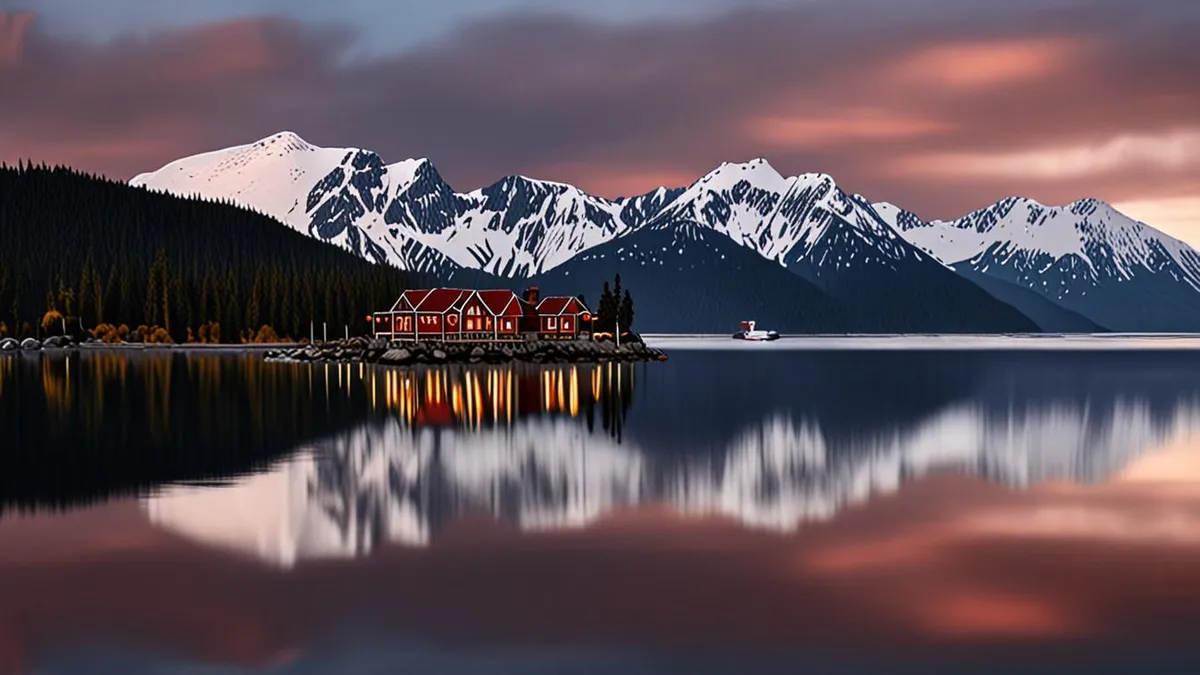
River Lodge vs Coastal Lodge: Costs and Booking Windows
Price is one of the clearest differences between the two lodge styles. River lodge all-inclusive packages typically run $3,500 to $7,000 per person per week, covering lodging, meals and guided fishing. Coastal fishing lodges typically run $4,000 to $8,000 per person per week, with the higher range driven largely by boat fuel and charter costs that come with running saltwater operations. Neither figure is the whole story, though, because what sits inside that package varies widely from one lodge to the next.
Timing matters as much as location when it comes to your budget. Prime summer weeks are the most sought-after and the most expensive, while the edges of the season offer meaningful savings. Keep these booking realities in mind:
- Book 9 to 12 months ahead for June to August. These prime weeks fill first, especially at smaller lodges with limited rooms and a limited number of boats and guides. If you have a specific week in mind, put down a deposit early rather than waiting.
- May and September departures can save roughly 20 to 30 percent. Shoulder-month discounts are the single biggest lever for reducing the cost of the same lodge, and some lodges offer shorter stays outside peak weeks as well.
- Shoulder months trade savings for conditions. Lower rates often come with more variable weather and shifting fish patterns, so ask the lodge what to realistically expect before you commit.
- Confirm exactly what the package includes. Gear, licenses, gratuities, alcohol and floatplane transfers are handled differently from lodge to lodge, and these extras can shift the true total by hundreds of dollars.
Before paying a deposit, get a written breakdown of what is included and ask about the lodge’s cancellation and weather-delay policies. Remote Alaska trips involve flights that can be disrupted by fog, wind or low clouds, so flexible terms are worth as much as a good rate. Ask whether deposits are refundable, how far out you can reschedule without penalty, and whether travel insurance is recommended. A lodge that answers these questions clearly and in writing is usually one that runs a well-organized operation overall.
Best Seasons for Each Lodge Type
Timing is everything in Alaska, and the right season depends on which lodge style you pick. River lodges align with the salmon runs, which move through major rivers from June through early September. July is often the peak month when multiple salmon species overlap, giving anglers the best chance at variety in a single week.
Coastal season windows
Coastal lodges operate on a slightly different calendar. Their season typically runs from May through September, with June through August the busiest stretch. This is when halibut and other saltwater fishing peak, and it also lines up with the best odds for whale sightings and calm enough seas to enjoy long days on the water.
September deserves a special mention for river travelers. Crowds thin out after the summer rush, and the banks turn gold and red with fall colors, making it a favorite month for photographers as well as anglers. The trade-off on the coast is that shoulder-season trips risk rougher seas and more weather-related cancellations, so build some flexibility into your plans if you book late in the season.
Getting There: Access and Logistics
Getting to a remote Alaska lodge is part of the adventure, but it pays to understand the logistics before you pack. Most lodges are reached by floatplane or small charter flight, typically 30 to 90 minutes from hub towns like Anchorage or Juneau. These flights are usually included or arranged by the lodge, but confirm the details when you book.
Packing for a floatplane
River lodges often require floatplane landings on gravel bars or lakes, which means strict luggage rules apply. Soft-sided duffel bags are the norm, and weight limits are real, so leave hard-shell suitcases at home. Pack fishing gear and clothing in compressible bags, and ask your lodge for its exact weight allowance before you fly.
Coastal lodges can be easier on this front. Many are reachable by boat transfer from a road-connected town, which means you can drive to the departure point with as much luggage as you like. Boat transfers also give you a backup when weather grounds floatplanes, though sea conditions can cause their own delays. Either way, plan to arrive at your hub city a day early, because Alaska weather regularly reshuffles flight schedules.
How to Choose Between a River Lodge and a Coastal Lodge
The easiest way to decide is to ask yourself what you actually want from your week. If fly fishing, wading a gravel bar and quiet inland scenery top your list, a river lodge is the natural fit. If you dream of whales surfacing beside the boat, glacier views and a mix of halibut and salmon in the same day, a coastal lodge will suit you better. Neither option is better across the board; they simply deliver two very different versions of an Alaska fishing trip, and the right one depends on how you picture your ideal day on the water.
Once you know your style, match the season to your target species and read the fine print on what each package actually includes. Lodge websites tend to highlight the best-case version of a week, so it pays to ask direct questions before you put down a deposit. A few things worth confirming:
- Guided fishing: ask whether daily outings are guided one-on-one, shared with other guests, or self-guided, since this changes both the experience and the effective value of the package.
- Gear and licenses: some lodges provide rods, tackle and waders at no extra cost, while others expect you to bring your own, and you will need a valid Alaska fishing license either way.
- Transfers: check whether floatplane or boat transfers from the hub city are included in the rate or billed separately, because remote transport can add meaningfully to the total.
- Weather flexibility: ask what happens if flights or boat days are canceled, so you know whether the lodge rebooks, refunds or simply adds activities on site.
Getting these details in writing makes comparing lodges much easier, since two packages with similar headline prices can include very different things. A short email exchange before booking also gives you a feel for how responsive the lodge is, which matters when you are planning a trip that depends on small aircraft and changing conditions.
The Bottom Line on Alaska’s Two Lodge Styles
So which lodge should you book? If quiet rivers, salmon and trout fishing, and forest-and-mountain scenery appeal to you, a river lodge fits, with all-inclusive packages commonly running $3,500 to $7,000 per person per week. If you want whales, glaciers and saltwater variety alongside your fishing, a coastal lodge is the better match, typically $4,000 to $8,000 per person per week.
Both styles peak in summer and both require booking 9 to 12 months ahead, though shoulder months like May and September can cut rates by roughly 20 to 30 percent. In the end, the decision comes down to river solitude versus ocean scenery. If you’ve stayed at either type, leave a comment with your experience or share this article with a friend planning an Alaska trip.